

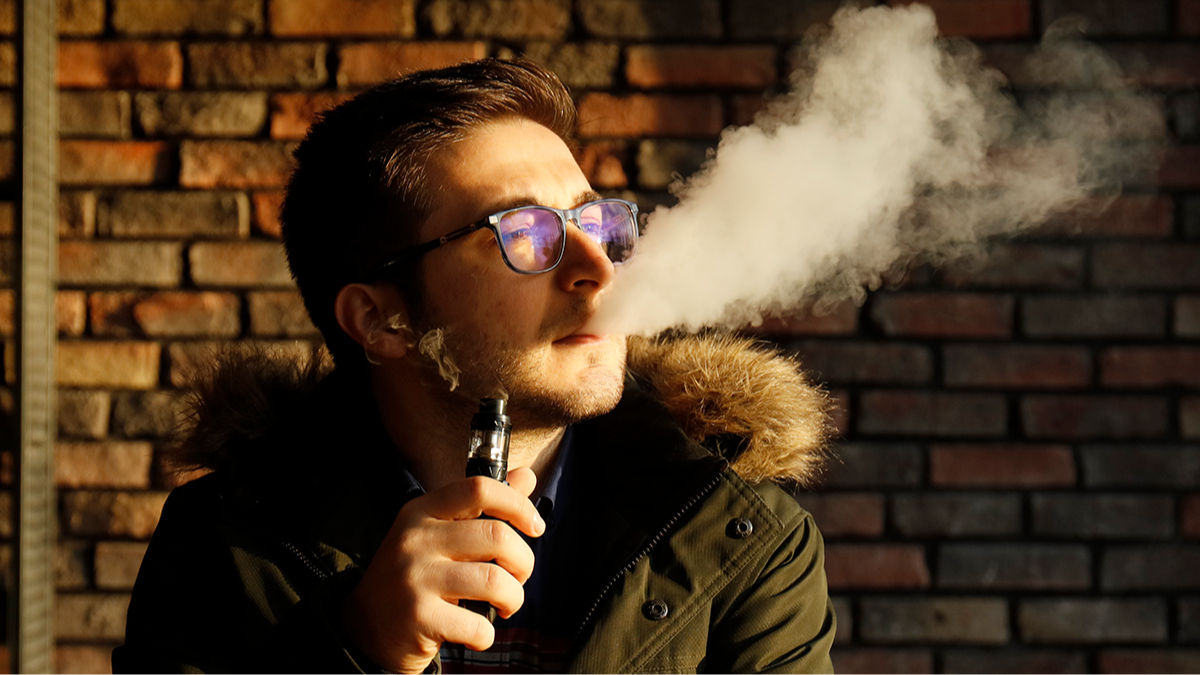
Non-cigarette nicotine options — especially vaping — have surged in popularity over the past few years, with as many as one in five young Americans saying they at least occasionally opt for fruity vapor instead of traditional cigarettes.
But as researchers continue to clarify the risks and potential benefits, and with ongoing concern about conditions such as ‘popcorn lung’, a growing number of countries have introduced strict limits on these alternatives.
As a result, devices that many people now use as routinely as previous generations used cigarettes can cause major problems when you travel — particularly if you bring them into a country with tough enforcement.
Travellers should always verify the latest local rules and penalties before flying, but there are 10 destinations where it may be wise to reconsider packing a vape at all.

In Japan, vaping can quickly become complicated. The country bans the sale of vape liquids containing any nicotine.
Visitors are allowed to bring up to 120ml for personal use, but that doesn’t mean you can vape freely. Using e-cigarettes in public is tightly controlled and generally limited to designated smoking areas — and breaking local rules can result in a 1000 yen ($6) fine.
In Turkey, the safest approach is often to keep your vape tucked away. The sale and import of nicotine e-cigarettes and nicotine e-liquids are prohibited.
Vapers are largely regulated the same way as smokers, meaning use is restricted in public places and on public transport, with consumption generally limited to specific designated areas.
That said, travellers may bring up to 10 disposable vapes, or one refillable device plus 30ml of e-liquid.
Mexico’s vaping rules differ sharply from those in the US — and they can shift over time. New anti-vaping measures took effect in Mexico as recently as January, 2026.
Under these rules, the import and sale of vapes and related products are banned nationwide. Customs officers have also been directed to search travellers’ bags, and carrying multiple devices may be treated as ‘intent to distribute’.
With vaping prohibited in all public spaces, visitors may be better off leaving devices at home to avoid a potentially long customs stop that could end with fines of up to $12,500.
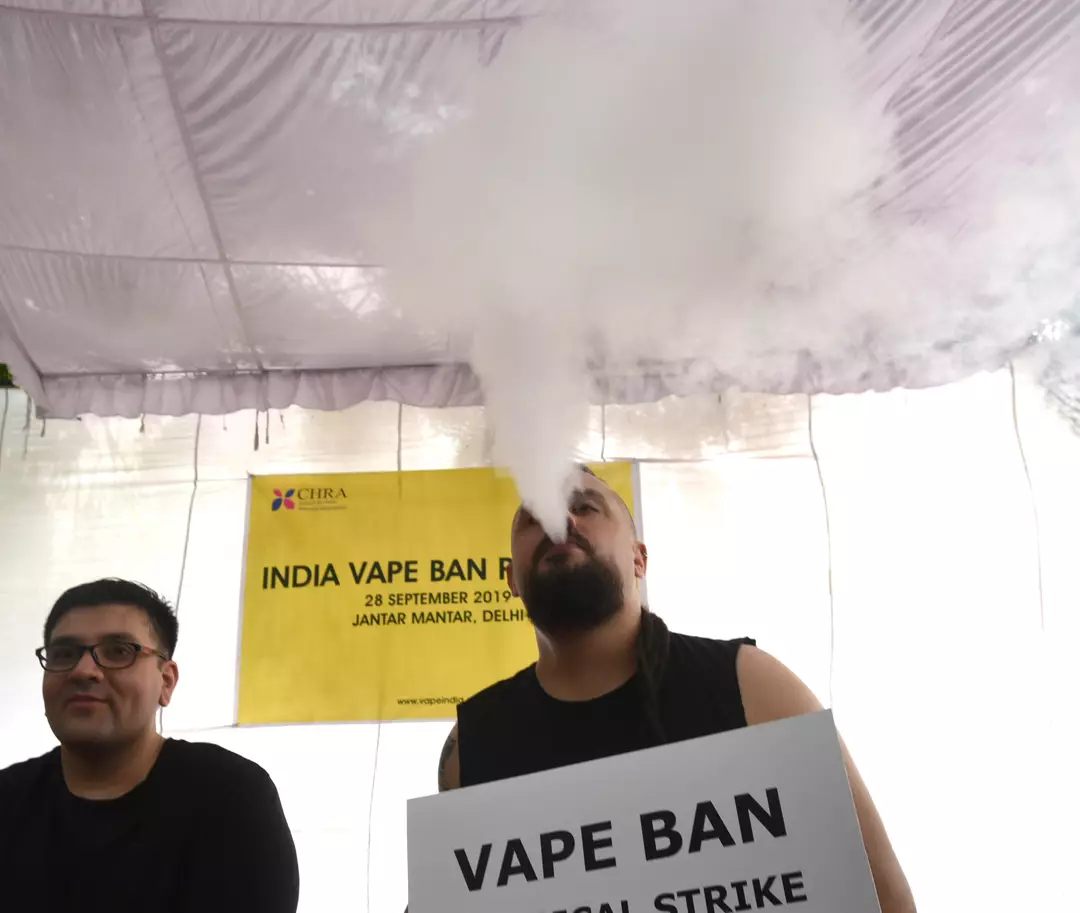
Anyone travelling to India should review the country’s strict approach to e-cigarettes before departure.
In India, penalties for importing or using a vape can include fines up to $6000 and even up to a year in prison, whether the product contains nicotine or not. Heated tobacco products are also covered.
Given the reported zero-tolerance stance, travellers are strongly advised not to bring vapes with them.
Singapore is another place where bringing a vape can lead to serious trouble, as the city-state maintains some of the toughest rules in the region.
It is illegal to possess or use a vape in Singapore, and devices found in luggage can be confiscated on arrival.
First-time cases may result in fines, while repeat offences have led to jail time in some instances — and there have also been cases involving deportation and bans for vaping-related violations.
Thailand also enforces strict laws in areas tourists might not expect. While many visitors focus on narcotics rules, vaping can carry severe consequences too — including the possibility of up to 10 years in a Thai prison.
Vaping is completely illegal in Thailand. Selling, possessing, or bringing a vape into the country can put travellers at risk, so the simplest option is to not pack one.
Australia may have a relaxed reputation, but it takes nicotine regulation seriously — including when it comes to vapes.
Since 2024, vapes in Australia have been classified as a therapeutic product and recreational use has been banned. Purchases generally require going through a pharmacy and having a valid prescription.
That legal shift also means visitors cannot bring vapes into the country unless they have a valid Australian prescription.
Hong Kong has similarly tough consequences for vape-related violations. Importing or selling vapes can lead to major penalties, including prison terms of up to seven years.
From April of this year, possessing or using a vape in public — including public areas and even privately owned cars — is illegal and may trigger significant fines. Separately, vaping outside designated smoking areas is already prohibited, with fines close to $400 for those caught.
Compared with the places above, Denmark does not ban the public sale or use of vape products. However, flavour options are heavily restricted, so travellers expecting a favorite sweet blend may be disappointed.
To reduce the appeal of vaping to new users, Denmark only allows menthol or tobacco e-liquids for purchase.
And in the UAE, you can generally bring a vape with you, even though there are rules about where you can use it.
The main limitations focus on restricting vaping in places like shopping malls and on public transport. Another key requirement is nicotine strength: e-liquids are capped at a maximum of 20mg of nicotine.