

The Olympic Games have long been a symbol of athletic excellence, with a medal from any of the 55 winter or summer games representing an athlete’s mastery of their sport.
The Olympics, however, were not always as refined as they are today. When the games were revived in 1896, after being absent for about 1500 years, the standards for what constituted a sport or a competitor were much looser.
Many of the early Olympics, as well as some later ones, included sports that seem quite bizarre today. Two of these sports even involved shooting at living beings, including humans.
While it’s probably beneficial that ‘dueling with pistols’ is no longer an Olympic sport, some of these unconventional events were so outlandish that they might just be worth reviving for the entertainment of viewers.
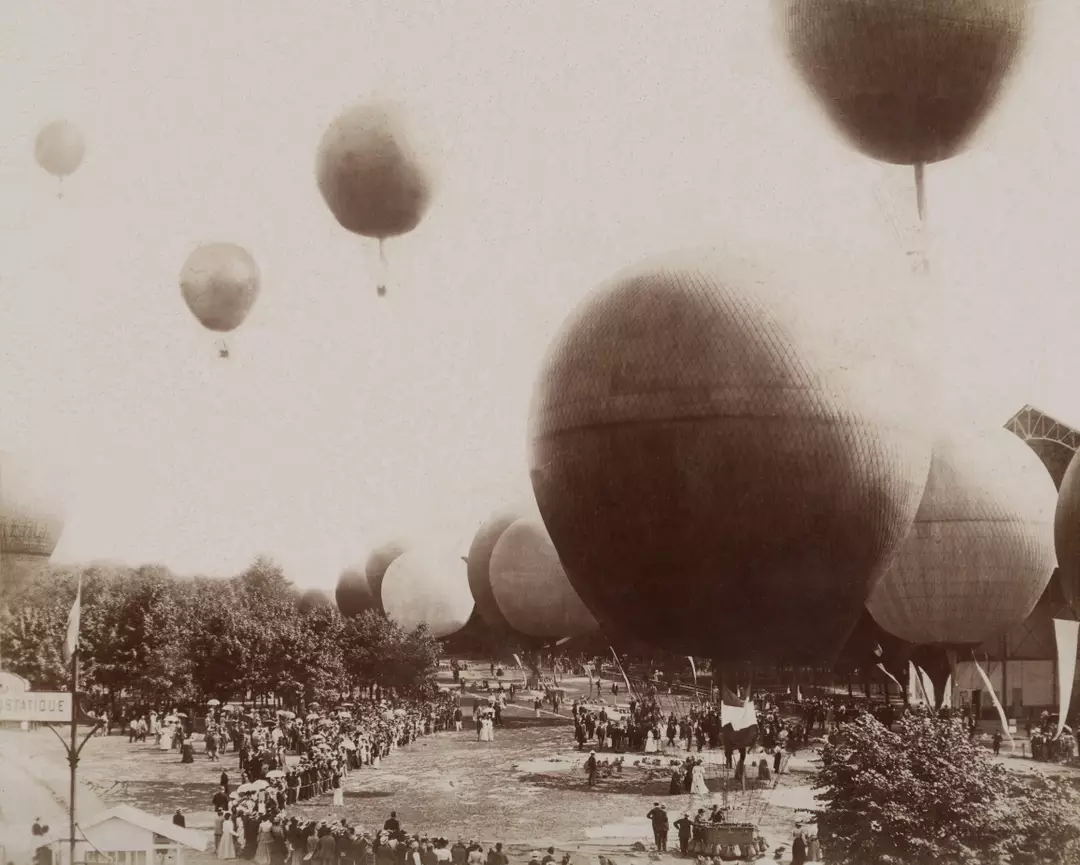
At the dawn of the 20th century, hot air ballooning was immensely popular, as humanity was just beginning to explore the skies. Consequently, at the 1900 Olympics in Paris, individuals competed in hot air balloon races.
These participants, whether athletes or pilots, competed to see who could fly their balloon the fastest, reach the highest altitude, and even capture the best aerial photograph.
Although no longer part of the Olympics, the sight of numerous balloons contesting the skies over France must have been quite a spectacle.
The International Olympic Committee (IOC) should be urged to bring back such events as standalone sports. Imagine a scenario where Michael Phelps tackles a series of Wipeout-style obstacles while maintaining a flawless butterfly stroke.
Unfortunately, this intriguing event was featured only at the 1900 Olympics, where, as you’ll see in this list, practically anything could qualify as a sport if there was enough interest.
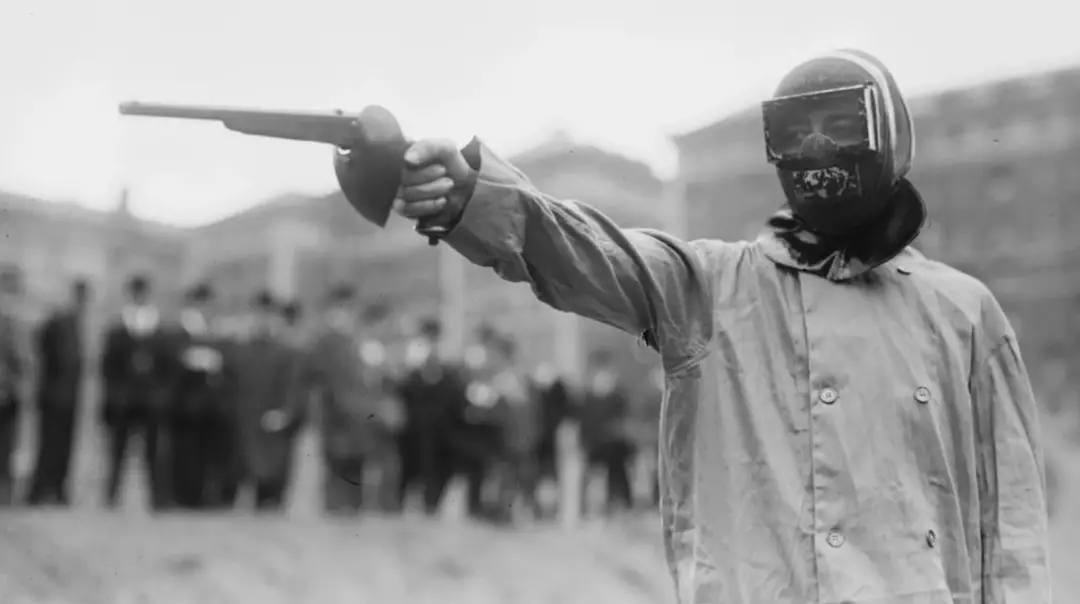
An event so odd that it’s almost admirable. Although dueling with pistols did not involve lethal bullets, it’s easy to understand why this event wasn’t included in modern Olympics.
In 1908, competitors shot wax bullets at each other on the count of three. Despite wearing protective gear on their bodies, faces, and hands, this still seems too absurd for a prestigious sporting event.
The plunge for distance sounds fascinating but would be somewhat tedious to watch. As the name suggests, this event involved diving to see how deep one could plunge.
Essentially, spectators would watch someone dive for a brief moment and then wait up to a minute for them to resurface. This event was discontinued after its appearance at the 1904 St. Louis games.
Another part of the former Olympic schedule, which was even less of a spectator sport than the plunge for distance, was the artistic disciplines that were included from 1912 to 1948.
The inclusion of art was part of the original vision of the Olympic Movement’s founder, French baron Pierre de Frédy, during an era when the games spanned longer periods and occurred across entire countries.
This allowed for awards in areas such as architecture and sculpture. The only requirement was that these artworks had to celebrate sport in some way.
This is partly why the arts were eventually removed from the Olympics. Former IOC president Pierre de Coubertin remarked that the literary entries were particularly poor, as writers were “wholly unfamiliar with the joys of violent muscular effort,” which is a fair critique.
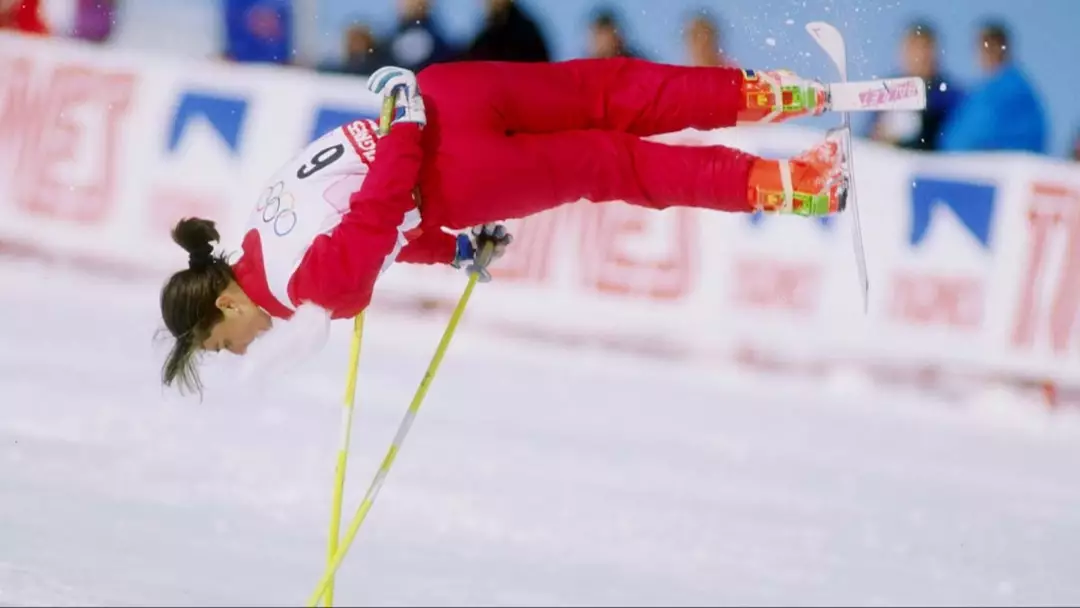
Another event that deserves a comeback at the Winter Olympics, judging by its name alone. With the Milan-Cortina games showcasing how drone cameras can change the way we view action on the slopes, seeing world-class skiers perform to dance music in high definition would be exciting.
This event nearly became an official Olympic sport, appearing in both the 1988 and 1992 winter games. However, despite gaining popularity, ski ballet was overshadowed by the rise of snowboarding.
The 1906 Greek ‘stone throw’ event, which is somewhat similar to a freestyle shot put, involved competitors throwing a heavy rock as far as possible using any technique they preferred.
The stone, which was about 2kg heavier than the modern male shot put ball, was only featured in the 1906 games, where Greek athletes won both gold and bronze, with American Martin Sheridan taking silver.
Surprisingly, some of the distances achieved at the 1906 Olympics would still be competitive in modern stone-throwing events. Gold medalist Nikolaos Georganta reached a distance of 19.9 meters.
This event is puzzling. When alone, who are you synchronizing with? However, solo synchronized swimming was indeed a part of the more contemporary Olympics.
While many associate synchronized swimming with teams of swimmers moving in perfect harmony to music, the solo event involved an individual following the rhythm of a song, which seems somewhat solitary.
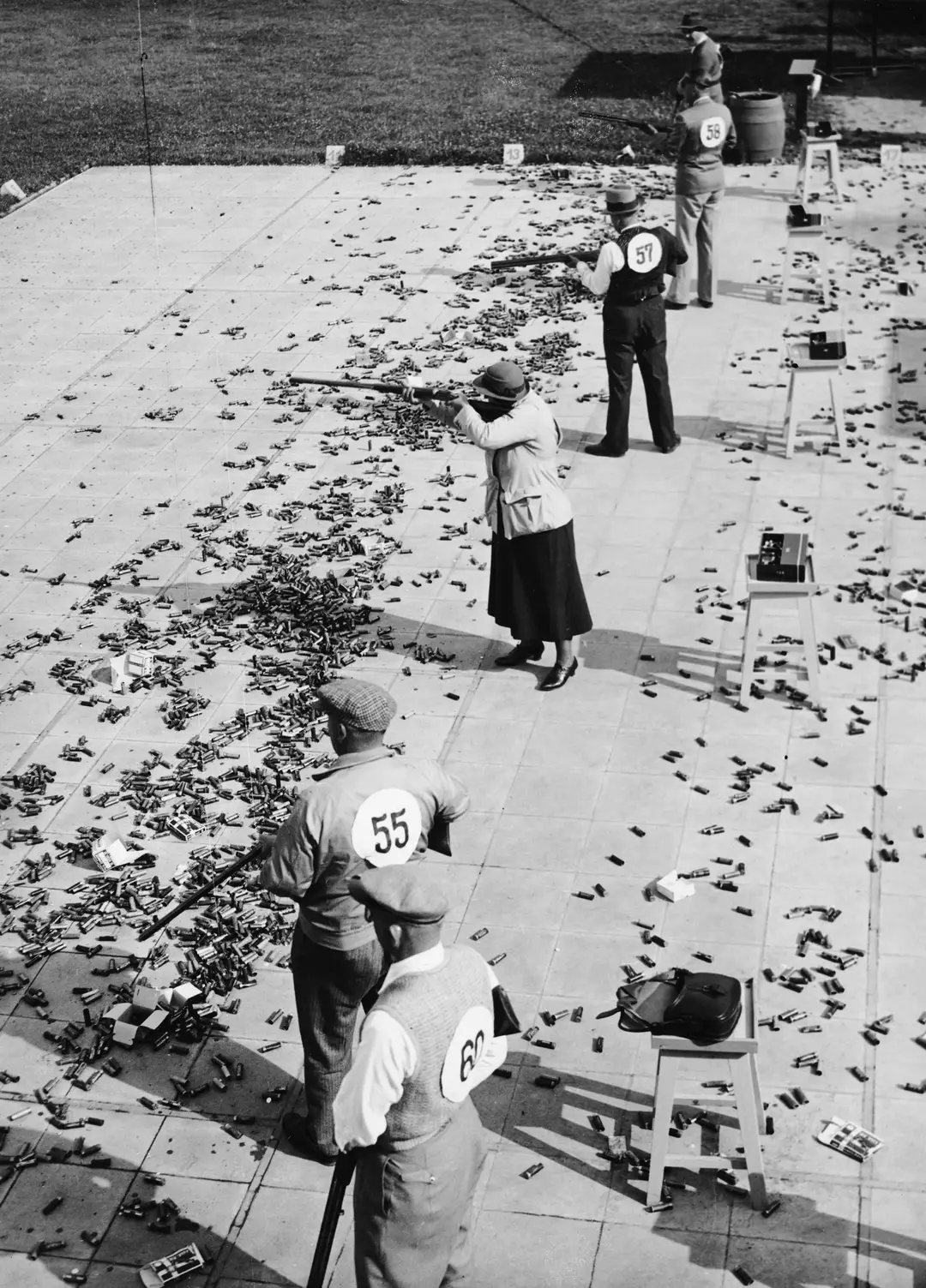
In stark contrast to the grace of synchronized swimming is pigeon shooting, which resembled more of a massacre than a sport. The objective was to kill as many pigeons as possible within a given timeframe.
Each competitor faced six birds released roughly 90 feet from the shooting area, with disqualification occurring after missing two pigeons.
This event, fortunately, only appeared at the 1900 Olympics and was discontinued for good reason. Approximately 300 pigeons were killed, leaving arenas littered with feathers, blood, and shotgun shells.
The absence of tug of war from the summer games is quite unfortunate. Having the strongest individuals from each country compete in a test of raw strength seems like an ideal Olympic sport.
However, tug of war was only part of five games from 1900 to 1920, mostly featuring European and some American countries. Before air travel, many competitors were unable to travel to games held on other continents, as crossing the Atlantic took 10 days by steamship.
Ultimately, the IOC decided to discontinue the event to reduce the number of participants, as countries would often enter multiple teams of eight strongmen to increase their chances of winning.