

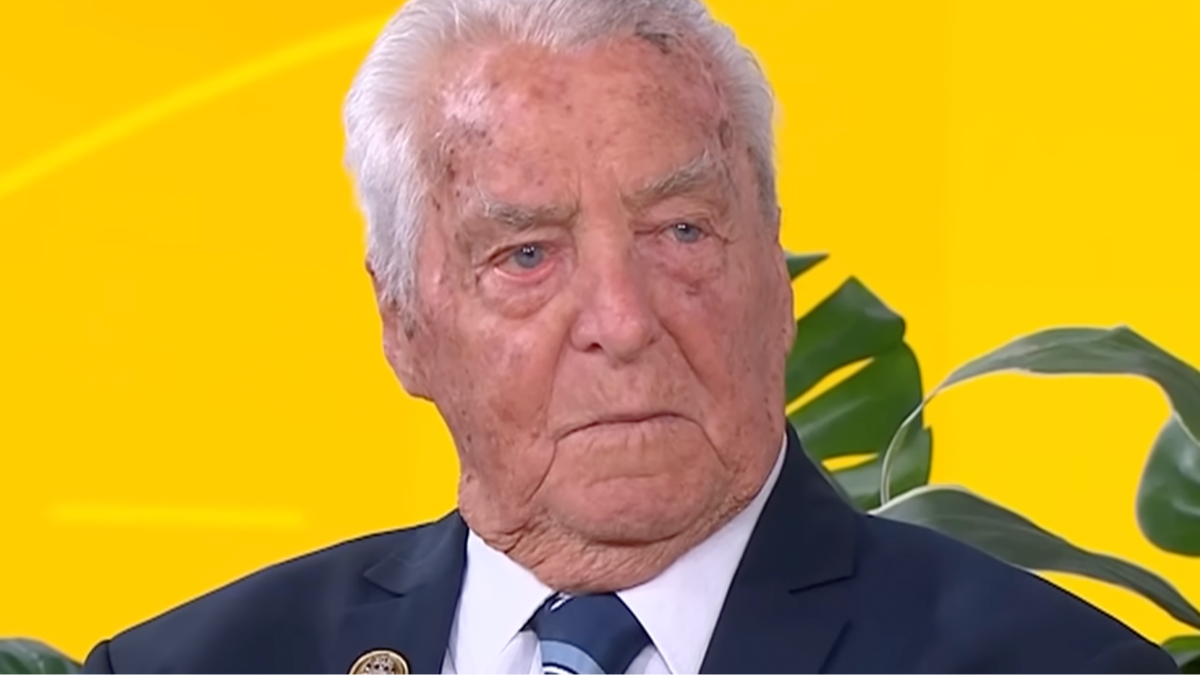
A 102-year-old man has opened up about what he believes has helped him reach triple digits, reflecting on a life that has stretched across more than a century.
Back in the 1920s, the typical life expectancy in the US sat around the mid-50s, making the prospect of living to 100 feel almost unimaginable for most families at the time.
In the decades since, that picture has shifted dramatically, with far more people now reaching the once-rare milestone of becoming a centenarian.
Figures compiled by the Office of National Statistics (ONS) show that in 2024, more than 16,000 people in the UK were aged 100 or older.
In Australia, longevity projections are also rising. ABC News reported that baby girls born in 2021 were said to have a 40 percent chance of reaching 100.
And it’s not only future generations who are beating the odds. Brian Barry marked his 102nd birthday on February 6, offering a living example of how long life can stretch.
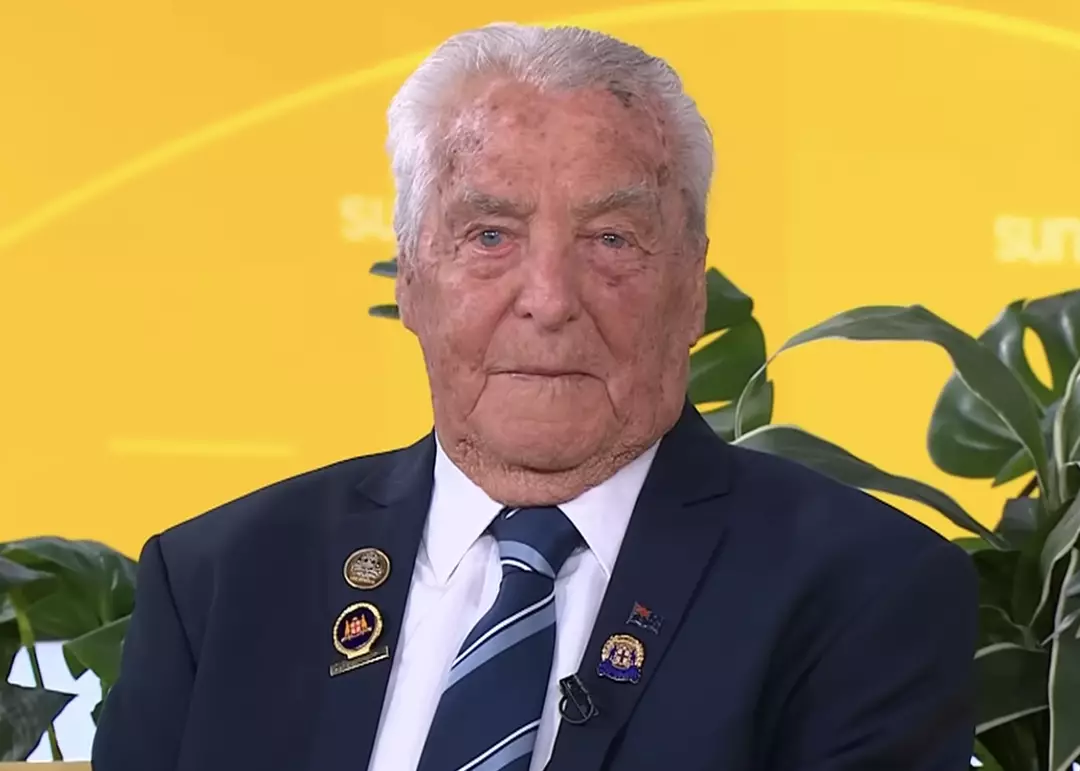
He’s been described as a “super ager,” a label often used for people who reach an advanced age while maintaining strong mental sharpness and overall function.
After celebrating his birthday, Brian appeared on Sunrise, where he was asked what he credits for his longevity. He said he avoids both drinking and smoking.
“When I was a boy, I never thought I’d live to 102,” he continued. “Does anyone ever think they’re going to live to 102?”
He also spoke about how much society has shifted over his lifetime, saying that things have transformed in ways he never expected.
Asked for his view on modern life, Brian said he was taken aback by what he sees today.
“Kids don’t respect you,” Brian shared. “I mean, my old man would twist my ear if I didn’t open the door for my mother or didn’t stand up for an old lady on the tram. You know, manners were manners.
“They were taught at home but today it’ s different.”

His clarity and memory have also caught the attention of researchers focused on dementia and healthy ageing, who say his day-to-day habits align with many brain-health recommendations.
According to news.com.au, aspects of Brian’s routine — including staying physically active, remaining socially connected, steering clear of smoking and heavy drinking, and maintaining a sense of purpose through helping others — are all factors that can support cognitive health over time.
Researchers from CHeBA (Centre for Healthy Brain Ageing) have also pointed to the role of mindset, suggesting that Brian’s outlook may be another key piece of the puzzle.
Speaking of what he thinks each day as he gets up, Brian shared: “You wake up every morning, I say to myself: Brian, you’re here another day. Thank the Lord.”