

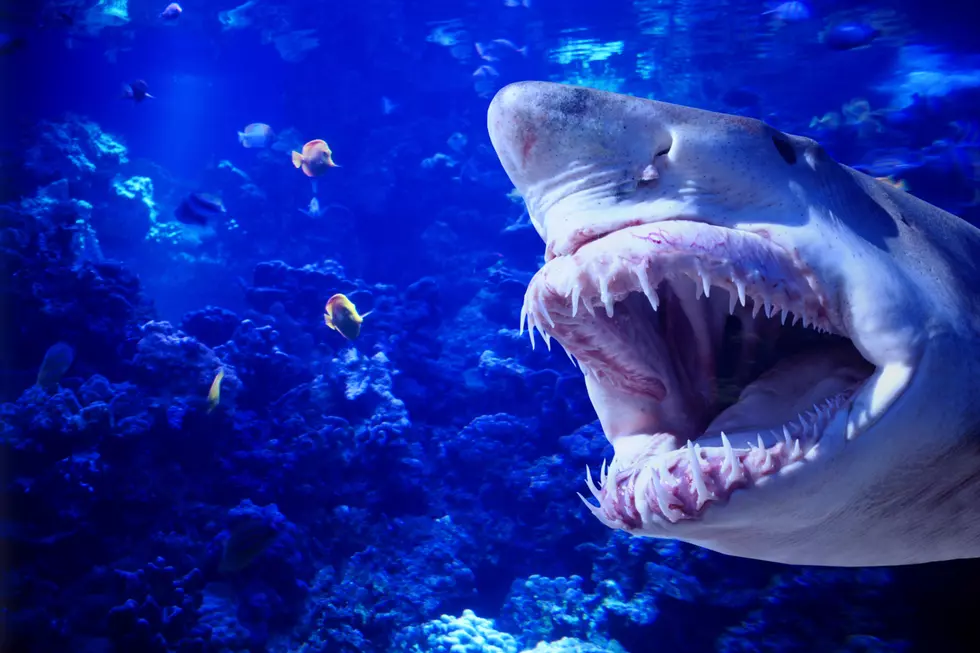
Discovery’s Shark Week 2026 kicks off July 26 with a 12-foot great white shark named Ernst spotted near Montauk this summer.
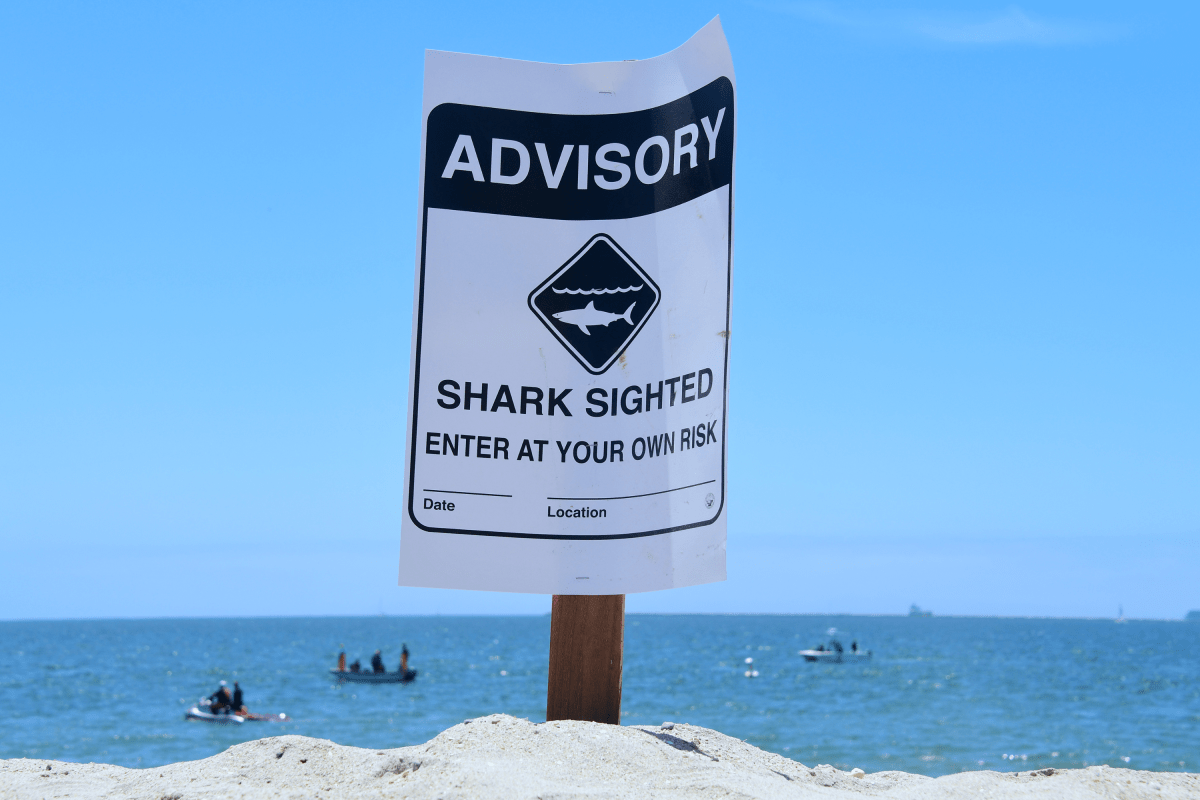
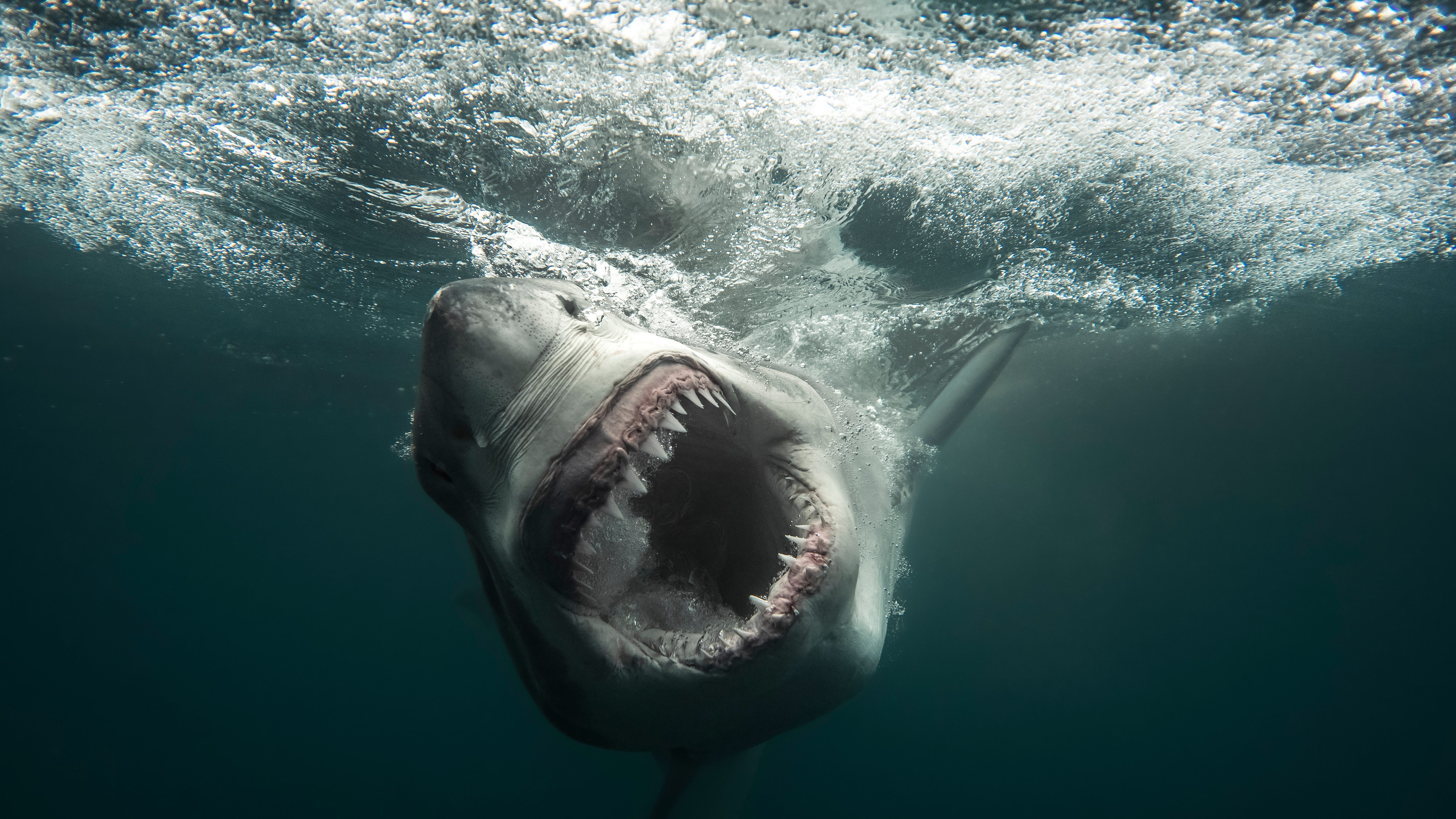
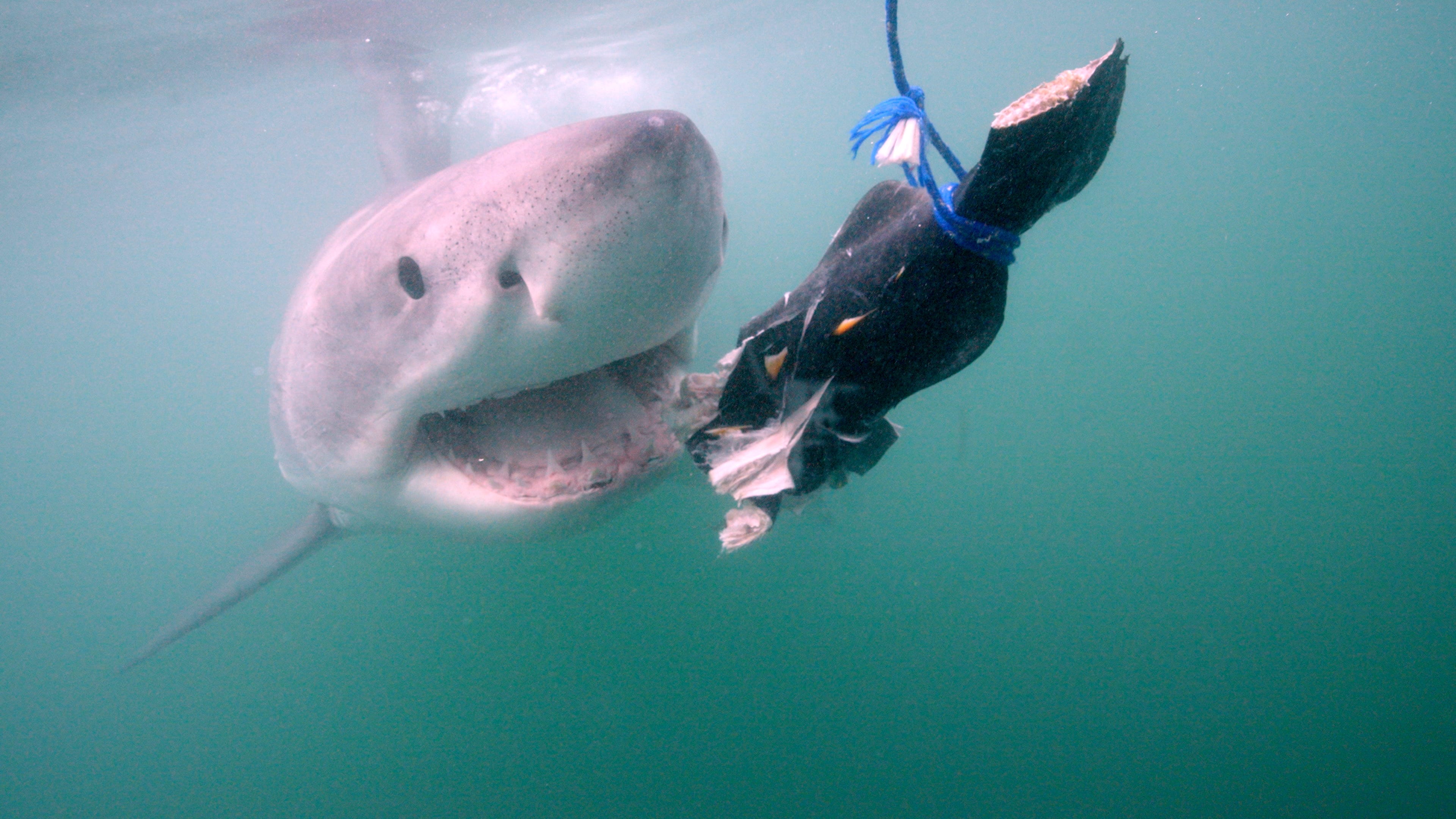
The 12-foot-long, 1,000-pound female great white was first detected off Montauk, New York, in June and has since continued north toward Atlantic Canadian waters, according to tracking data from marine research organization OCEARCH.
Another massive shark nicknamed Contender is making its way north along the East Coast.
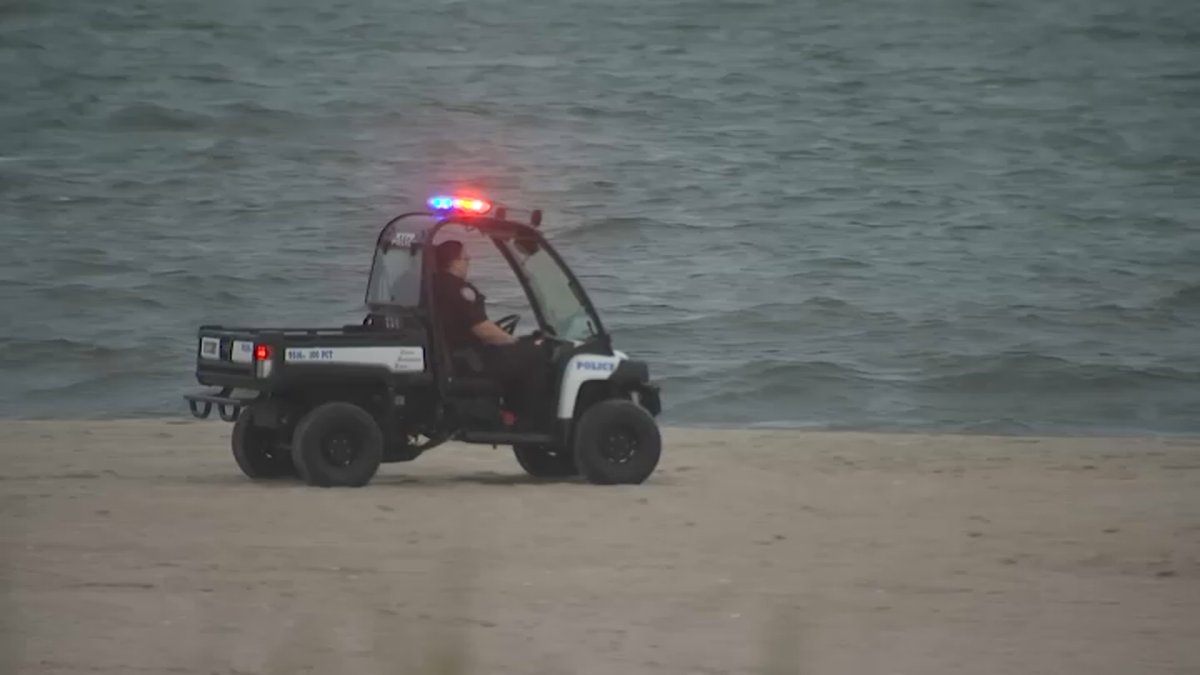
Several New York beaches have also increased drone patrols and temporarily closed swimming areas this summer because of shark sightings.
This year’s most locally urgent special, Sharkzilla Takes New York, airs July 31 at 9PM ET — and its central subject is not a fictional predator. Conservation biologist Dr. Craig O’Connell, a New York-based researcher who has spent more than a decade studying great white sharks and endangered mako sharks in the very waters off Long Island and the Hamptons, leads the investigation.
“After a slew of mauled marine life washes ashore in NY, Dr. Craig O’Connell starts a search to find the culprit. When it leads him to an old nuclear dumping ground ringed with great whites and makos, he theorizes that the predator may be radioactive.”
A deeper dive reveals an unexpected hotspot for massive makos off the coast of the Hamptons, suggesting that these waters may be hiding something even bigger beneath the surface.
The timing of the special reflects current conditions.
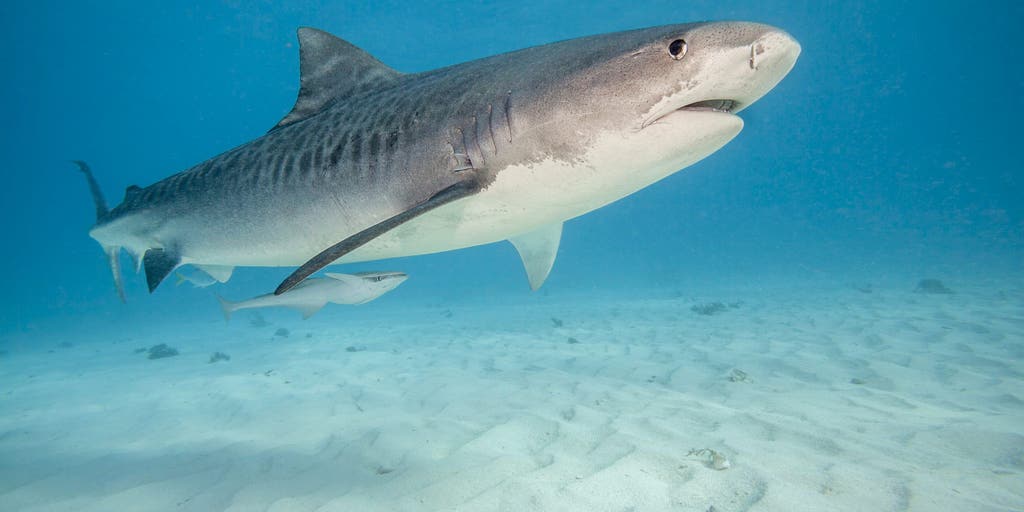
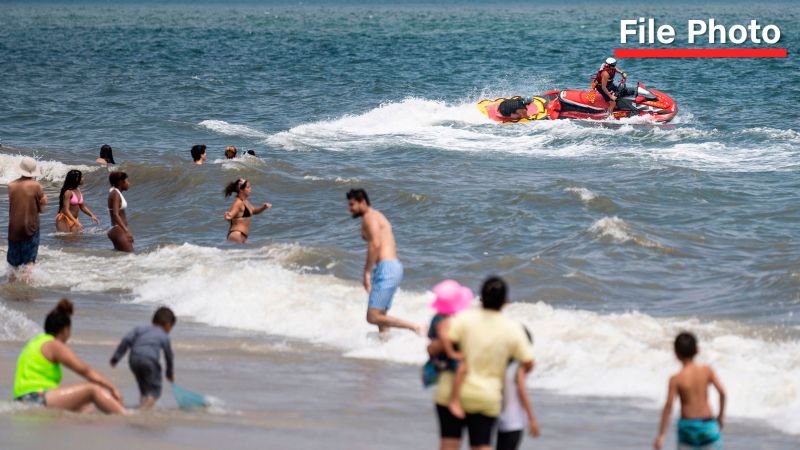
The timing is not a coincidence. Less than three weeks ago, a swimmer suffered a suspected shark attack at Jones Beach State Park Field 6 in Nassau County on July 3, sustaining non-life-threatening lacerations to his foot after multiple shark sightings had already prompted beach closures at Rockaway Beach in Queens a day earlier.
NBC New York reported that at Rockaway Beach in Queens there were 23 shark sightings between late May and early July 2026, including 16 sightings in just the first five days of July, which local officials described as a record for that time of year.
Dr. Craig O’Connell co-founded the O’Seas Conservation Foundation in New York with his wife Dr. Nicole O’Connell after earning his doctorate from the University of Massachusetts Dartmouth in 2013, specifically to study and track sharks off Long Island.
Known affectionately on social media as the Shark Doctor, O’Connell ceaselessly searches for ways to conserve marine wildlife and protect oceanic species from extinction, specifically sharks.
In addition to hosting or presenting episodes for the Smithsonian Channel and Discovery Channel’s Shark Week, he is the founder of the O’Seas Conservation Foundation, Inc. – a nonprofit organization focused on shark conservation research and youth education.
Why sharks are appearing closer to shore remains debated among experts.
New York has dramatically expanded its use of drones, patrol boats and aerial monitoring, allowing lifeguards to spot sharks that may have gone unnoticed in previous years.
Increased populations of bait fish such as Atlantic menhaden, sometimes called bunker fish, have attracted more marine predators closer to shore.
For scientists, the presence of sharks near New York’s coastline is not necessarily a sign of increased danger. Rather, it may reflect a recovering marine ecosystem with stronger fish populations and improved water quality.
Despite the recent incidents, experts emphasize that serious shark attacks remain rare. Worldwide, there are typically around 100 reported shark bites per year, and only a small fraction are fatal.
A shark bit a 16-year-old surfer near a Long Island beach on Wednesday, with the teen boy paddling about 20 yards off Kismet Beach on Fire Island around 5:45 p.m. When a shark bit him on his right foot.
While the teen suffered an approximate 4-inch laceration to his foot, police said he was able to walk out of the water on his own.
Police searched for the shark by helicopter, but the water was too murky to locate the sea creature. Suffolk County Marine Bureau officers were continuing to search for the shark via boat.
Last week, a shark bit a 41-year-old surfer on his left calf about 12 yards from shore at Smith Point County Park in Shirley, the same stretch of water where a lifeguard was bitten by a shark during a training exercise on July 3.
The 38th annual Shark Week will feature 20 “action-packed premieres” focused on shark conservation, education, and investigations.
Shark Week will return this Sunday, July 26, and will run through Saturday, Aug. 1, with the last special airing at 9 p.m. On Discovery Channel.
“Sharkzilla Takes New York” will air on Friday, July 31, at 9 p.m. On the Discovery Channel.