

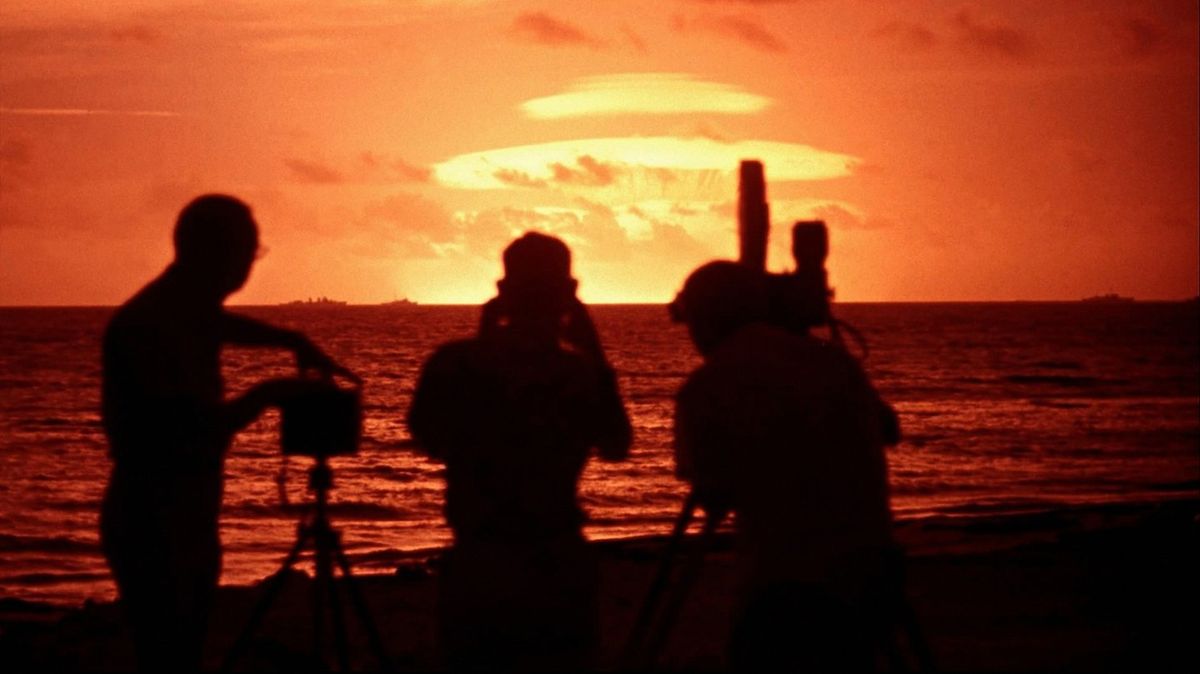
Nuclear weapons are instruments of terror, and the only times they have been used in war they were unleashed on civilians. More than 90 percent of the people killed in Hiroshima and Nagasaki were ordinary residents going about everyday life.
It’s difficult to argue a “practical” purpose for a device that can vaporize anything close to the detonation point, shatter and flatten structures across a wide radius, and deliver such intense radiation that survivors may suffer catastrophic burns and radiation sickness soon after.
Even so, research indicates that in a modern city struck by a nuclear weapon, potentially up to 100,000 people could live through it—if they make the right decisions in the first seconds and minutes after a fireball blooms and the mushroom cloud rises.
One of the biggest mistakes would be trying to escape by car. A vehicle won’t protect you from what follows, and traffic chaos can trap you in the open. Instead, there are straightforward actions that can meaningfully improve your chances if the worst happens.
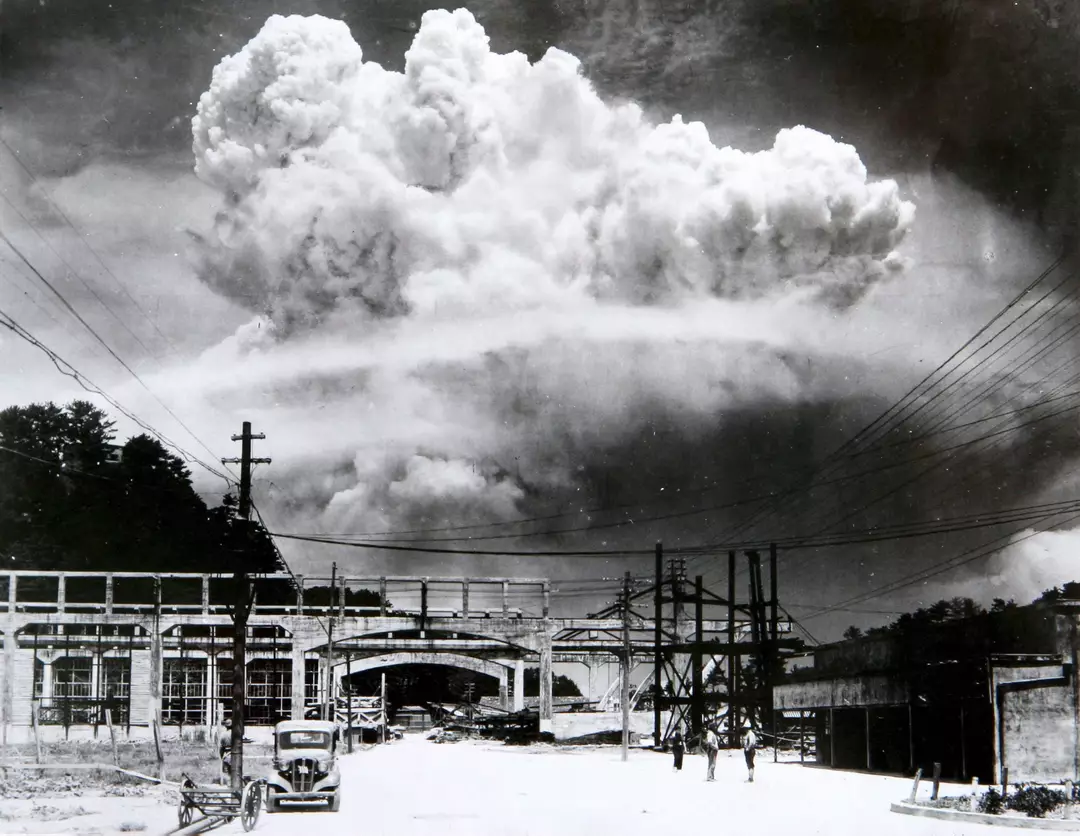
You may be witnessing an almost unimaginable level of destruction—but you must not stare at the flash.
Some people won’t be able to avoid it if they’re facing the blast when it detonates. The initial burst of light can be brighter than the sun and can cause immediate vision damage, including permanent blindness.
Within roughly 10 miles, looking directly at the detonation can injure the retina, and the thermal pulse can also cause severe burns within seconds.
The American Red Cross advises the following for anyone caught in a nuclear incident: “Do not look at the flash or fireball – it can blind you.Take cover behind anything that might offer protection.”
Vision loss isn’t just agonizing—it can also prevent you from moving, finding shelter, and taking the steps that keep you alive. Treat “don’t look” as a survival rule.
And don’t stand near windows. If you’re tempted to watch the mushroom cloud climb into the sky, move away immediately. The next event can turn glass into lethal shrapnel.
The blast wave follows the flash, and depending on how far you are from the detonation, it can arrive in as little as about 30 seconds. Nuclear shockwaves can break windows across a huge area—often cited as up to a 12-mile radius.
Researchers have long examined how these shockwaves affect buildings and the people in them.
Even if a structure isn’t destroyed by the immediate heat and blast, the pressure effects that follow can still collapse buildings within several miles, depending on the weapon’s size and the surrounding environment.
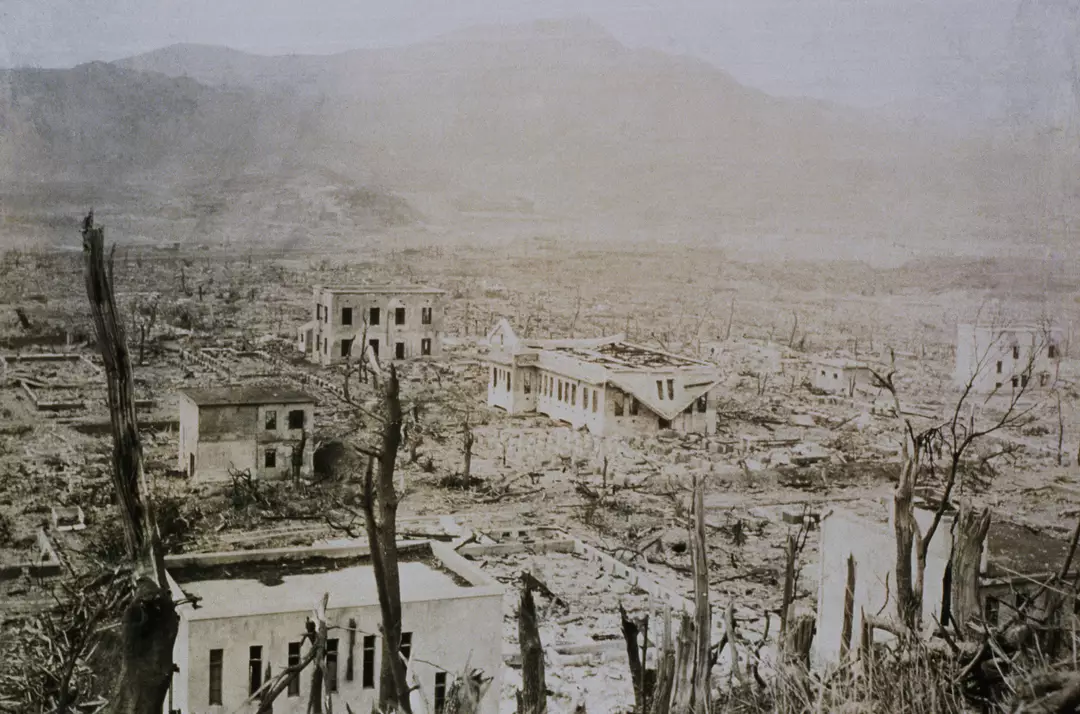
This is a rapidly moving pressure front that expands outward from the detonation. According to research compiled by the Centers for Disease Control, pressures around 20 pounds per square inch (psi) can demolish structures close to the blast.
This complicated effect, largely only occurring after a nuclear explosion, was explained by the Atomic Archive: “The air immediately behind the shock front is accelerated to high velocities and creates a powerful wind.
“These winds in turn create dynamic pressure against the objects facing the blast. Shock waves cause a virtually instantaneous jump in pressure at the shock front.
“The combination of the pressure jump (called the overpressure) and the dynamic pressure causes blast damage.”
As the wave expands, it weakens, but it can still be deadly. A 5 psi shockwave farther from the center may be much less intense than 20 psi, yet it can still collapse homes and injure or kill people caught outside or near flying debris.
The most dangerous phase happens quickly. The overpressure can spread about 12 miles in around 50 seconds—moving faster than the speed of sound.
With winds potentially reaching 163 mph and debris propelled through streets, the CDC warns that at these pressures, “injuries are universal” and fatalities are common.
That’s why you should not rush outside. Stay down and stay sheltered until the main pressure wave has passed. Two nuclear experts published by MIT have said this may last up to a minute, and other guidance notes that hallways, doorways, and windows are among the worst places to stand during the shockwave.
Your best immediate option is a basement or the most interior, lowest area of a large building. If you can’t reach that, get low in the corner of a room—ideally the side facing the blast—to reduce your exposure to debris and the most violent airflow.
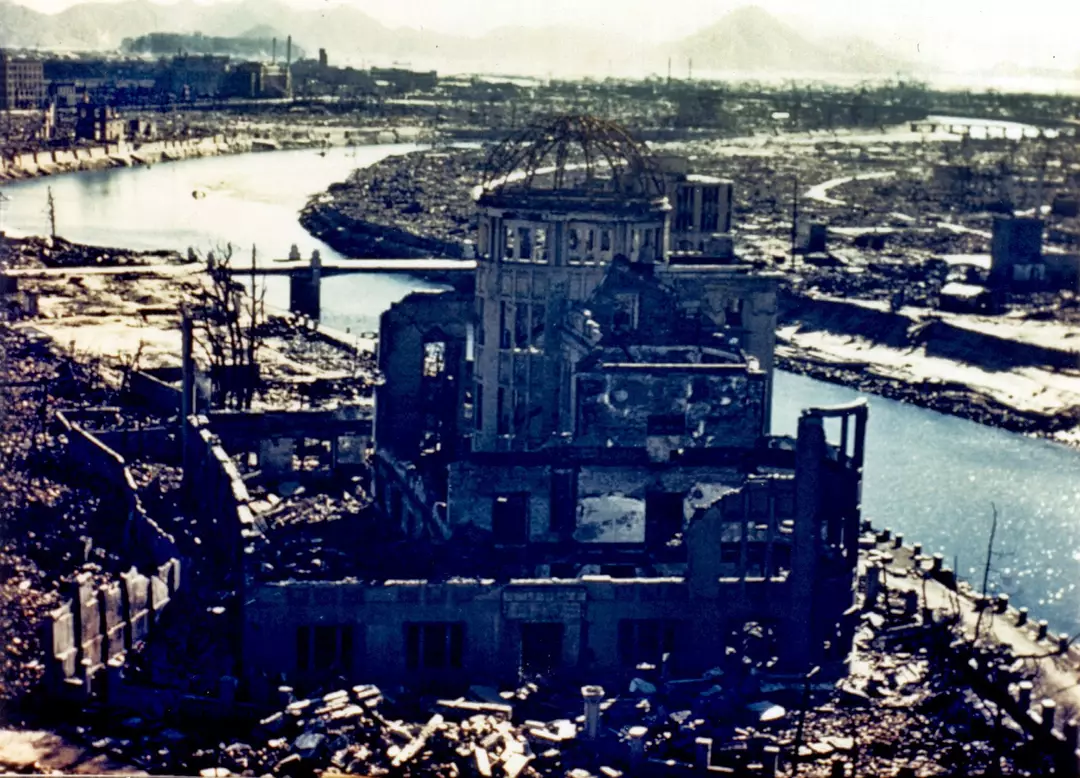
If you made it through the flash and the blast wave, you’ve survived the first and most violent moments. Unfortunately, the harder part may still be ahead.
You then have a short window—often described as roughly five to 10 minutes—to move to a better shelter where you can remain for at least 24 hours, and ideally up to 72 hours. Radiation levels drop as radioactive isotopes decay, and the passing hours can significantly reduce the danger.
Radiation is invisible, but you can still protect yourself from a significant portion of exposure by increasing distance and putting dense material—earth, concrete, thick walls—between you and fallout.
If there’s a basement, designated shelter, or large multi-story building nearby, get inside and plan to remain there for up to three days. If you can safely grab water and essential supplies during that brief relocation period, do it, because how long you can shelter depends heavily on what you have with you.
Once you’re in a protected space—preferably behind multiple feet of soil or concrete—seal it as best you can. Close windows and doors, and restrict outside airflow through vents or openings to reduce radioactive particles drifting inside.
If you can, remove your outer clothing and wash your body with water. This helps get rid of radioactive material that may have settled on your skin and hair.
Even without spare clothing, washing still matters because it can remove the majority of contamination. Guidance from the International Commission on Radiological Protection also notes that brushing and shaking clothes—while keeping your mouth closed—can remove some particles.
After that, the priority is to stay sheltered and wait, following any emergency instructions that are broadcast locally—assuming communications and authorities are still functioning.