


Health officials in Connecticut are raising alarms after three children died within a two-month period from overdoses involving diphenhydramine, the main ingredient found in Benadryl and many other allergy medicines.
The Connecticut Office of the Child Advocate (OCA) said all three deaths involved diphenhydramine hydrochloride, an over-the-counter antihistamine sold under a range of brand-name and generic products in stores throughout the US. Diphenhydramine is commonly used to temporarily relieve symptoms linked to hay fever, upper respiratory allergies and the common cold, and it is also found in some combination cold, sleep and pain-relief products.
In comments to the outlet, Dr Krishnan Narasimhan, chair of family medicine at Stamford Hospital, called the cases “unusual” and said they were “definitely cause for concern because it’s a lot.”
Authorities have not disclosed the children’s ages or offered further information about how the deaths happened, including the exact product taken. It also remains unclear whether the cases involved accidental ingestion, dosing mistakes or intentional misuse.
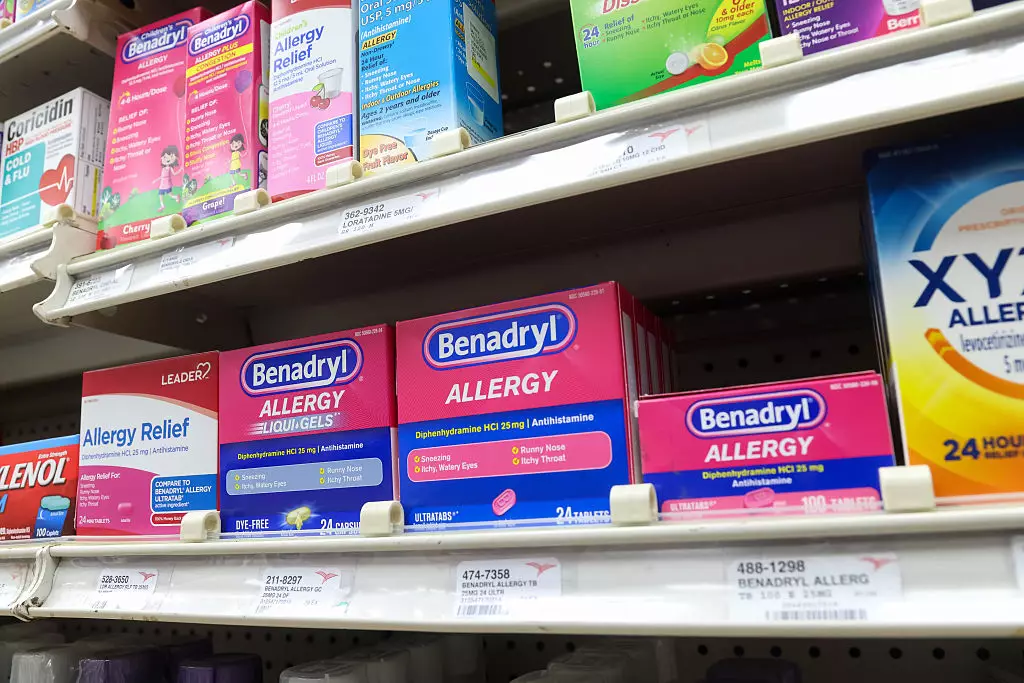
Too much diphenhydramine can trigger serious medical complications, including a sharply increased heart rate, seizures, agitation, hallucinations, difficulty urinating that may lead to kidney problems, and arrhythmia, which is an abnormal heart rhythm that can be deadly.
The FDA has previously cautioned that excessive doses may also result in coma or death. The agency said in a 2020 drug safety communication that taking more than the recommended amount of diphenhydramine can cause serious heart problems, seizures, coma and death, and urged families to read the Drug Facts label carefully because the ingredient can appear in multiple over-the-counter products.
The OCA reminded parents and caregivers to keep every type of medication, whether prescription or over the counter, stored securely and away from children of any age. Health officials also say medicines should be kept up and away, out of reach and sight, and preferably locked to reduce both accidental poisonings in younger children and misuse by teens.
The cases have also renewed focus on the “Benadryl Challenge,” a dangerous social media trend that began circulating on TikTok in 2020.
The trend encouraged people to take very large amounts of diphenhydramine and push through the sedating effects in an attempt to feel high. The OCA said it “cannot confirm” whether the Connecticut deaths were tied to that challenge, though concern remains because of the trend’s past impact.
Earlier this year, Dr Stephanie Felton of Cook Children’s Medical Center in Texas said the hospital had seen one fatality linked to the challenge and had treated more than 100 patients for diphenhydramine overdoses over the previous six months, most of them teens and pre-teens.
TikTok has since taken down content connected to the challenge. People searching the platform for “Benadryl challenge” are now directed to pages offering substance use and emergency support resources, reflecting wider efforts by social media companies to limit the spread of harmful challenge content.
A spokesperson for TikTok had previously said the company’s community guidelines prohibit material that encourages dangerous acts or viral challenges that could cause harm.
When the trend first gained attention, Johnson & Johnson, which owned Benadryl at the time, described it as “extremely concerning and dangerous” and urged people not to take part. Benadryl is now part of Kenvue’s consumer health brand portfolio.
The warning in Connecticut also echoes older alerts from state child-safety officials. In a previous public health notice, the OCA and the Connecticut Child Fatality Review Panel warned that antihistamines such as Benadryl should never be used to make infants sleepy or keep them quiet, and said they should only be given to young children on the advice of a licensed medical provider.
Medical experts say one reason the drug can be especially risky is that it is easy to underestimate how much has been taken, particularly if more than one medicine in a home contains diphenhydramine. The FDA has said the ingredient is sold not only as Benadryl and store-brand allergy medicine, but also in some products combined with pain relievers, fever reducers and decongestants.
The FDA has also advised families to keep diphenhydramine hidden and out of children’s reach, and to lock away medications that may be misused by minors. Medical professionals have likewise been encouraged to discuss the risks with parents and caregivers. In any suspected overdose, experts recommend calling Poison Control immediately at 1-800-222-1222, and seeking emergency help right away if the person has trouble breathing, collapses, cannot be awakened or has a seizure.