

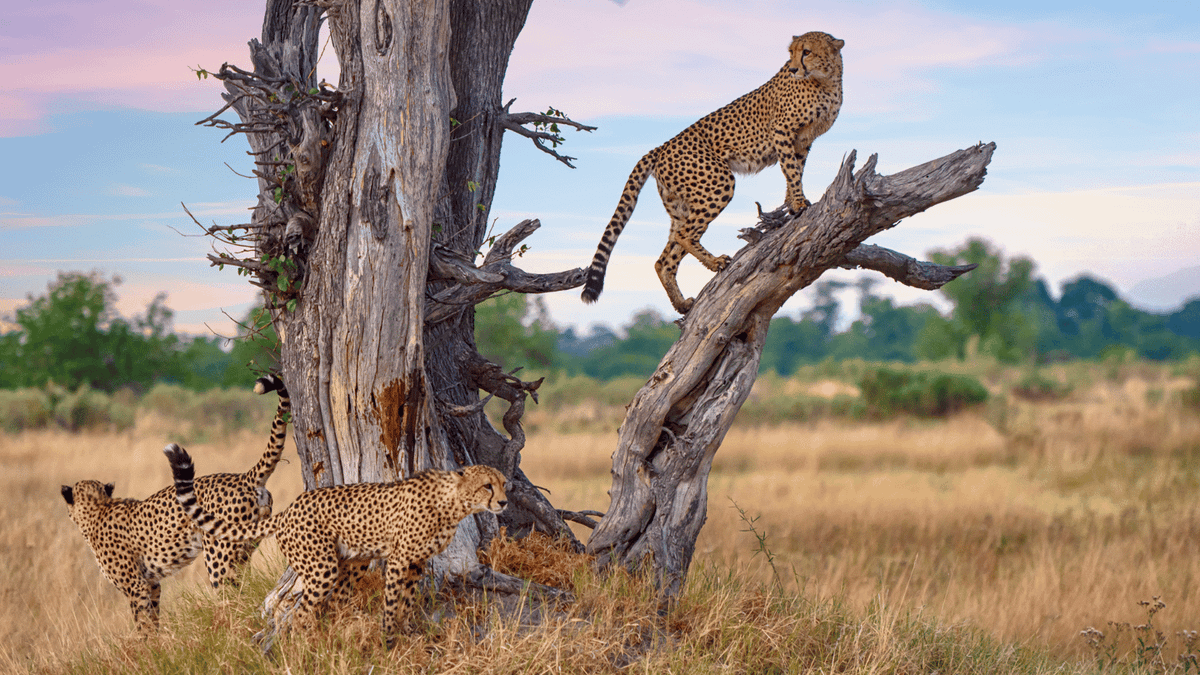
After a week of talks in Brazil, delegates have agreed to extend new or strengthened treaty safeguards to 40 vulnerable animal species and populations, aiming to curb their slide toward extinction.
The Convention on the Conservation of Migratory Species of Wild Animals (CMS) signed off on the additions on Sunday (29 March) at a major United Nations conservation summit in Campo Grande.
The gathering is regarded as one of the biggest and most influential global meetings focused on protecting wildlife.
Officials from 132 nations, alongside the European Union, met to address a wide range of pressures affecting animals that cross borders, including deep-sea mining, climate change, plastic waste, underwater noise, illegal killing, fishing impacts, and marine contamination.
Delegates also reviewed fresh assessments indicating that 49% of the migratory species populations covered by the UN-backed treaty are currently in decline.
Put simply, even with treaty recognition, many of these animals are still losing ground because of threats such as habitat destruction, overuse by humans, and obstacles created by development and infrastructure.
To help reverse that trend, participants agreed to place 40 additional migratory species and populations onto the CMS protection lists.
In a post on social media, CMS described the decision as ‘a major step for global wildlife conservation’.
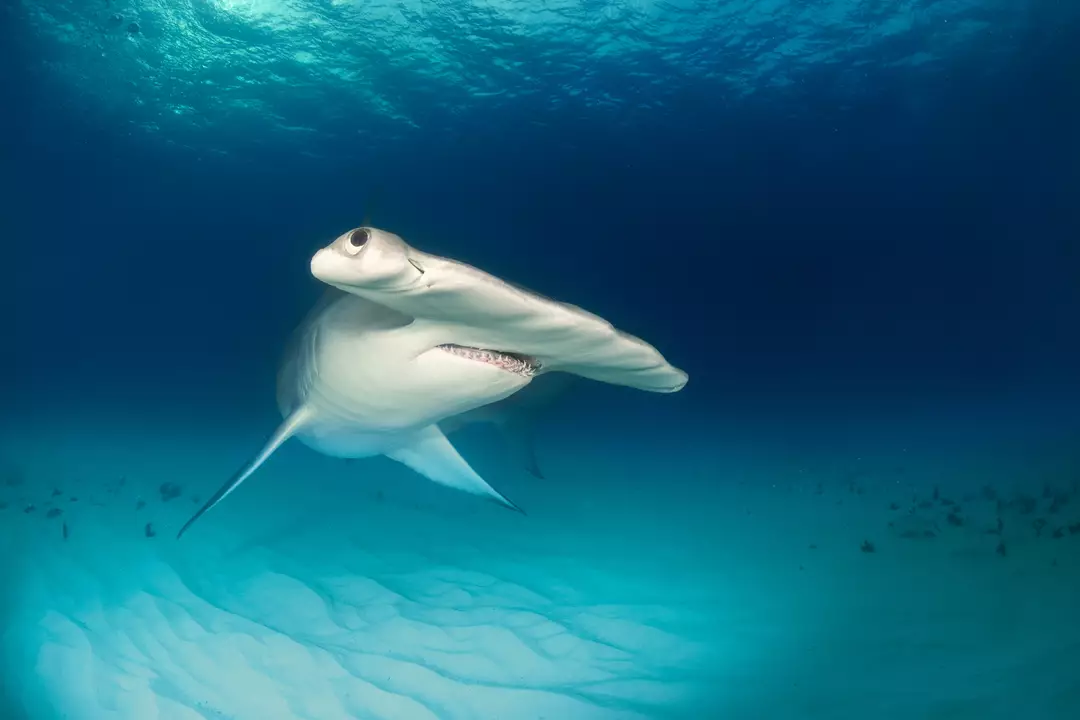
A spokesperson wrote on X: “From cheetahs and striped hyenas to snowy owls, giant otters and great hammerhead sharks, CMS Parties have backed stronger international action as new evidence shows many migratory species are moving closer to extinction.”
The new entries were added to CMS Appendix I, reserved for species threatened with extinction, and Appendix II, which covers species that require coordinated action between countries.
With these updates, the 47-year-old convention now covers more than 1,200 distinct species.
Among those set to benefit are cheetahs, snowy owls, spotted hyenas, giant otters, and great hammerhead sharks, along with many others included in the latest decision.
As reported by PEOPLE Magazine, CMS Executive Secretary Amy Fraenkel said in a statement: “We came to Campo Grande knowing that the populations of half the species protected under this treaty are in decline.
“We leave with stronger protections and more ambitious plans, but the species themselves are not waiting for our next meeting.”
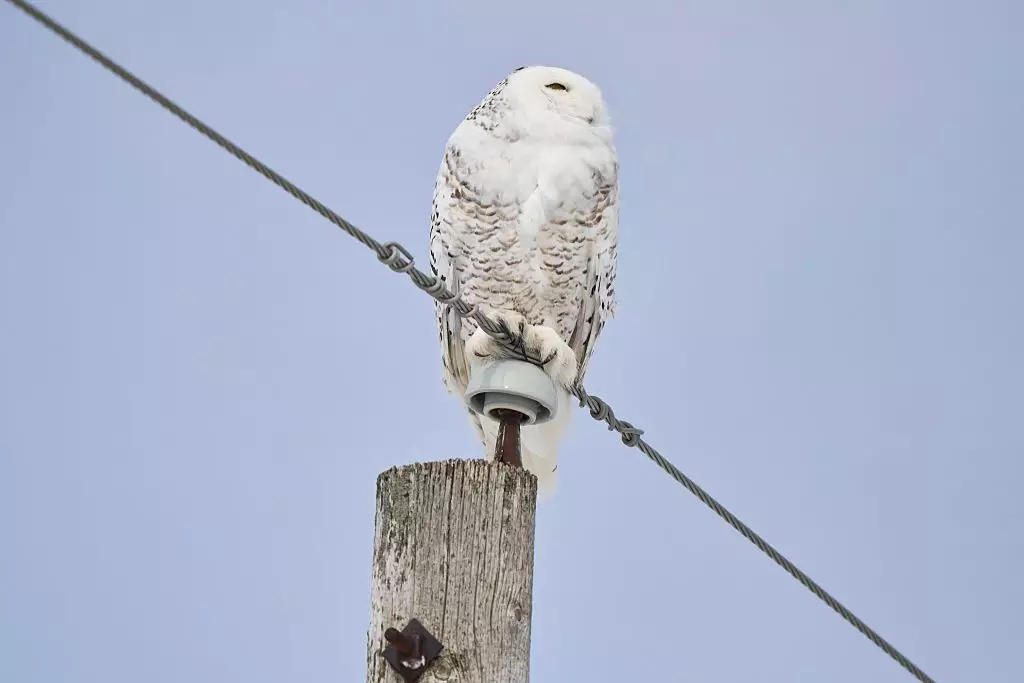
The conservationist continued: “Expanded protections for striped hyena, snowy owls, giant otters, great hammerhead sharks, and many more demonstrate that nations can act when the science is clear.
“Our duty now is to close the distance between what we’ve agreed and what happens on the ground for these animals.”
João Paulo Capobianco, Chair of COP15 and Executive Secretary at Brazil’s Ministry of the Environment and Climate Change, also emphasized the shared responsibility involved, saying: “We protect species that may never remain within our borders.
“We invest in a natural heritage we do not own, but are all responsible for. In doing so, we give concrete meaning to global solidarity, recognizing that migratory species transcend nations, jurisdictions, and generations.
“From the Pantanal to the Arctic, from the oceans to the savannas, migratory species connect our planet in ways no political map ever could. They remind us that ecological integrity depends on continuity on flows that must remain alive, uninterrupted, and resilient.”