

Most parents know the challenge: persuading a child to sit still long enough for a decent photo. Usually, these pictures are kept simply as sweet reminders of early life.
Once in a great while, though, an ordinary-looking childhood snapshot ends up feeling far more significant—because the child grows into someone who shapes national, or even global, events.
Old images of famous figures can humanise the legends we think we know. A childhood photograph of Winston Churchill, for example, offers a very different angle on the name etched into history books.
‘he was a very handsome man’
And while some comments about leaders can sound strange at first, there are moments in early photos that seem to hint at what was to come.
‘had a great aura,’
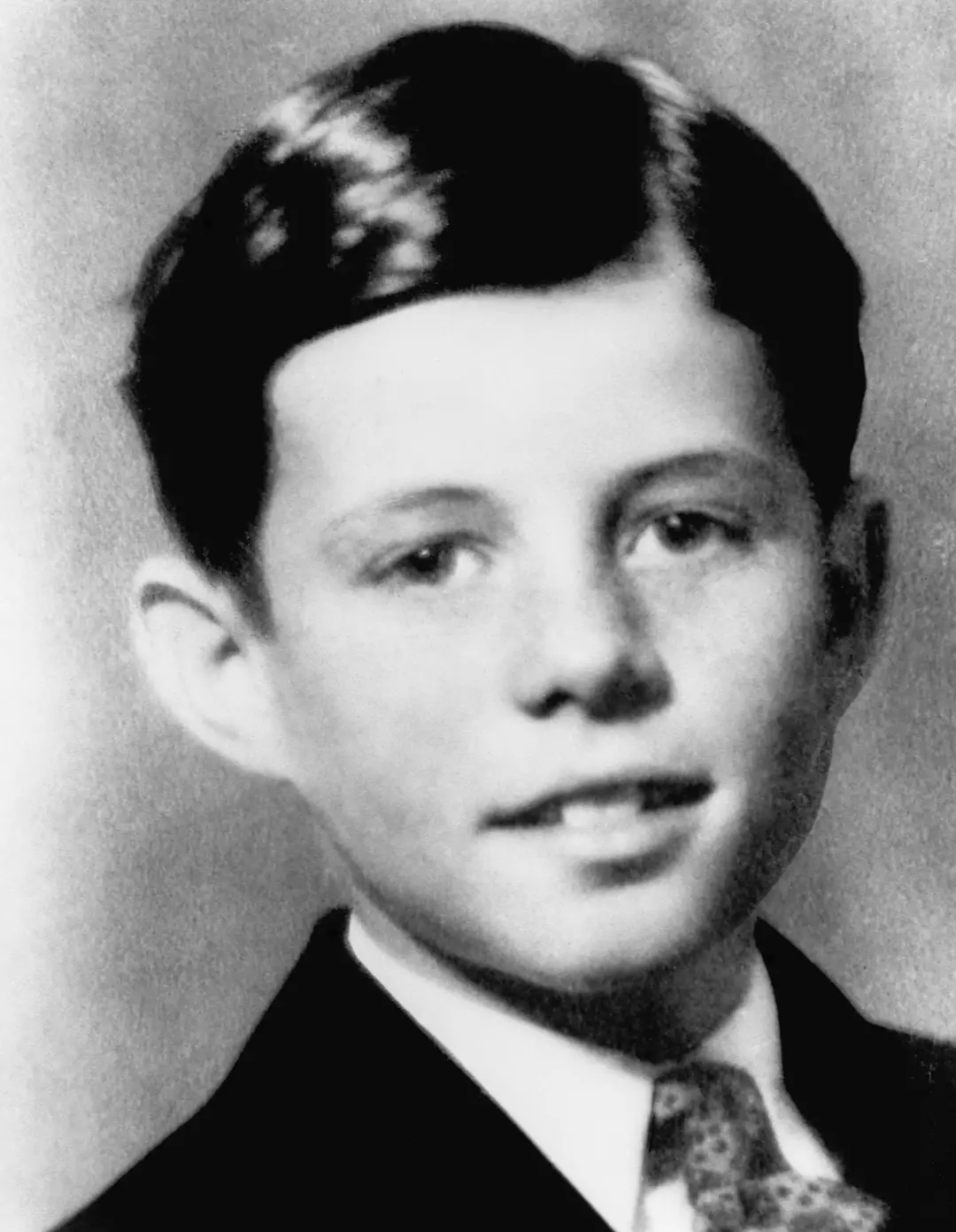
Because his life ended at just 46 in circumstances that altered America’s course, John F. Kennedy is often remembered as the polished, photogenic president seen in countless iconic images.
But before the glamour and the mythology, he was a boy whose early years were marked by constant health problems—an ominous prelude to the misfortune that would later follow the Kennedy family.
He reportedly came close to dying from Scarlet Fever at only two years old. By 1927, when he was 10, his frailty had already kept him apart from siblings and peers for long stretches.
‘toxicity’
Even with the advantages of wealth, he continued to battle serious illnesses that were especially dangerous in that era, including whooping cough, measles, and diphtheria. Still, politics entered his world early—long before he could understand the stakes.
In the gaps between illnesses, the future president traveled with family on the unsuccessful campaign run by his grandfather, John “Honey Fitz” Fitzgerald, visiting neighbourhoods in Boston where political relationships were built face-to-face—communities that would later open doors for him in Congress.
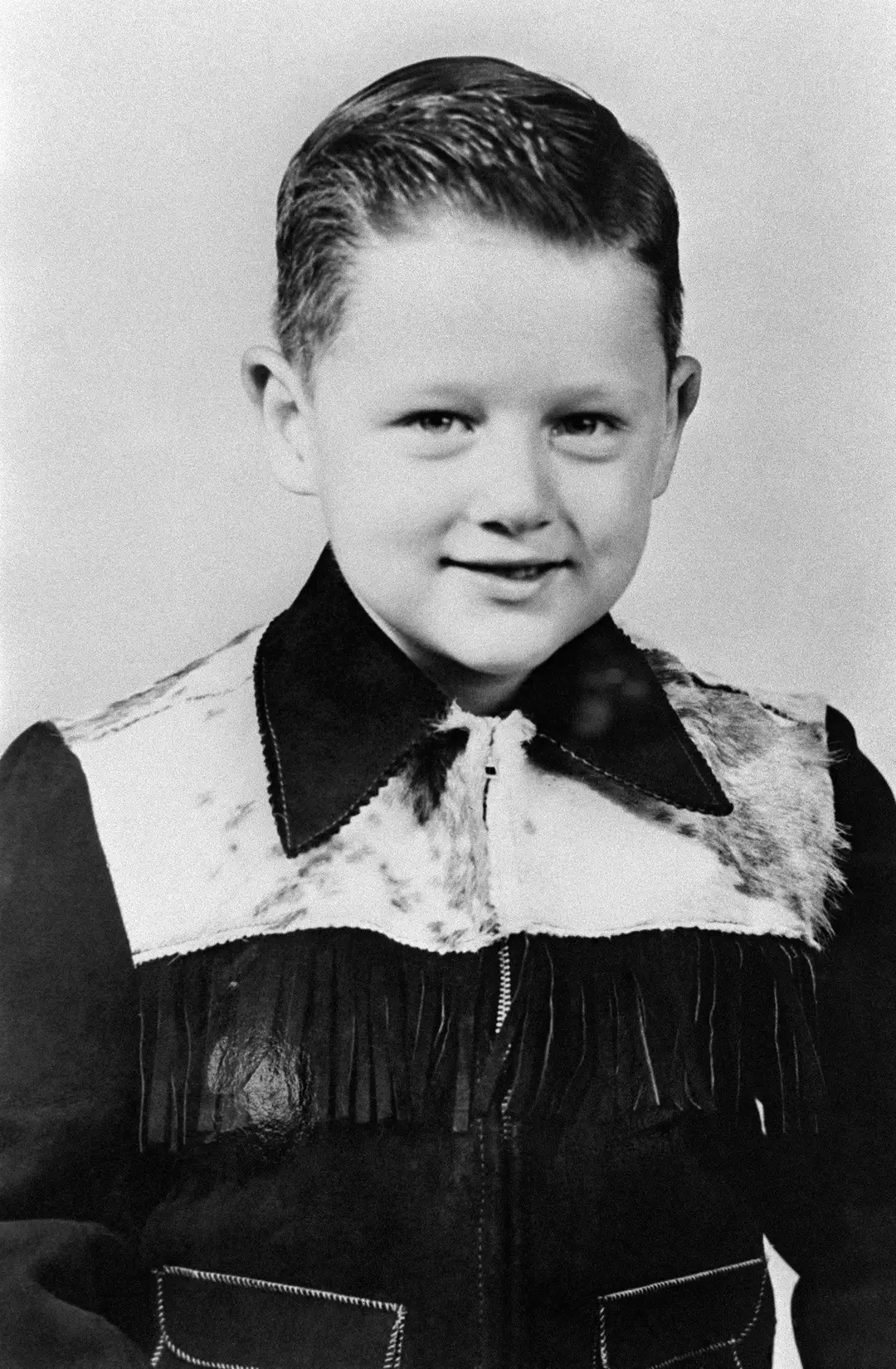
Bill Clinton’s presidency is still frequently judged as consequential, even with the personal scandal that dominated headlines. From 1993 to 2001, he presided over two terms associated with economic expansion and comparatively steady governance.
That period of national confidence would have looked nothing like the world he grew up in.
Born in Arkansas one year after World War Two, Clinton’s childhood unfolded in a segregated South that was beginning to crack under the pressure of a civil rights movement that would transform the country.
One of the defining confrontations of that era happened close to home. When Clinton was 11, nine African American students attempted to integrate Little Rock Central High School shortly after the Supreme Court’s landmark decision.
‘Brown v. Board of Eduction’
Later in life, as governor and then president, Clinton returned to that school repeatedly. On the campaign trail he also often pointed to his grandparents—who operated an early desegregated business—as a major influence on his political outlook.
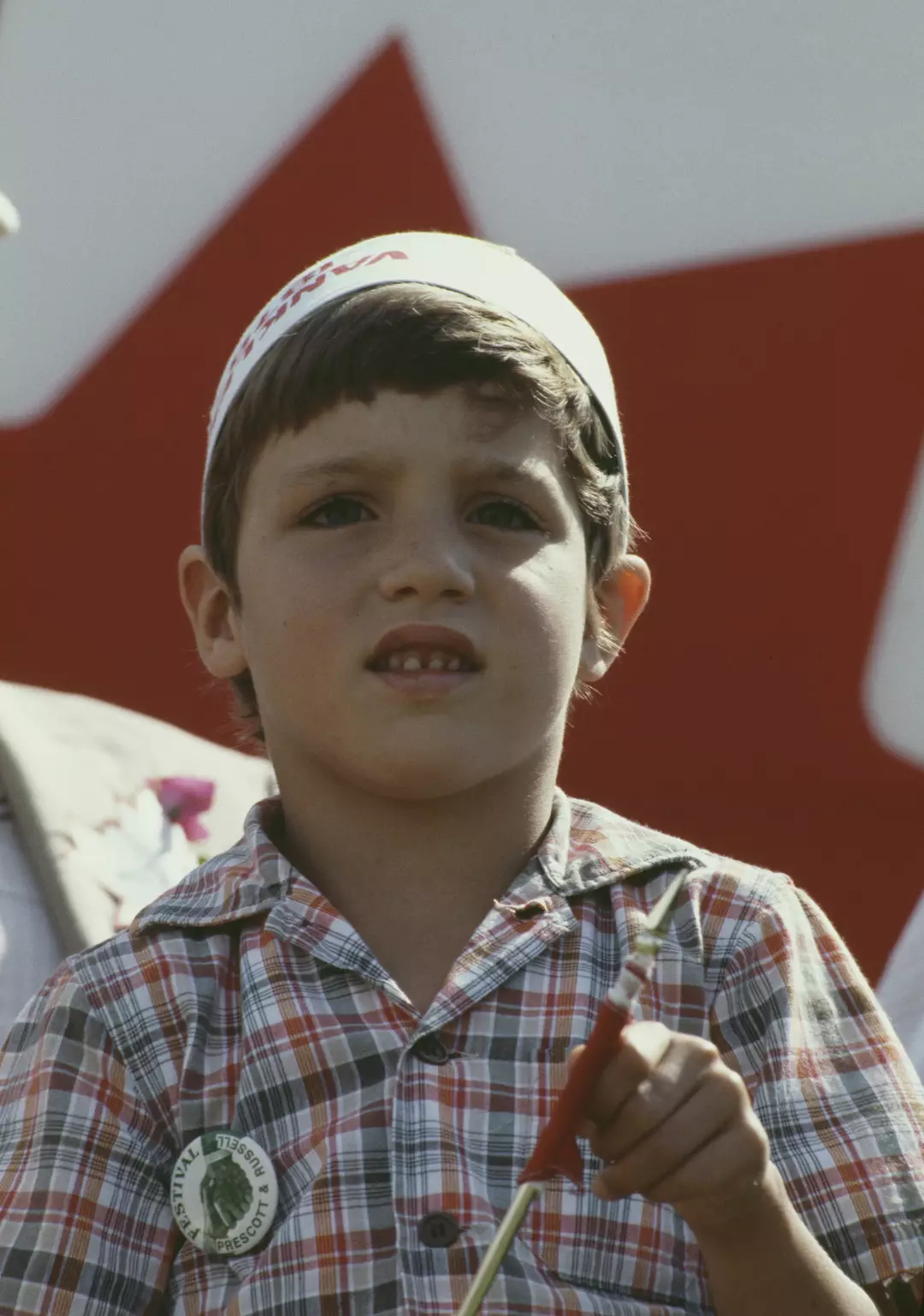
Justin Trudeau’s upbringing was unlike that of most modern political leaders. Born on Christmas Day in 1971, he entered the world already connected to power as the son of Canadian Prime Minister Pierre Trudeau.
Because his father was a major international figure, Trudeau encountered prominent leaders unusually early—meeting figures such as Queen Elizabeth II, Pope John Paul II, and President Nixon long before he was old enough to grasp why they mattered.
But being raised around state events and security details didn’t erase his desire for normality. That tension showed up in small, telling ways—like the time he insisted on taking the school bus instead of being driven.
His father agreed, in part: Justin rode the bus, while a security vehicle followed close behind.
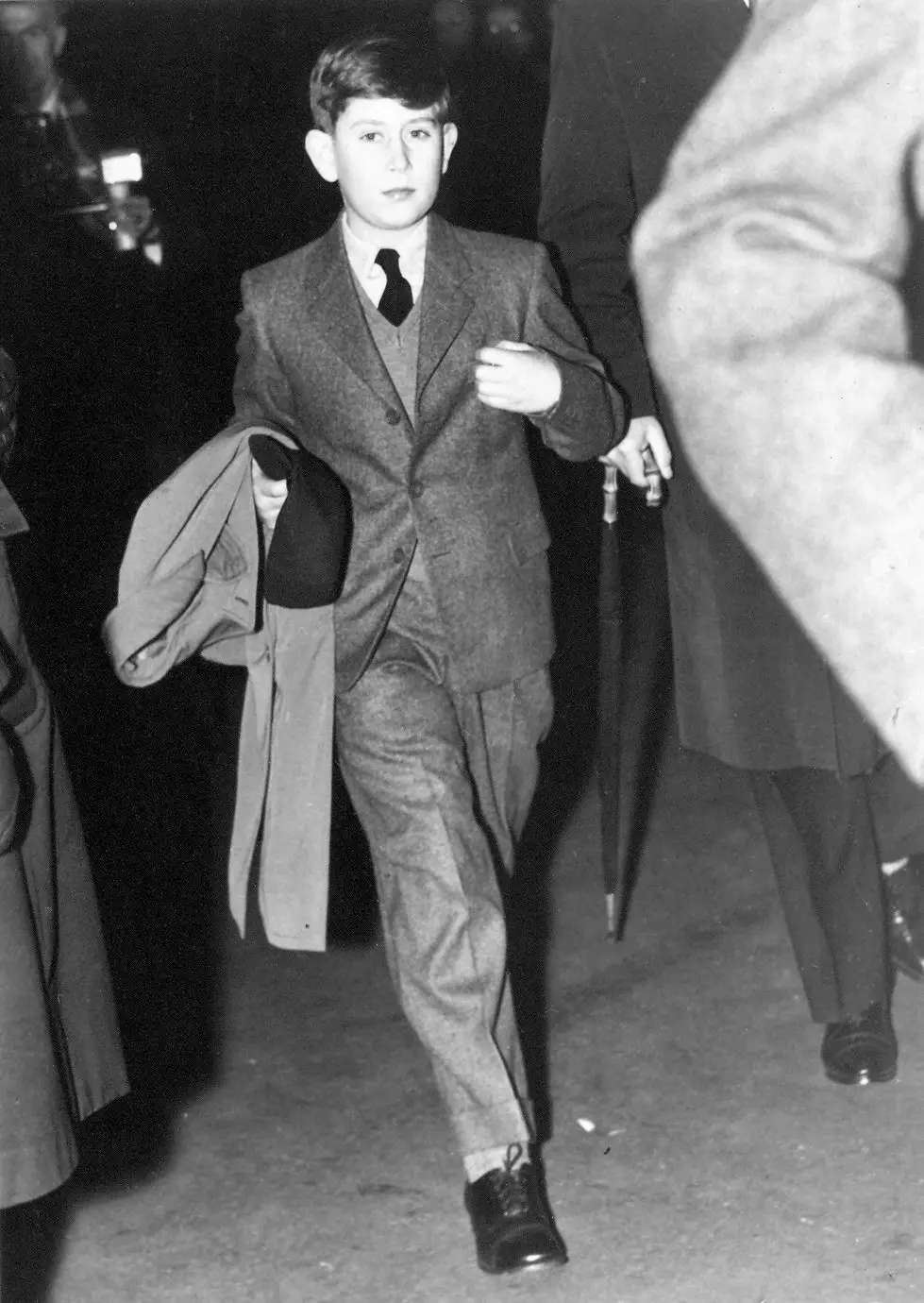
Few public figures have lived under sustained attention as long as King Charles III. Born in 1948 into one of the world’s richest families and among its oldest monarchies, his life was public from the beginning.
Only four years after his birth, his mother became Queen Elizabeth II, beginning a 70-year reign that would define an era and set an unmatched record in British history.
For Charles, that level of ceremony, scrutiny, and obligation created a childhood shaped by formality and distance. With royal duties pulling his parents away, he was known to be shy and sensitive—traits that seemed to deepen in the absence of ordinary family life.
‘darling mama’
Much of his earliest development happened with his nanny, Mabel Anderson, who effectively filled the role of a constant caregiver.
‘Nana’
Many royal historians have argued that, in his early years, the Queen and Prince Philip were often away or emotionally remote, leaving nannies and later boarding schools to provide day-to-day structure.
His time at Gordonstoun in Scotland was particularly unhappy, and he later described it in harsh terms.
‘Colditz in Kilts’
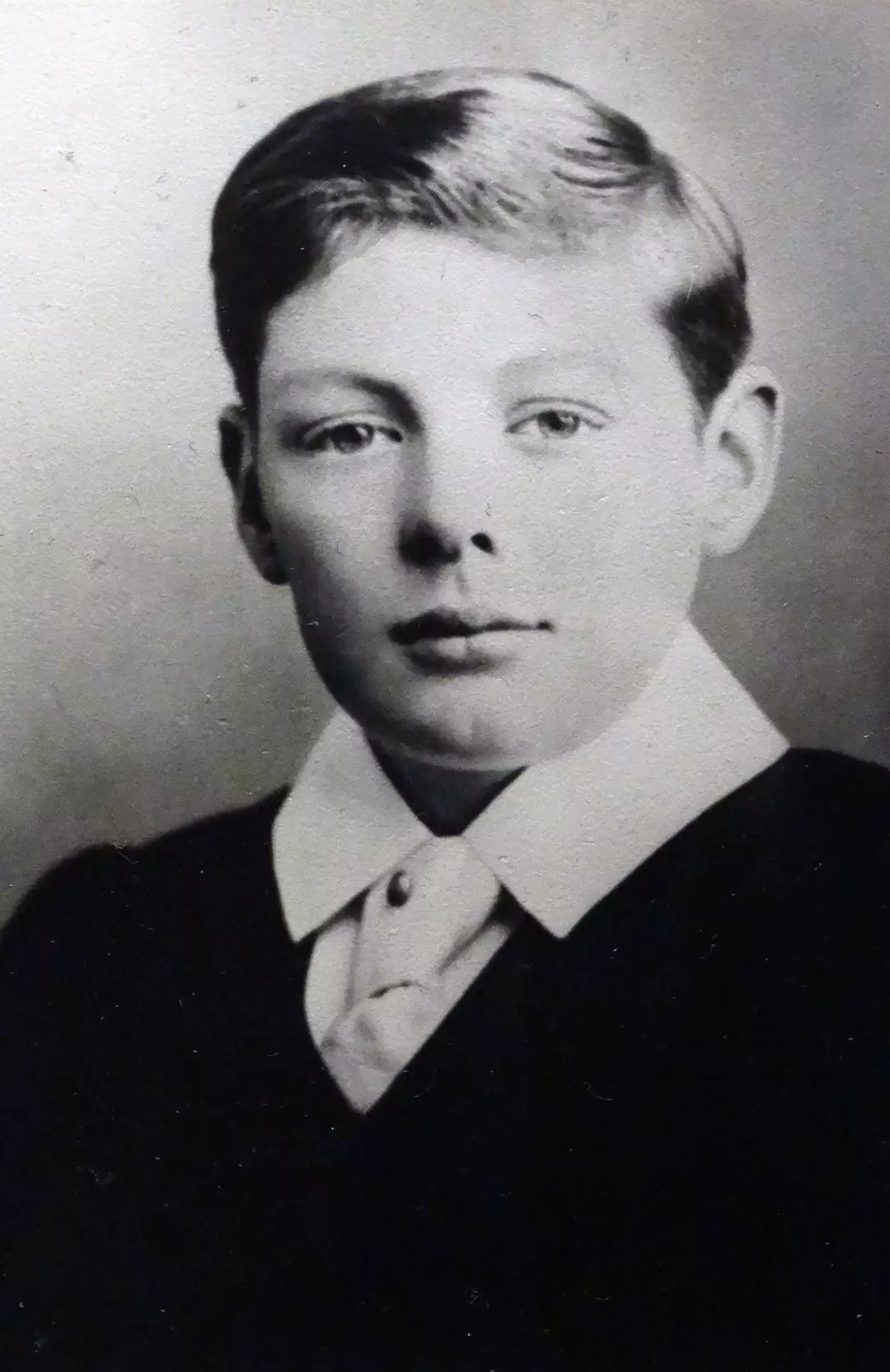
Winston Churchill is often placed near the top of any list of the 20th century’s most important leaders. Yet by the time he became the face of Britain’s wartime resolve in 1940, he was already seen as elderly.
His reputation, however, wasn’t created overnight. Long before he was asked to form a government, he was steadily building a career that hinted at ambition and risk-taking—helped, undeniably, by his aristocratic background.
At Harrow School, one of the most elite institutions in Britain, Churchill was not known for academic dedication. Instead, he focused on securing entry to the Royal Military Academy Sandhurst, a route that better suited his temperament.
Once trained, he used family influence to chase assignments and experiences that placed him close to conflict, displaying a mix of courage and recklessness that would follow him for decades.
His earliest exposure to war came as an observer and journalist covering the Cuban War of Independence. He later served in campaigns in Pakistan, Sudan, and South Africa—alternating between roles as an officer and a correspondent as the British Empire entered its final years.
Remarkably, he had accumulated all of that experience by the time he turned 30.