

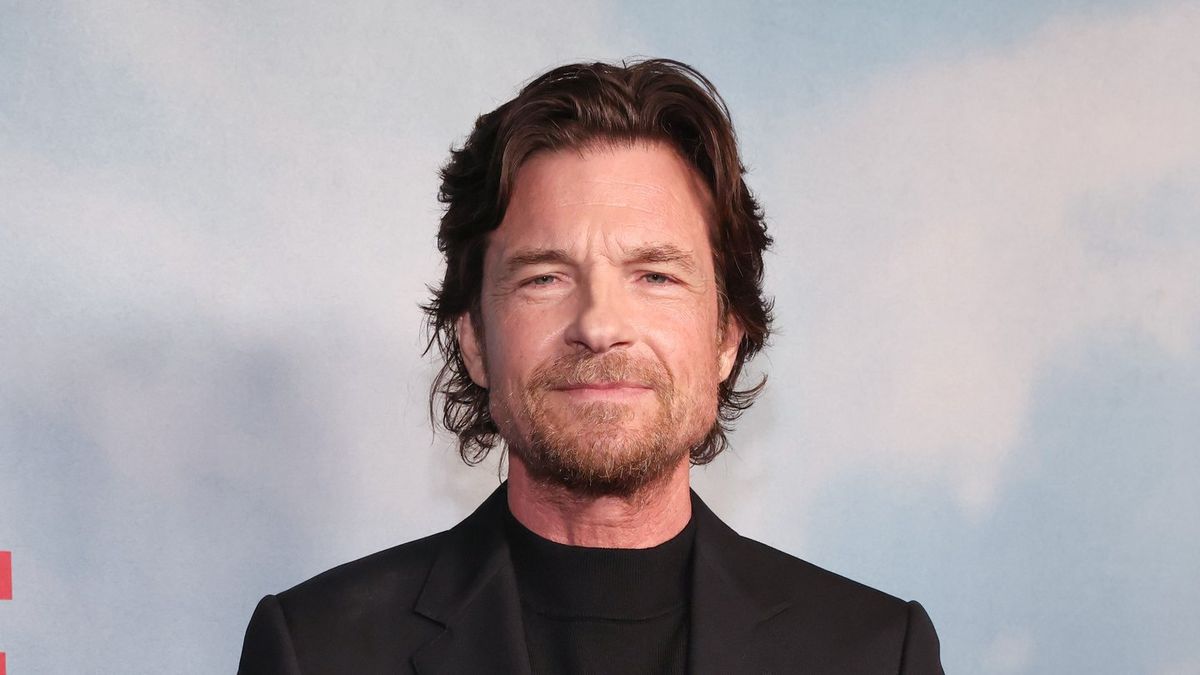
Jason Bateman says he’s been abstinent from alcohol since 2004, after a turning point conversation with his wife.
In a new interview, the actor looked back on how his relationship with Amanda Anka—who he’d married three years earlier—helped him decide it was time to stop drinking.
Bateman has previously spoken openly about how alcohol and cocaine use affected both his personal life and his career, as he tried to make up for late-teen and early-20s experiences he felt he’d missed.
“Having thought, ‘This is really fun,’ and staying at the party a little bit too long, I’d lost my place in line in the business; it was a case of trying to claw that back towards the end of the 90s, and not getting a lot of great responses,” Bateman told The Guardian in 2022.
Speaking to Hollywood Reporter, Bateman said that he and Anka “definitely had a few negotiations about the point at which the [partying] spigot was going to completely turn off.”

He said Anka pushed him to take a hard look at the uncertainty his partying created, recalling her telling him: “This drip, drip, drip is annoyingly unpredictable, Jason.”
Bateman stressed that her stance wasn’t about issuing ultimatums. While she didn’t insist he quit everything immediately, he said the healthiest choice became clear to him as he thought about their future together.
“I was like, ‘Well, I feel like my [sobriety] ETA is six months away, but if I could land this plane now, it would alleviate a lot of the tension, so let’s just f***ing do it,’” he said.
He has since described himself as “California sober,” meaning he quit alcohol and cocaine, while continuing to use cannabis.
Stepping away from alcohol can bring noticeable health changes, and Circle Health Group outlines several key ways the body can benefit after quitting.
For starters, sobriety can reduce strain on major organs—particularly the liver and the heart.
Heavy drinking can increase triglycerides and cholesterol buildup in the liver, which may contribute to fatty liver disease—and in turn can worsen cholesterol issues in the blood.
That additional burden can spill over into cardiovascular health: alcohol can weaken heart muscle, raise blood pressure, and increase the risk of complications such as stroke, vascular dementia, and certain cancers.
Circle Health Group notes that within about three weeks of stopping alcohol, cholesterol levels can begin to drop, offering protection for both the heart and liver.
Quitting can also affect the brain in meaningful ways, including improvements linked to mood and sleep quality.
Many people recognize the feeling of waking up drained after drinking, even if they were asleep for hours.
Alcohol can interfere with the deepest phases of sleep—especially REM—making rest feel less restorative and leaving knock-on effects for mental wellbeing.
As Circle Group Health writes: “REM plays a massive role in your cognitive function, allowing you to process memories, make clearer decisions, and regulate your emotions.
“It also helps you feel restored and rejuvenated after a night’s sleep, which makes life generally more manageable, and everyday tasks more achievable.”
Improved sleep is often one of the earliest changes, with some people noticing a difference within a week.
Cutting back can also support fitness and day-to-day energy. With less stress on the heart and liver, overall stamina can improve, and workouts may feel more manageable.
People who stop drinking may also feel better hydrated and more motivated to exercise. Because alcohol is calorie-dense and can disrupt digestion, reducing it often contributes to weight loss, improved strength, and steadier energy in the weeks that follow.
Appearance can change quickly too, particularly skin. Alcohol is dehydrating, which can leave skin looking tired or dull. When drinking stops, hydration levels often rebound, helping skin look more supple.
Improved nutrient absorption—especially vitamins A, C, and E—can also support skin repair, while better sleep and general health may further reduce that “run-down” look.
If you’ve been affected by addiction and want to speak to someone in confidence, you can call American Addiction Centers on (888) 324-0595, available 24/7, or contact them through their website.