

The story is clear and well-documented. Let me construct a comprehensive article following the guidelines.
An investigation by Science and Retraction Watch, published July 23, has brought details into the open about a six-year-old girl’s death from experimental gene-editing therapy in China.

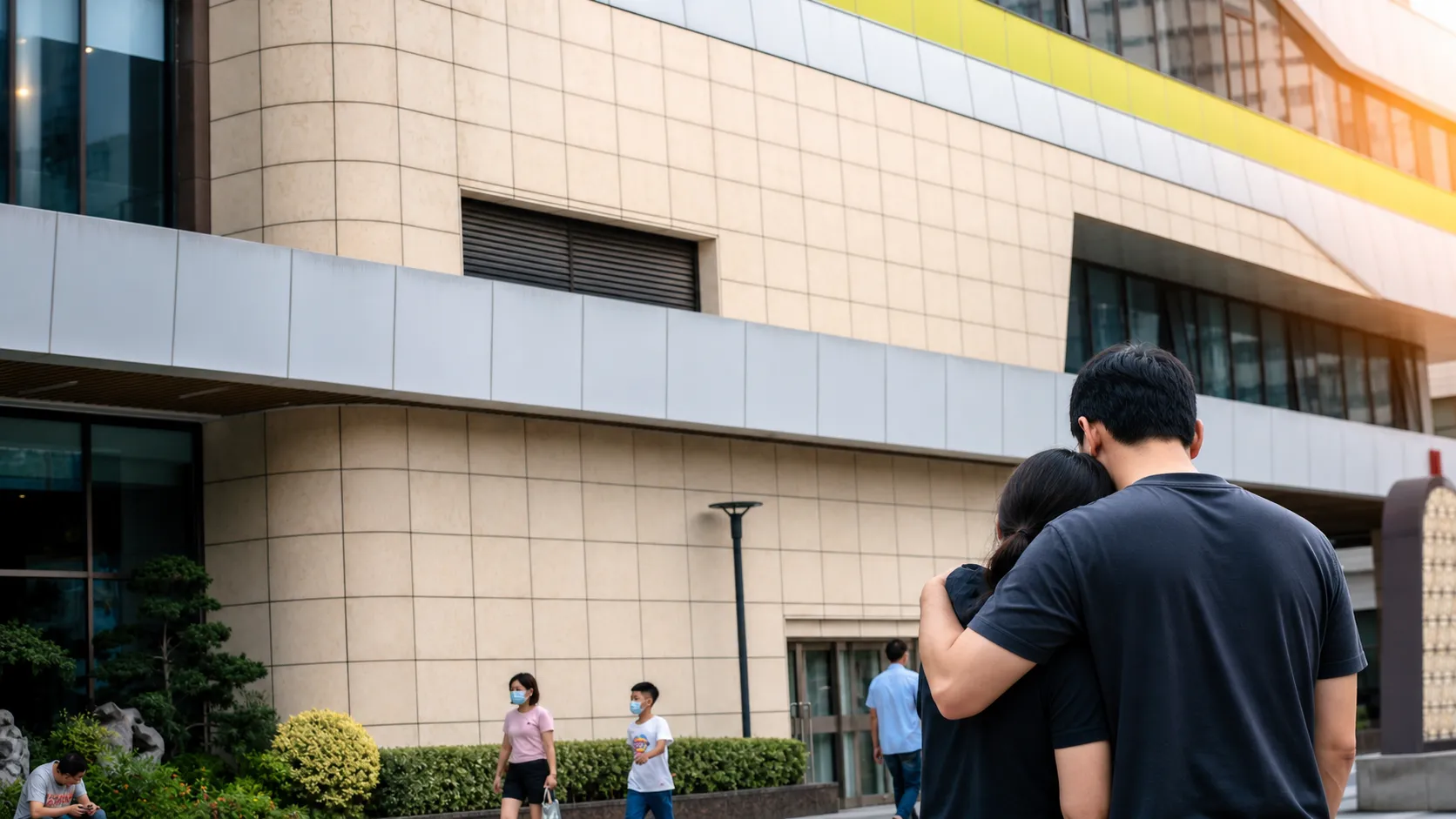
In late March 2025, a six-year-old girl with Snijders Blok-Campeau syndrome received an experimental gene-editing treatment at Shanghai’s Xinhua Hospital; seven days later she was dead from a severe immune reaction linked to the therapy, and her parents had paid more than $860,000 to help develop it.
The child lived with the rare neurodevelopmental disorder caused by a single-base change in the CHD3 gene, which left her lagging behind peers in language, motor skills and cognitive development; she spoke in simple sentences and still needed training chopsticks.
Her parents, searching for any chance of improvement, turned to a team led by neuroscientist Zilong Qiu at the Songjiang Research Institute of Shanghai Jiao Tong University School of Medicine.
The girl’s parents, known as Jason and Linda in the investigation, first discovered Qiu online.
In an email to Qiu describing their daughter’s condition, Jason wrote: “Watching our child suffer every day is the most painful ordeal for us as parents.” Thirteen minutes later, Qiu replied with interest.
“We understand that gene therapy requires complex experiments and can cost tens of millions [Chinese yuan]. We are willing and able to bear these costs,” Jason wrote in his initial email.
Qiu soon invited Jason and Linda to meet at the institute, where the parents told him they weren’t interested in funding research for the sake of research.
“The psychological cost of doing this is very high for me,” Linda told Qiu, adding “But I am willing to try this because you have proven to be very trustworthy,” and Jason and Linda soon wired their first payments to a foundation affiliated with another university.
Over the course of two years, Jason said he came under increasing pressure to pump money into the research, sometimes in dubious ways such as paying members of the research team directly and informally, and was told that if he stopped providing funds, everything he had already paid would be for nothing.
Charging for an unproven therapy is forbidden under Chinese law, but Qiu explained this away by saying the parents were paying into his gene-therapy company, which then paid for the procedure.
The parents had heard about serious side effects, including deaths, caused by other gene therapies, and knew the greatest risk would be Mei’s immune response to the massive dose of virus; Qiu said getting the dose right was critical, but infusing the viruses directly into Mei’s spinal fluid would minimize the threat of a reaction because it would bypass the kidneys and liver, and the parents were starting to feel at ease.


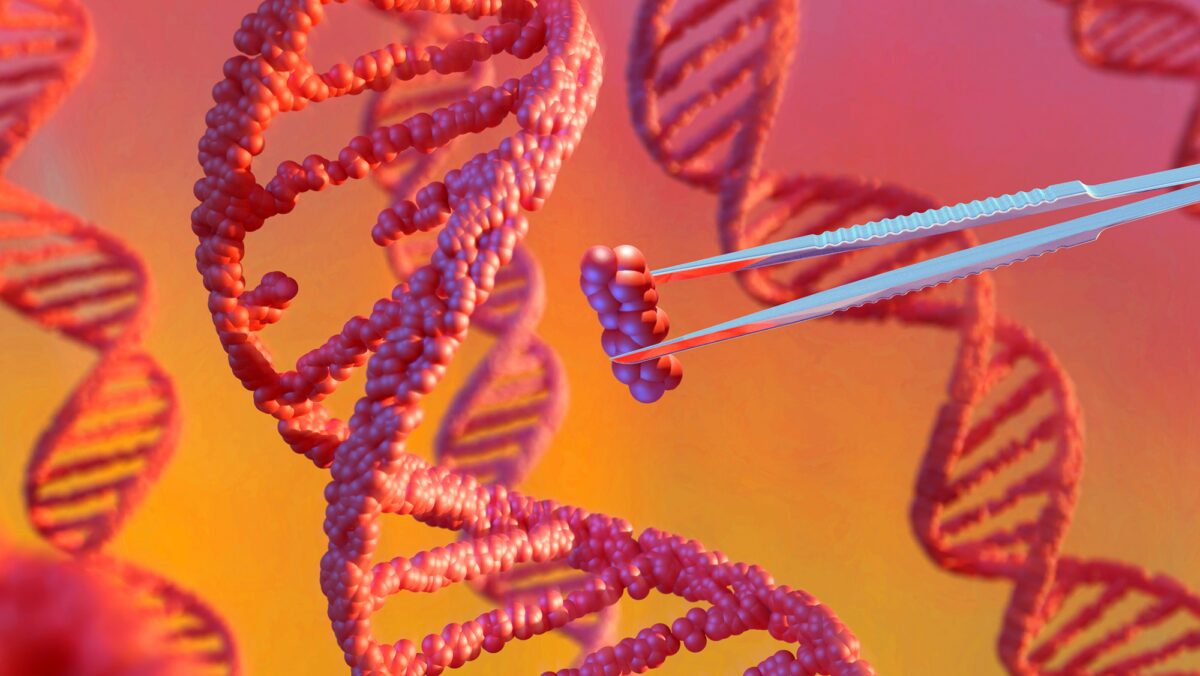
Qiu explained that the therapy would require delivering viruses into Mei’s spinal fluid; the viruses would then travel to her brain, where they’d make the desired edits, and to get a big enough dose into the brain, hundreds of trillions of viruses would be needed.
In January 2025, Qiu submitted a manuscript describing the team’s lab-animal experiments to the journal Nature, and a revised version was published in February 2026 with no mention of the family nor its financial contributions.
About one month before Mei was treated, the final conclusions of a primate toxicology study emerged: the company’s report dated February 17, concluded all four monkeys that received the therapy, whether at low or high doses, developed moderate to severe liver damage.
Yet the treatment proceeded.
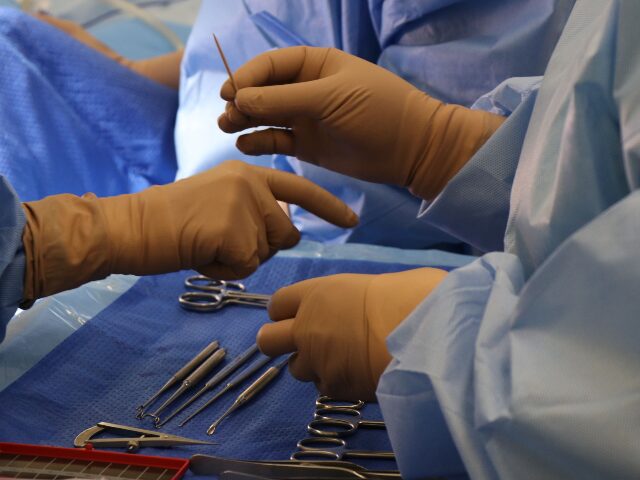
On March 24, a doctor inserted a needle between two vertebrae in Mei’s lower back, extracted cerebrospinal fluid, and injected the virus into her spinal canal; three days later, she developed a fever, stopped urinating because her kidneys had been severely affected, and her platelet count plummeted.
She began running a fever that Dr. Qiu confidently, and incorrectly, predicted would pass; her kidneys failed, so she could not have any fluids; and Qiu seemed baffled by her deteriorating condition.
Seven days after the procedure, the girl died, and an internal review linked the death to a severe immune reaction triggered by the therapy.
The death was never reported publicly, the ClinicalTrials.gov record was never updated, and no public statement was issued by the hospital, the university or the investigators.
In the aftermath of Mei’s death, her parents asked Qiu not to publish the paper he had been excitedly preparing for Nature, but he did it anyway—after removing the genetic data collected from Mei and her family and deleting a message of thanks to them.
The research team returned the parents’ funds.
International experts condemned the trial.
“This never should have gone to trial,” one expert said.
“Learning the reality of these missing safeguards has fundamentally changed how we now view the entire project,” Jason said, adding “We did not realize how unusual and dangerous many of the arrangements were,” and noting that Mei’s story raises questions about whether such risky treatments should be initially tested on patients with nonfatal conditions.
Joy Zhang, a sociologist at the University of Kent who has written about the pervasive culture of secrecy in Chinese scientific institutions, said the lax oversight of this recent trial and the failure to publicly report the fatality “shows the gap between what is intended and what has been put in place.”
According to research by Science and Retraction Watch, the hospital used a fast-track bureaucratic procedure that bypassed national regulations and Qiu and his team severely undersold the risks of the procedure to the girl’s parents; when the truth was finally revealed, international experts said the negative reactions observed during animal testing should have prevented the experimental treatment from advancing to human trials.
A leading Chinese scientist is under investigation by his university after the six-year-old girl reportedly died following experimental gene-editing therapy.