

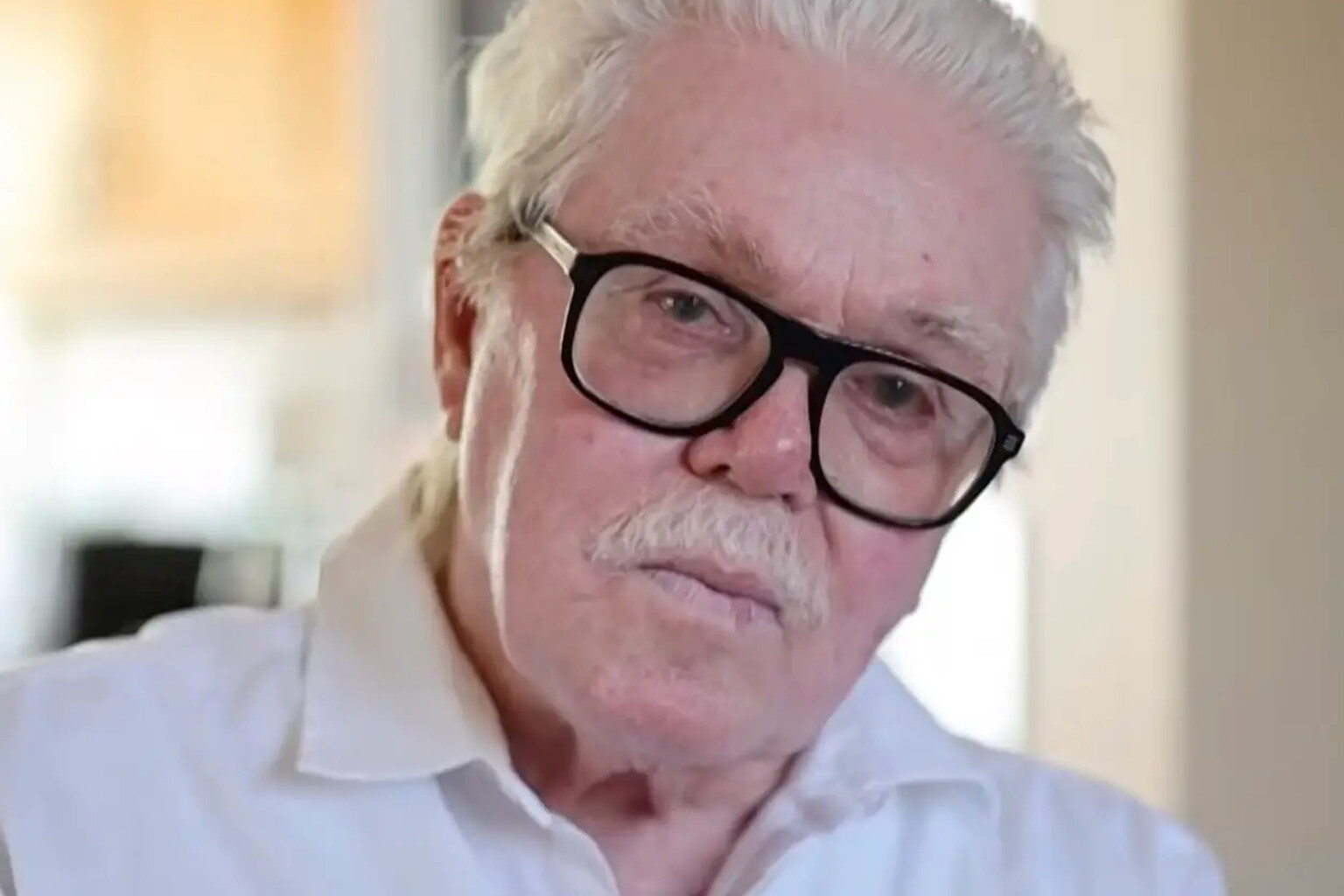
Michael Tuohey has spoken out about why he did not intervene when his instincts warned him about two men who became 9/11 hijackers.
Tuohey, 80, was working as a customer service agent at Portland International Jetport in Maine on the morning of September 11, 2001, when Mohammad Atta and Abdul Aziz al Omari arrived to check in for their connecting flight to Boston. The pair showed up just 30 minutes before departure, cutting it close for a flight that would position them to board American Airlines Flight 11 and ultimately crash it into the World Trade Center’s North Tower.
The retired agent recalled that he “got a vibe” from Atta, the older of the two men, sensing that “he didn’t like being there.” Tuohey also observed behavioral red flags: Atta repeatedly emphasized that it was a “one-step check-in” and issued what Tuohey described as an “order” to al Omari to hurry up.
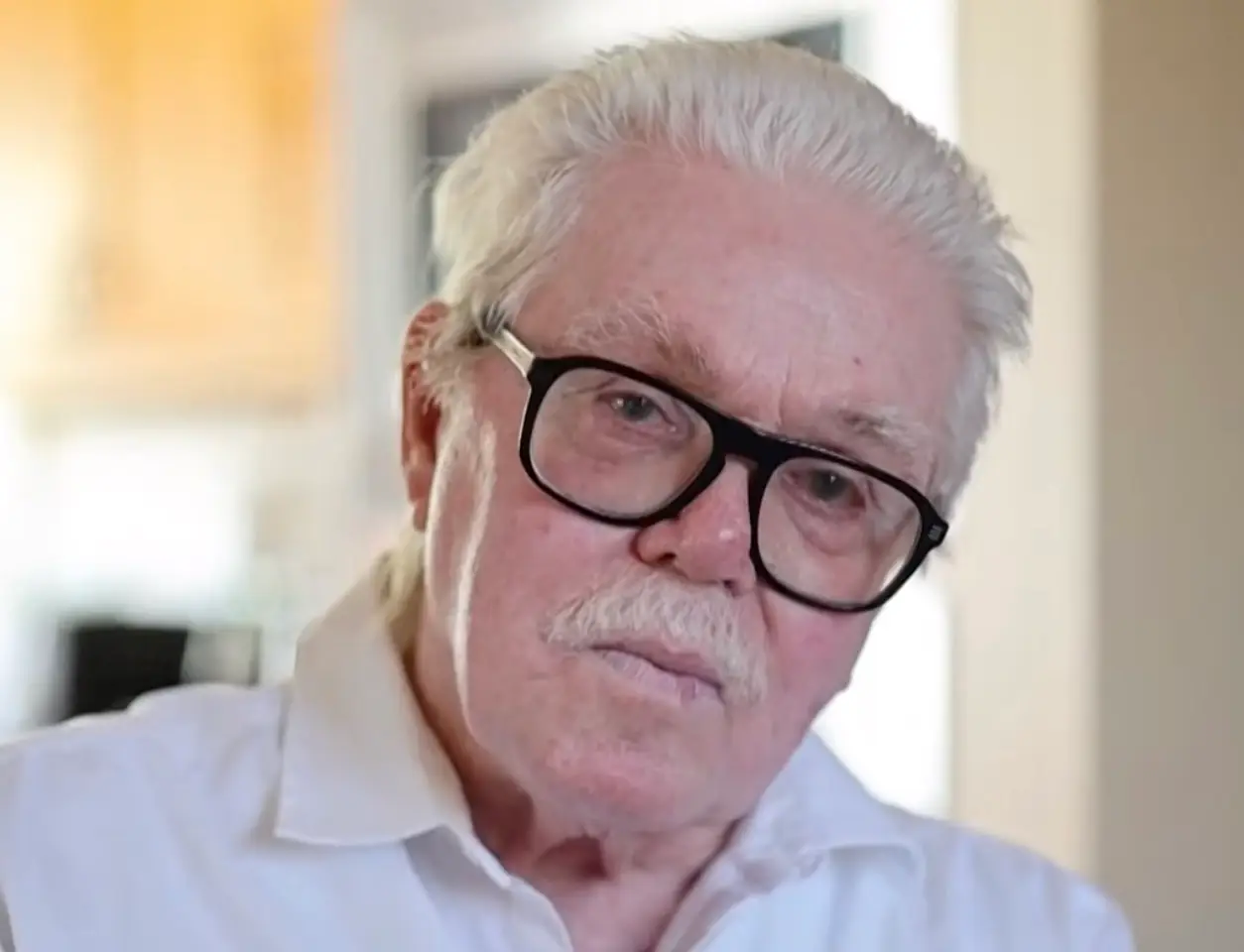
Despite these warning signs, Tuohey explained why he took no action. “My gut instinct was good but there were laws, there were laws against profiling people,” he said in the interview. He continued: “I didn’t listen to my gut. And it turned out to be an awful thing. But it wasn’t that I was right. It’s just that it could have changed something.”
Tuohey added a haunting note of uncertainty about what intervention might have meant: “Not that it would have, but it could have. Who knows?”
The agent’s initial reaction when he saw the attacks unfolding on a television at work was not recognition but sympathy. “I said ‘oh my God, the poor guys, their dead.’ That’s what I’m thinking, ‘the poor guys are dead,'” he recalled. The realization came later. “And then it dawned on me,” he said. “Wait a minute, this guy looked like…I even thought if anybody looks like a terrorist, he is a terrorist.”
That thought, he noted, had crossed his mind earlier that same day.
Tuohey has carried the weight of that encounter for more than two decades. He acknowledged to the outlet that he still suffers guilt over the possibility that acting on his instincts might have altered the course of events.
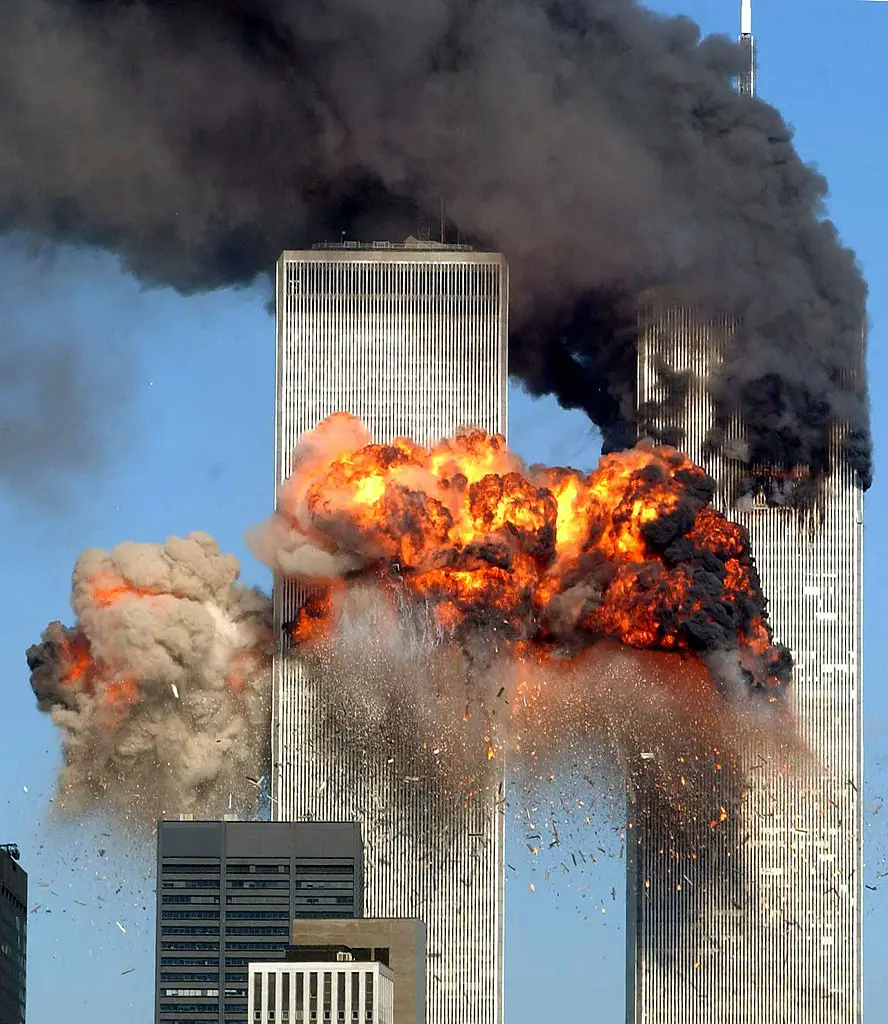
The hijackers’ travel path that morning began in Portland, where Tuohey checked them in for the short hop to Boston. From there, Atta and al Omari boarded Flight 11 bound for Los Angeles, securing business class seats that placed them closer to the cockpit they would soon storm. The flight never reached its intended destination, instead becoming the first of four aircraft weaponized in the deadliest terrorist attack in American history.
Tuohey’s account adds a rare ground-level perspective to the extensive documentation of that day, illustrating how frontline workers encountered the hijackers in their final hours of preparation without recognizing—or being able to act upon—the threat they represented.