

People have reached virtually every part of this pale blue dot we live on—standing atop the world’s tallest peaks and crossing the icebound expanses of the polar regions in an effort to conquer the planet’s surface.
Yet even with centuries of exploration behind us, there are still locations so sensitive, hazardous, or protected that almost nobody has ever been there—and today, ordinary visitors are prohibited entirely.
In some cases, the danger is immediate and physical: extreme venom, severe radiation, or the real risk of violent conflict following documented attacks. In others, the threat is to the places themselves, where a single careless visit could erase scientific evidence or cultural heritage that has survived for millennia.
Whatever the reason, authorities and custodians restrict access because what’s known about these sites—often remote and difficult to reach—is already enough to justify keeping people out.
Here are nine of the most tightly restricted places on Earth—destinations you’re effectively forbidden from visiting.
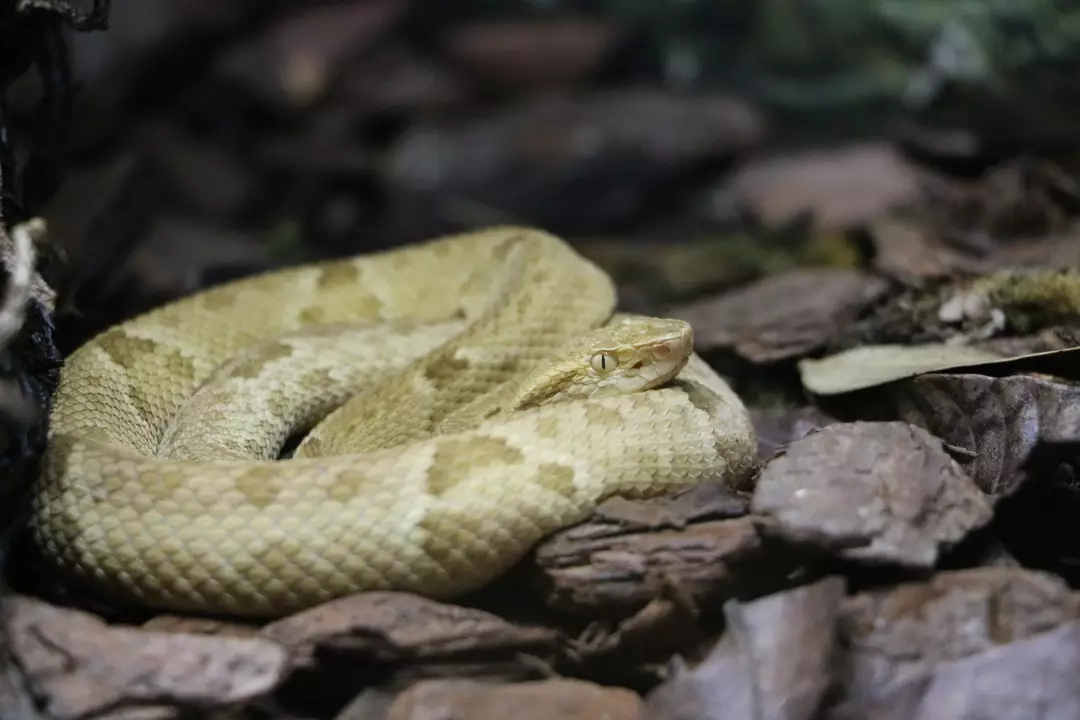
Brazil’s Ilha da Queimada Grande, better known by the ominous nickname ‘Snake Island’, sits off the country’s south east coastline—and the name is as literal as it sounds.
The island is infamously dense with snakes and is the last refuge of an ancient species that persists nowhere else after disappearing from the mainland following the last Ice Age: the highly venomous golden lancehead pit viper.
To protect both people and the island’s rare wildlife, the Brazilian Navy has barred visitors since the 1920s.
Surtsey is among the planet’s newest islands, created by a dramatic undersea volcanic eruption that lasted four years in the 1960s and left scientists with a living ecological laboratory.
Named after the Norse fire giant Surtr, the island is limited to a small group of researchers who stay in a basic hut. The restrictions aren’t primarily about human safety; they exist to prevent physical wear, erosion, and the introduction of outside seeds or organisms that could distort long-term observations of how life colonizes brand-new land.
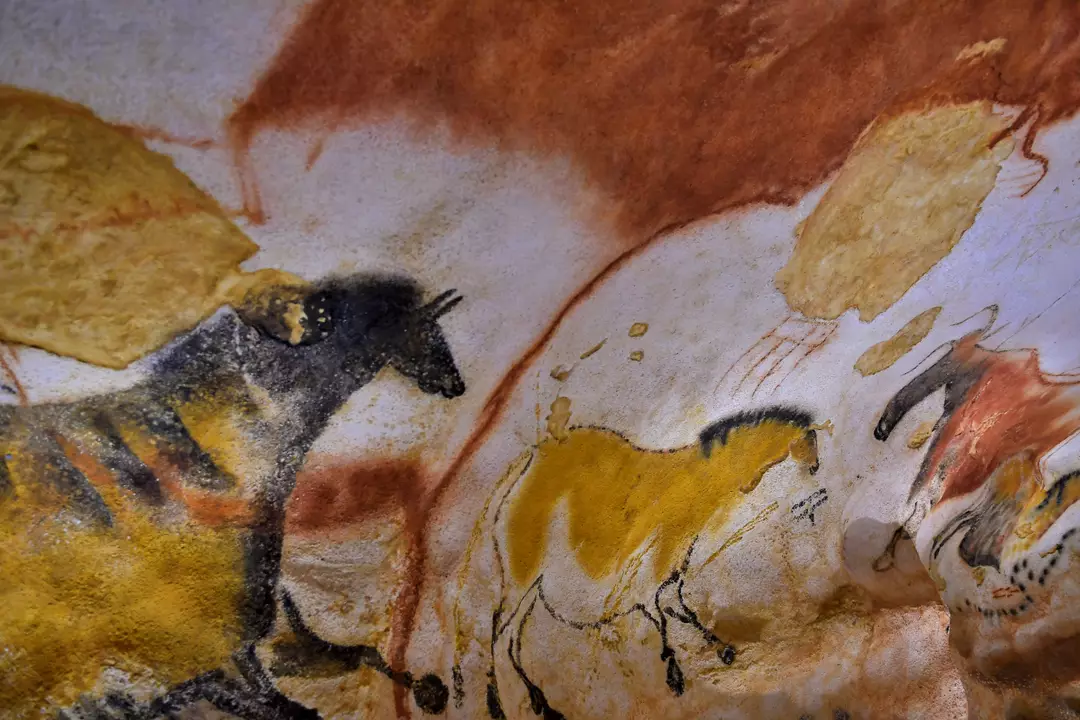
France’s Lascaux caves in Dordogne are also closed to the public, but for a different kind of preservation: protecting an irreplaceable archive of human history.
The cave system contains more than 600 extraordinary prehistoric wall paintings, with some dating back roughly 20,000 years—art created long before agriculture entered human life.
They endured in remarkable condition largely by chance: a landslide sealed the caves, limiting exposure to contamination for thousands of years and helping the images survive with striking clarity.
After their discovery in 1940, the paintings reshaped modern understanding of ancient peoples and their creative abilities. But increased human presence began to harm the environment that had protected them for so long, leading France to shut the caves to visitors in 1963.
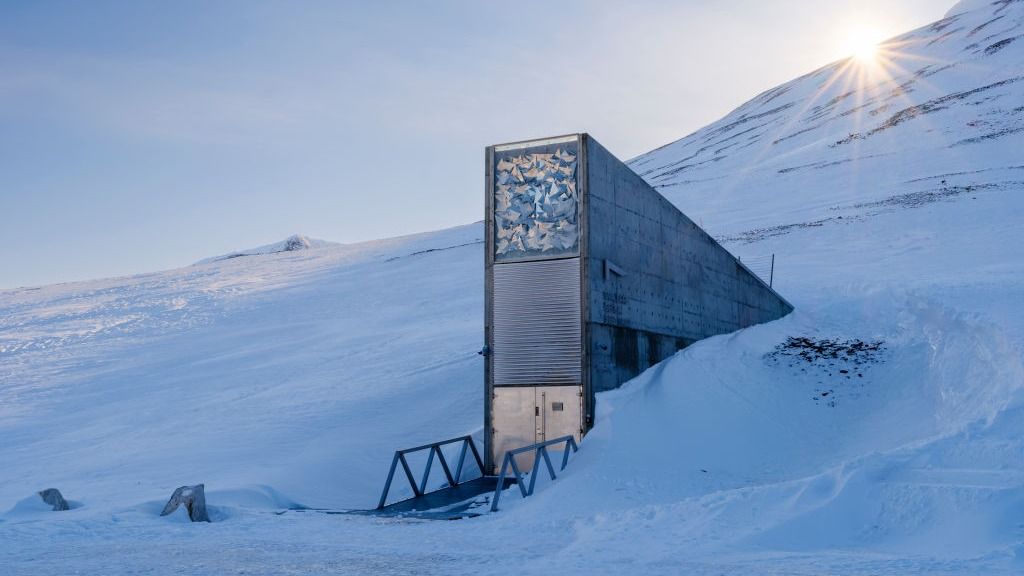
Buried deep in the Arctic, the Svalbard Global Seed Vault—often called the ‘Doomsday Vault’—was built as a backup for global agriculture in case catastrophe disrupts food systems.
Inside are duplicate samples of more than 1.3 million seeds, stored in a facility carved into permafrost at 130 meters above sea level—chosen because it is naturally cold, stable, and designed to withstand disasters that could cripple other repositories.
Security and contamination concerns keep access tightly controlled. The location doesn’t exactly invite lingering, either: it sits within prime polar bear habitat.
The mausoleum of the first emperor of China’s Qin dynasty, built around 200BC, is one of the world’s most significant archaeological sites and is associated with the famed Terracotta Army unearthed in 1974.
Even though the soldiers were found in a complex believed to be linked to the emperor’s main burial site, the central tomb itself remains unopened decades later due to a prohibition on further excavation by the Chinese government.
Multiple factors sit behind that decision, including cultural reverence for burial grounds and troubling evidence from soil samples suggesting extraordinarily high mercury levels—thought to have been used to represent rivers and seas within the mausoleum before it was sealed more than 2,200 years ago.
Disturbing the tomb risks releasing that mercury into the surrounding environment.
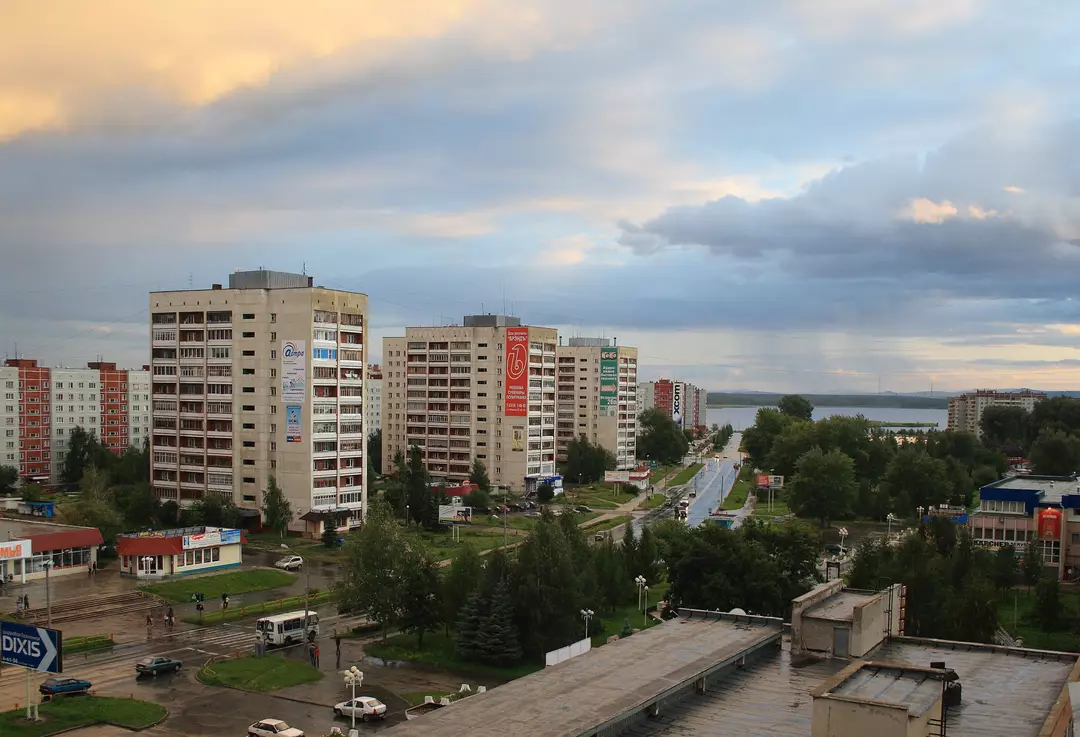
For years, the place nicknamed ‘City 40’ effectively didn’t exist on maps—even though tens of thousands of people lived there. Radiation, however, would have hinted at its presence.
Now known as Ozyorsk, this closed city in Russia’s Ural Mountains was established in 1947 and became a crucial hub in the Soviet nuclear program, producing weapons-grade plutonium among the earliest such efforts in the world.
The environmental consequences were severe: radioactive waste was dumped into the Techa River, contaminating surrounding ecosystems. The danger escalated further after the Kyshtym disaster, when an explosion spread high-grade nuclear waste across roughly 22,000 square miles.
Despite having a modern population of around 80,000, Ozyorsk remains a restricted ‘closed city’, where entry is banned for outsiders and residency is tightly limited to those tied to the nuclear sector.
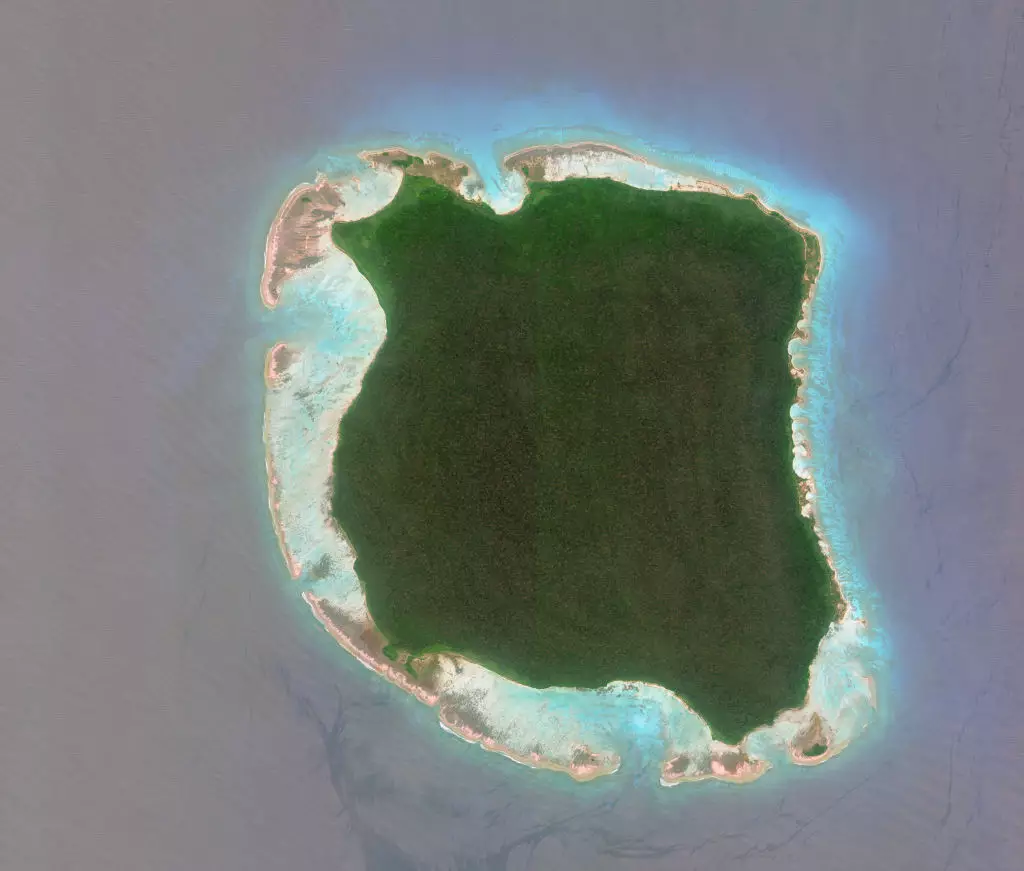
North Sentinel Island, part of India’s Andaman archipelago in the Indian Ocean about 80 miles from Myanmar, is among the most infamous no-go places on Earth.
Several Andaman islands are home to Indigenous Andamanese groups believed to have diverged from nearby Asian populations more than 10,000 years ago as sea levels rose after the last Ice Age.
While some groups have had contact with outsiders since the 1700s, others have consistently rejected it—most notably the North Sentinelese, who are known for firing bows and arrows at those who approach.
The risk became tragically clear in 2018, when American Christian missionary John Allen Chau was killed after paying local fishermen to bring him to shore. No action was taken against the island’s inhabitants, and India continues to enforce a long-standing rule banning anyone from coming within three miles of the island.
Ni’ihau may be the seventh largest island in Hawaii, but it’s not a destination for casual visitors—tourism is largely prohibited to protect both its Native Hawaiian community and rare, endangered plant life.
The island was purchased from the Kingdom of Hawaii in 1864 by Scottish plantation owner Elizabeth Sinclair for what would be roughly $200,000 in today’s money, and it has remained in her family line ever since.
Rather than opening it up for widespread development, the owners have focused on conservation and limiting outside influence. Access is generally reserved for Sinclair’s descendants, invited guests, and the US Navy.
In central Australia, the immense sandstone monolith Uluru rises 1142 feet and extends for more than five miles, making it one of the most recognizable natural landmarks on the planet.
Beyond its geological scale, Uluru (formerly Ayer’s Rock) carries deep cultural significance, with evidence of Aboriginal settlement in nearby areas reaching back to around 10,000 BC.
Because Uluru is interwoven with Aboriginal culture, law, and oral history, control has been returned to Indigenous custodians, and authorities have taken further steps in recent years by prohibiting visitors from climbing it.
Today, travelers can still experience the view—just not from the summit—by using designated viewing areas near the formation.