


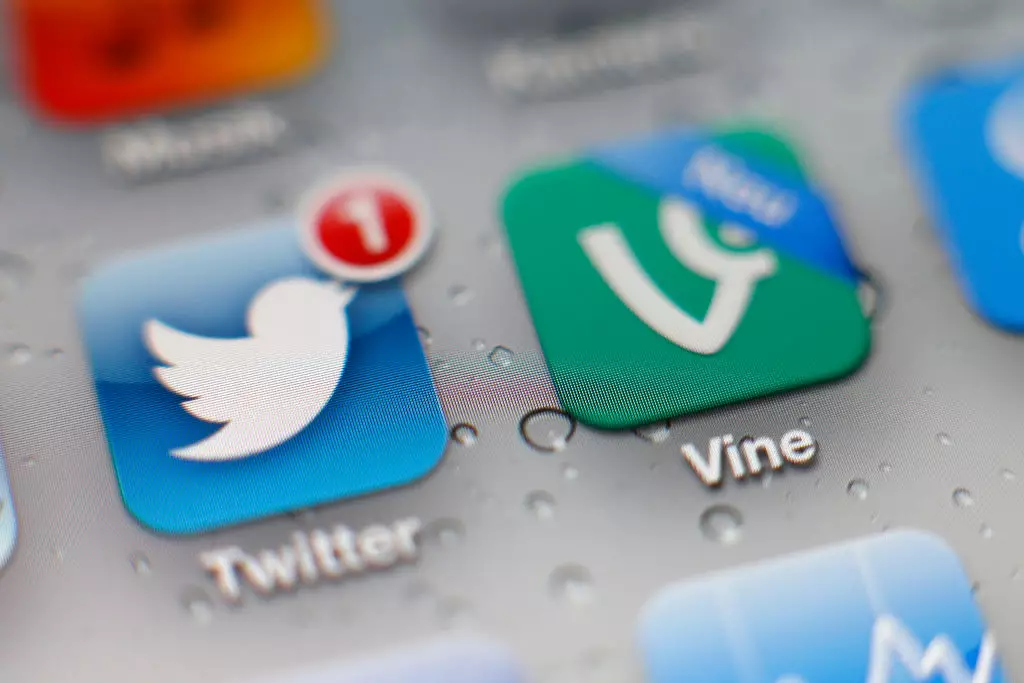
Vine is set to return with a new name and a fresh approach that sets it apart from other social media platforms.
The new app, named diVine, seeks to revive the charm and appeal of its original form. Initially launched in 2012 by Rus Yusupov, Dom Hofmann, and Colin Kroll, Vine quickly became a sensation.
Twitter, led by Jack Dorsey, acquired the app just four months after its launch for a staggering $30 million. Vine played a pivotal role in propelling the careers of internet stars such as Logan Paul, Shawn Mendes, and Lele Pons.
Despite its success, Vine was discontinued in 2017 due to the inability to provide sufficient monetization opportunities for even its top creators.
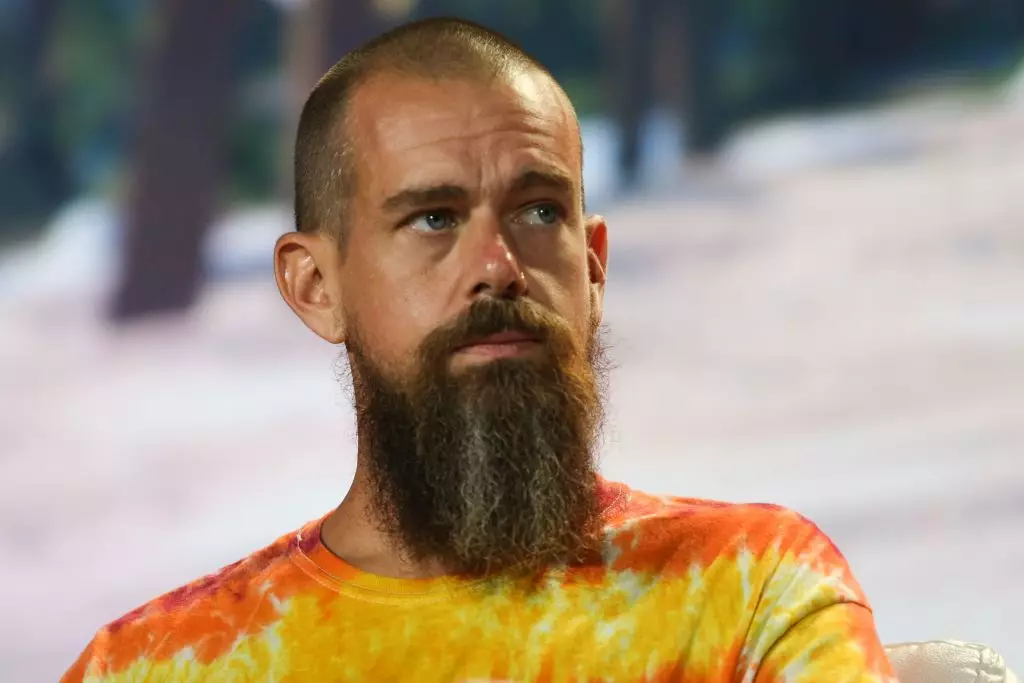
Now, Jack Dorsey has committed $10 million from his nonprofit, And Other Stuff, to support the new venture, diVine. The app is being developed by Evan Henshaw-Plath, also known as Rabble, who was one of the earliest employees at Twitter.
The revival will include the restoration of approximately 10,000 classic Vine videos from its archives, evoking a sense of nostalgia for its users.
One significant feature that distinguishes diVine from its contemporaries is its decision to exclude AI-generated content, emphasizing the importance of human creativity and expression.
This move comes amidst a surge of AI-driven short-form videos encouraged by platforms like OpenAI’s Sora and Elon Musk’s Grok.
In a conversation with the outlet, Rabble expressed his views, stating: “There’s this bulls**t that we’re seeing from Meta and OpenAI and others where they decided that somehow we’re better off with all AI-created social media content. That’s not where social media came from. Social media was social first. It’s about humans and our connection, not just pretty videos.”
Rabble describes diVine as his effort to counteract what he calls the “ens**ttification” of online spaces, a term coined by author Cory Doctorow to describe the decline in quality of online platforms as they shift focus from user experience to profit maximization.
Support for AI-free social media is gaining traction online. Users have expressed enthusiasm, with one stating, “We are soooo back!” while another inquired, “You mean there’s a place I can be free from the assault of pure AI slop?!”
Back in July, current owner of Twitter, Elon Musk, made a promise to bring back Vine “in AI form.” Subsequently, Grok AI introduced its video generation feature, Grok Imagine.

This feature enables users to create short audiovisual clips from text prompts. OpenAI also introduced Sora 2 in September.
The launch date for diVine remains unconfirmed.
This development coincides with ongoing uncertainty surrounding TikTok’s presence in the US. Earlier this year, the platform faced temporary restrictions due to national security concerns related to its parent company, ByteDance. Discussions are now underway concerning a new arrangement that would grant the US greater oversight of TikTok’s American operations.
The outlet has reached out to Meta, OpenAI, and Grok for their comments.