


An autopsy has determined the cause of death for Florida teenager Giovanni Pelletier, whose body was found in a body of water a week after he disappeared.
Pelletier, aged 18, was reported missing after a cousin and two friends picked him up from his mother’s home in the early hours of August 1. The group was heading to his paternal grandfather’s home, a three-hour drive away.
Approximately 30 minutes after departing, Pelletier sent a distressing final text message to his mother, simply stating, “Mom help.” Unfortunately, his mother, Bridgette, was asleep at the time while preparing for a pharmacy exam.
In an interview, Bridgette revealed that she received a voicemail from Giovanni’s paternal grandfather, indicating that a confrontation had occurred and that Giovanni had been left by the roadside in Manatee County, Florida.

Further discussions with relatives revealed that the group had consumed cannabis and allegedly engaged in a fight. The cousin claimed that Pelletier brandished a knife before fleeing, a claim that Bridgette questioned.
Tragically, after a week of searching by law enforcement and family members, Giovanni’s body was discovered in a retention pond, significantly decomposed.
In a recent update, a medical examiner concluded there was no evidence of foul play contributing to Pelletier’s death.
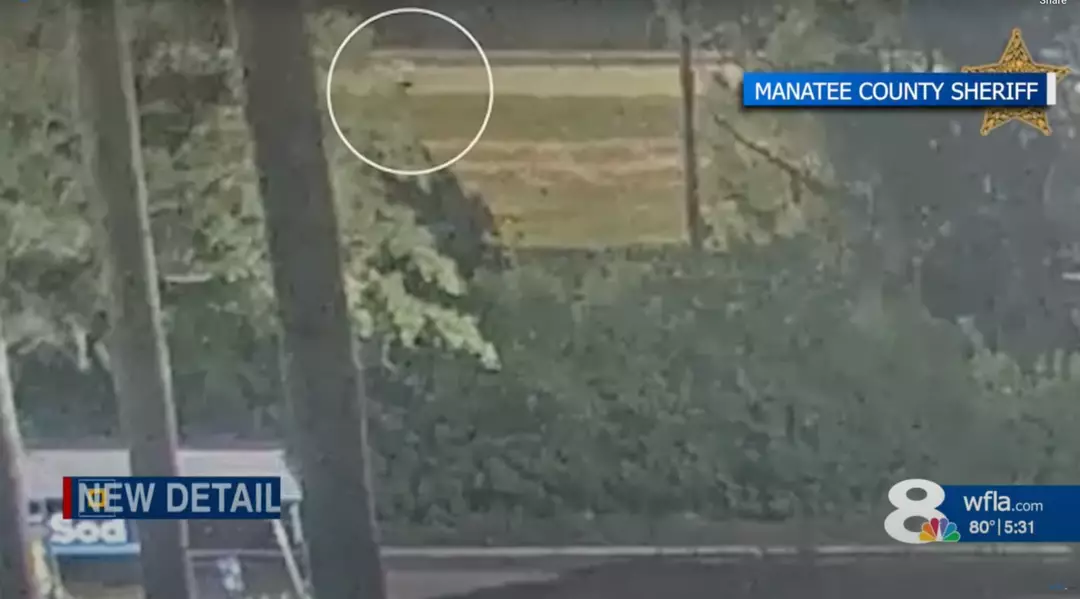
Manatee County Sheriff Rick Wells supported this finding by releasing a video in August showing the teen descending an embankment leading to the retention pond where he was found.
“The important thing that I want you to see — there’s no one chasing him,” Sheriff Wells stated during a press conference.
The autopsy indicated no signs of significant trauma prior to death, although some details were obscured due to decomposition.
The report added that injuries on the body were consistent with alligator scavenging, corroborating reports that an alligator was seen disturbing the remains when discovered on August 8.
Ethanol was detected in Giovanni’s liver, which the examiner noted is typical as a result of decomposition.
Although the report couldn’t definitively explain how Pelletier ended up in the water, it identified an “extremely rare congenital coronary abnormality” that might provide investigators with clues.
While not definitive, the examiner highlighted that this condition is often linked to sudden cardiac events during physical activity.
“Although the contributions of possible toxicologic substances not found during testing, and the coronary artery abnormality cannot be completely excluded, in view of these findings, it is my opinion that the cause of death is most likely drowning,” the examiner concluded.