

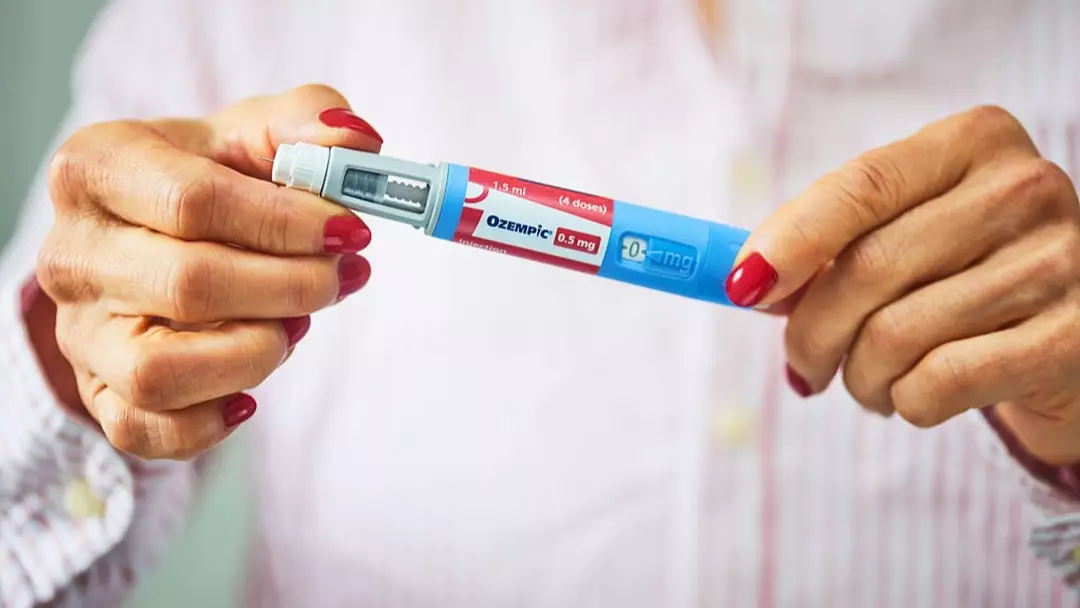
A recent warning has been issued regarding weight loss and diabetes medications due to an increasing number of concerning reactions reported.
GLP-1 agonists, which are injectable diabetes medications, have seen a surge in usage over the past few years.
Semaglutide brands such as Ozempic and Wegovy function by imitating glucagon-like peptide-1 (GLP-1), a natural hormone released in the gut post-meal.
This process helps in managing blood sugar levels, prolongs the sensation of fullness, and consequently aids in weight reduction.
Similar to all medications, weight loss drugs come with potential side effects ranging from gastrointestinal issues to changes in sexual health.
However, a reaction occurring more frequently than anticipated has raised alarms in Australia, leading the Therapeutic Goods Administration (TGA) to issue a warning.
On Monday, the TGA updated safety alerts for this ‘relatively new and high-profile’ class of medications, citing a potential risk to mental health associated with their use.

Research conducted in 2024, which reviewed the World Health Organization’s global database of adverse drug reactions, found that reports of suicidal thoughts were slightly more frequent for semaglutide compared to other diabetes treatments.
As of September, there have been 72 records of suicidal thoughts related to these drugs in the TGA’s Database of Adverse Event Notifications.
The Cleveland Clinic defines suicidal ideation as having thoughts about death or suicide.
This can be passive, where there is no intention to act, or active, where there might be planning involved.
Healthcare providers in Australia are now being advised to carefully observe patients for signs of depression, suicidal ideation, or any atypical mood or behavioral changes.
According to the TGA, clinicians should ‘weigh the benefits and risks for individual patients before prescribing or continuing therapy in those with suicidal thoughts or behaviors.’

Nonetheless, investigations indicate that current evidence does not establish a causal relationship between GLP-1 medications and suicidal or self-harming behaviors.
For example, Dr. Terri-Lynne South, chair of the Royal Australian College of General Practitioners’ interest group in obesity management, mentioned to the Guardian that rapid weight loss, like that from bariatric surgery, could be a significant mental health trigger.
In addition, a separate TGA review on tirzepatide, marketed as Mounjaro, suggested the potential for reduced efficacy of oral contraceptives when beginning or upping the dose of the medication, although this is not confirmed.
Dr. South noted that Mounjaro ‘slows down the digestive process, potentially affecting the absorption of oral contraceptives.’
As a precaution, warnings regarding tirzepatide have been revised. Patients are recommended to opt for non-oral contraceptives or use barrier methods for four weeks at the start of the medication and after any dose increase.
The TGA also reaffirmed that GLP-1 medications should not be used during pregnancy, and individuals of childbearing potential should employ effective contraception while undergoing treatment.
The agency stated it will continue to track safety signals and will ‘take suitable regulatory measures’ if necessary.