


With Christmas approaching, it brings both pleasures and challenges, and a psychologist has recently highlighted an effect it might have on relationships.
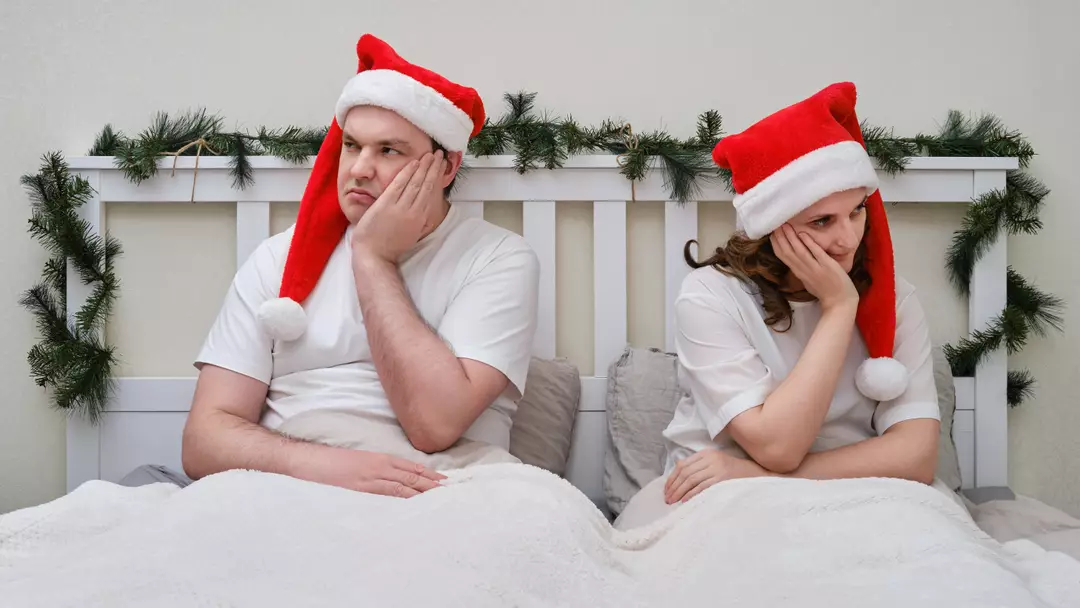
Although Christmas is a time for togetherness, it can also be highly stressful, potentially revealing issues in relationships that have been hidden throughout the year.
Psychologist Rod Mitchell has pointed out the difficulties that the festive season might impose on relationships, including a troubling pattern.
This is not typically seen during the Christmas period itself, but rather in the weeks following, when the festive cheer has waned, and the dreariness of January sets in.
Mitchell, who is a registered psychologist and the founder of Emotions Therapy Calgary, has spoken about an alarming trend he observes annually.

According to Mitchell, the period after Christmas sees a significant increase in couples seeking marriage counseling.
The stress of the holiday season, combined with responsibilities such as taking care of family, children, and possibly increased alcohol consumption, can create a challenging environment.
Mitchell indicates that while these factors may not cause the initial issues, they tend to expose existing ones.
“‘We’re roommates who have sex occasionally, not partners.’ I hear this exact phrase in my therapy office every January,” he noted.
“I’ve seen this pattern for years: couples therapy inquiries spike 200 percent every January. The holidays don’t create problems – they reveal them.”
Studies reveal that approximately 22 percent of married couples in the US consider or engage in couples therapy due to holiday-related stress.
This year, however, there is an extra element that has expedited this annual confrontation.
This is the polar vortex, which is affecting regions of the US during Thanksgiving, another tense period.
“This year’s polar vortex is forcing that reckoning three weeks early,” Mitchell stated. “And based on what I’m seeing in my office right now, most couples aren’t ready.”
Mitchell clarifies that Christmas itself isn’t inherently detrimental to relationships; rather, it’s the prolonged stress it entails.
The season involves shopping for gifts, traveling home, and spending extended time with people whom you may not see often or even get along with well.
On top of this, there’s the task of organizing the day, including food preparation.
These elements contribute to a prolonged period of stress, and unfortunately, it’s often our loved ones who bear the brunt of our frustrations.