


Donald Trump has expressed willingness to reconsider cannabis legislation following the emergence of a previously unknown side effect.
In the United States, cannabis laws are inconsistent, varying by state, and distinguish between recreational and medical use. The drug can be prescribed for chronic pain relief, as a less risky alternative to opioids, and for managing conditions like Multiple Sclerosis or chemotherapy side effects.
However, there is a significant legal distinction between medical and recreational use in the US. Recreational use laws differ greatly among states, with some allowing possession of limited amounts while others have regulations regarding consumption locations.
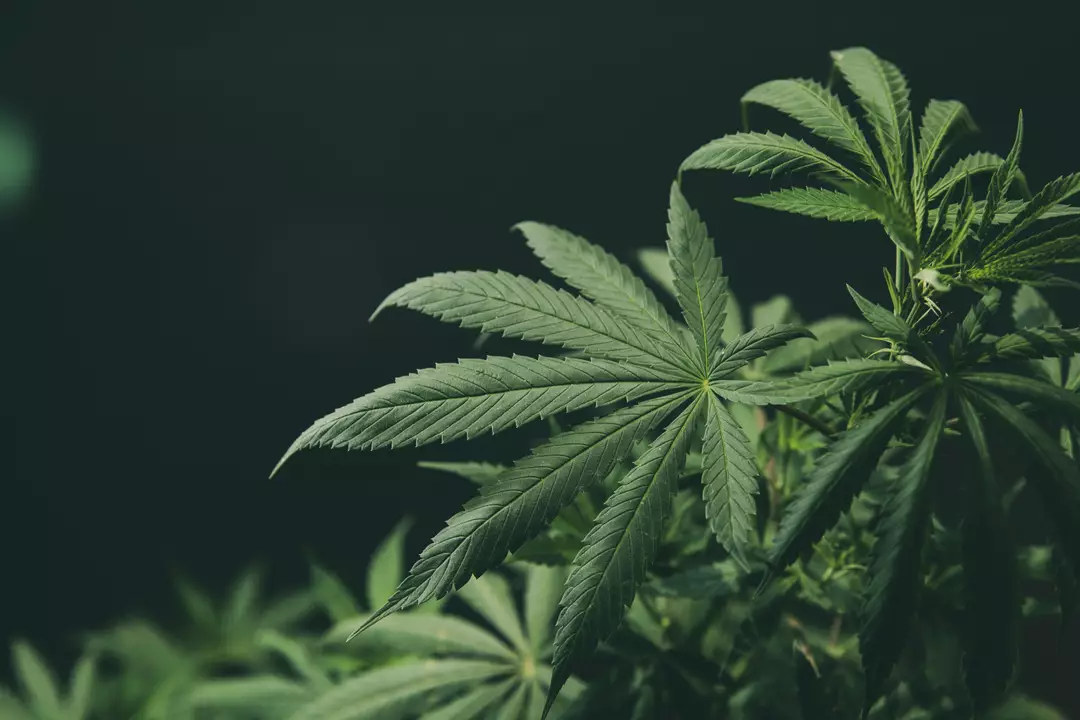
Trump has signaled interest in revisiting US cannabis regulations, admitting the complexity of the topic. In a press conference, he mentioned potential reclassification of cannabis by his administration.
He stated: “We’re looking at reclassification, and we’ll make a determination over the next – I would say, over the next few weeks, and that determination hopefully will be the right one.”
In a rare moment of caution, Trump remarked: “It’s a very complicated subject.”
He further commented: “I’ve heard great things having to do with medical and bad things having to do with just about everything else.”
Federally, cannabis remains illegal in the US as a Schedule I drug under the Controlled Substances Act of 1970. Nonetheless, states have crafted specific exemptions, some allowing medical use and others, like California, permitting possession for personal recreational use.

Trump’s statements have resurfaced as new side effects for regular cannabis users, known as cannabis hyperemesis syndrome (CHS), were identified. CHS can lead to symptoms such as nausea.
According to emergency medicine specialist Dr. Chris Buresh: “Some people say they’ve used cannabis without a problem for decades. Or they smoke pot because they think it treats their nausea.
“It seems like there’s a threshold when people can become vulnerable to this condition, and that threshold is different for everyone. Even using in small amounts can make these people start throwing up.”