

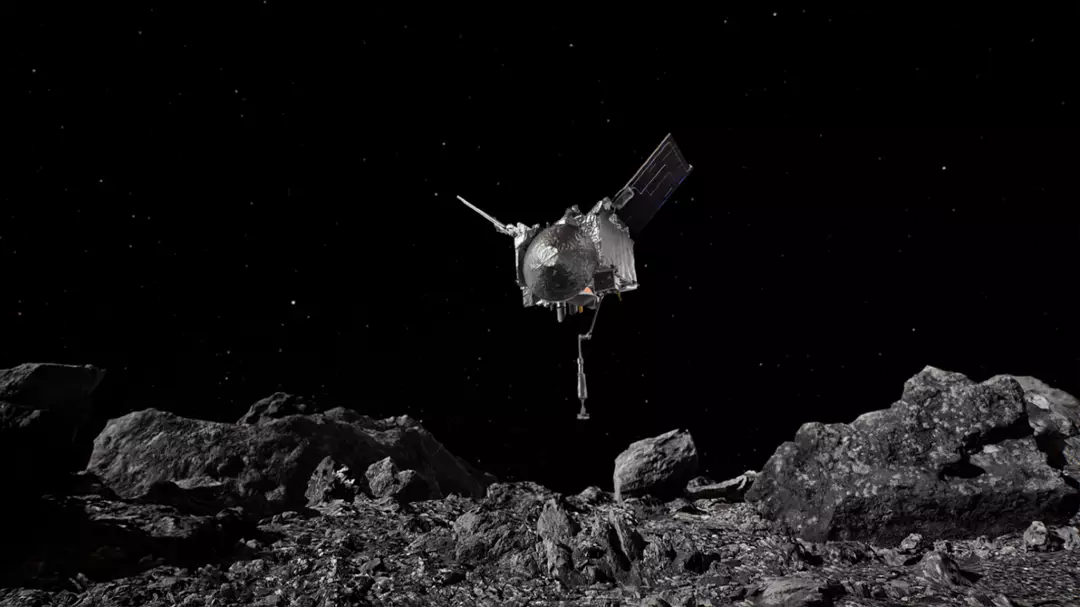
Recent discoveries on the asteroid Bennu provide new insights into the origins of life.
While the focus has recently shifted to the enigmatic comet 3I/ATLAS, which NASA believes to be an asteroid and a Harvard scientist speculates might be an alien probe, let’s not overlook Bennu.
This 500-meter-wide asteroid was previously ranked as the most hazardous of its kind, with a 1-in-2,700 likelihood of impacting Earth between 2175 and 2199.
In 2016, NASA initiated its OSIRIS-REx mission, successfully obtaining samples from Bennu in 2020. These samples, collected from the 4.5 billion-year-old asteroid, were returned to Earth, landing in Utah in 2023. Since then, researchers have been diligently examining them.
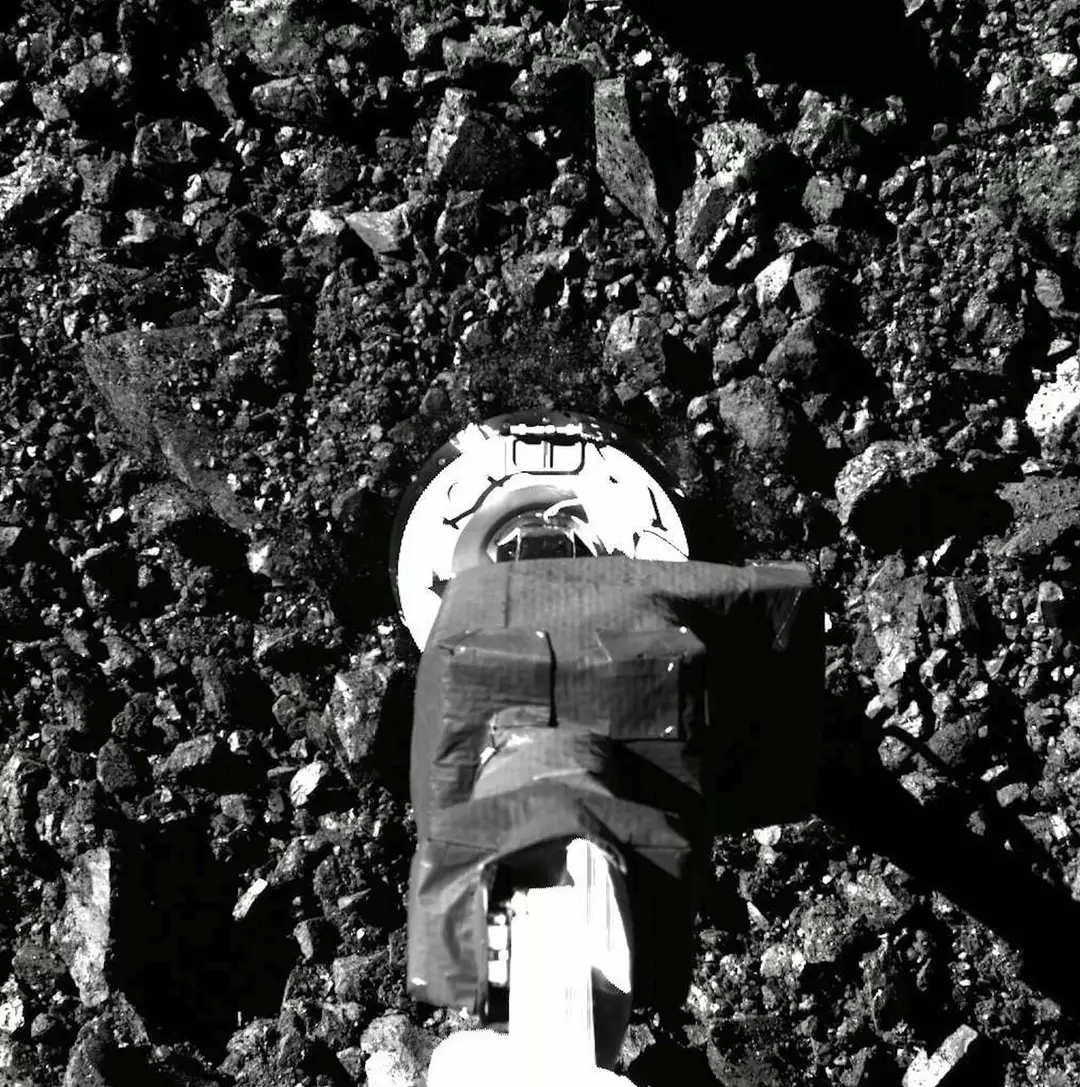
The findings suggest that Bennu offers clues about the formation of the early solar system and hints at the potential for life in other parts of the universe, according to NASA.
Among the discoveries in Bennu was glucose, a six-carbon sugar that serves as a fundamental building block of life. This marks the first instance of such a discovery in extraterrestrial material.
Crucially, the asteroid contains the elements necessary to form RNA, a crucial molecule in all living cells that acts as a genetic messenger. These elements include ribose, a five-carbon sugar, along with amino acids, nucleobases, carboxylic acids, and phosphates.
NASA notes that this indicates many of life’s building blocks were prevalent in the early solar system.
Interestingly, ribose was detected, but the sugar in DNA, deoxyribose, was absent, suggesting ribose might have been more common in early solar system environments.
This supports the RNA world hypothesis, which posits that RNA was the original genetic and catalytic molecule before DNA and proteins emerged.
The presence of glucose suggests that a significant energy source for life on Earth existed in early solar system materials and may have been delivered to our planet by meteorites, aligning with the panspermia hypothesis.
NASA scientist and OSIRIS-REx Co-Investigator Daniel Glavin commented on the discovery, saying, “I’m becoming much more optimistic that we may be able to find life beyond Earth, even in our own solar system.”
He further noted that while the Bennu sample contained all the chemical building blocks necessary for proteins and nucleic acids, there is still no evidence of life itself within Bennu.
“I think this is going to open up a lot of new areas of research for folks to try to figure out why didn’t these building blocks advance to something more complex inside this giant asteroid parent body,” Glavin added.
Thus, it is possible that asteroids and meteorites played a role in seeding early Earth and potentially other worlds with the essential ingredients for life.
It’s a thought-provoking discovery that raises existential questions for many.