


Recent developments in immigration policy have sparked widespread discussion following Donald Trump’s announcement of an immigration freeze.
On Tuesday, December 2, the president declared an immediate freeze on immigration requests from 19 nations, citing plans to “permanently pause migration from all third world countries.” This decision impacts green cards, work permits, and citizenship applications.
The U.S. Citizenship and Immigration Services (USCIS) informed its staff to stop finalizing immigration applications from these countries. The affected nations are Afghanistan, Burma (Myanmar), Burundi, Chad, the Republic of the Congo, Cuba, Equatorial Guinea, Eritrea, Haiti, Iran, Laos, Libya, Sierra Leone, Somalia, Sudan, Togo, Turkmenistan, Venezuela, and Yemen.

On November 26, a shooting incident occurred near the White House, resulting in the death of one National Guard member and leaving another hospitalized. The suspect, Rahmanullah Lakanwal, a 29-year-old Afghan national, faces charges of murder and assault, to which he has pleaded not guilty. Lakanwal entered the U.S. Legally in 2021 under the Biden administration’s ‘Operation Allies Welcome’ initiative.
In response to the attack, USCIS initially halted Afghan asylum and immigration claims, expanding the suspension to include 18 more countries.

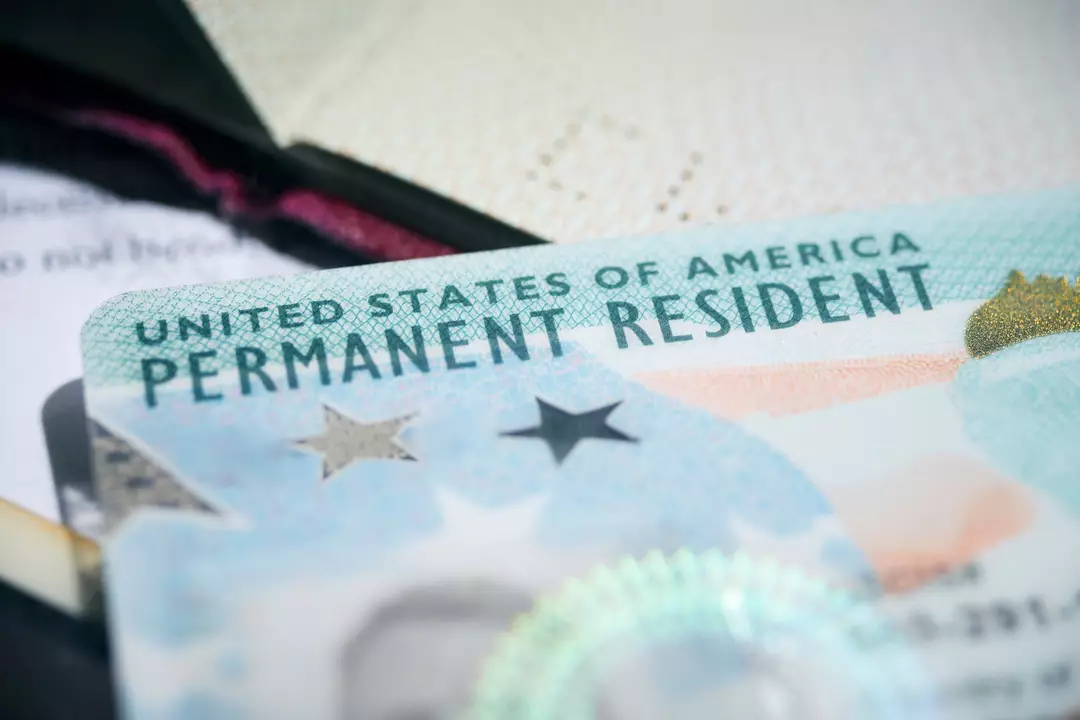
IAS Immigration Law, a UK-based service, notes that green card holders will retain their permanent residency status but may face additional scrutiny. Some individuals might be required to attend further interviews or submit additional documentation if officials identify potential security or eligibility issues.
For those nearing citizenship, the freeze could delay their application process. Reports indicate that interviews and oath ceremonies for individuals from the 19 listed countries have been canceled.
Individuals from the named countries seeking entry into the U.S. Should anticipate extended processing times, thorough application reviews, and potential appointment cancellations.
While Trump possesses significant authority to halt the immigration process for individuals outside the U.S., legal challenges are more likely if he attempts to stop citizenship proceedings for those already within the country.
ISA Immigration Law advises: “The situation is changing quickly, so anyone with an application pending or planning to apply to one of the listed countries should obtain current, personalized legal advice instead of relying on past practices or timelines.”