

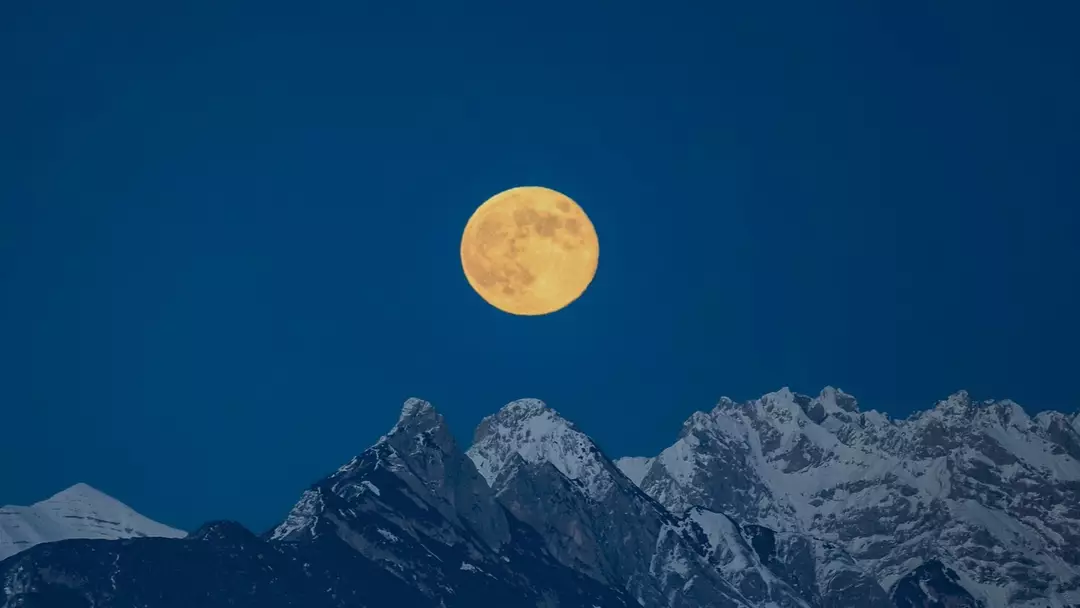
The last full Moon of the year is set to illuminate the sky across the United States tonight, December 4.
In the Northern Hemisphere, the arrival of shorter days, colder temperatures, and longer nights are all indicators that the New Year is on its way.
This year’s final full Moon, known as the ‘Cold Moon,’ serves as another reminder of time’s unyielding march forward.
Enthusiasts of the night sky have the opportunity to observe the supermoon reaching its full phase precisely at 8:13 PM EST.
This marks the third supermoon in a row for 2025, a rather uncommon occurrence.
Supermoons can appear up to 8% larger and about 15% brighter because they occur when the Moon is at its closest point to Earth in its orbit.
The Cold Moon follows November’s Beaver Moon and October’s Hunter’s Moon and will be succeeded by January’s Wolf Moon, which is also a supermoon.
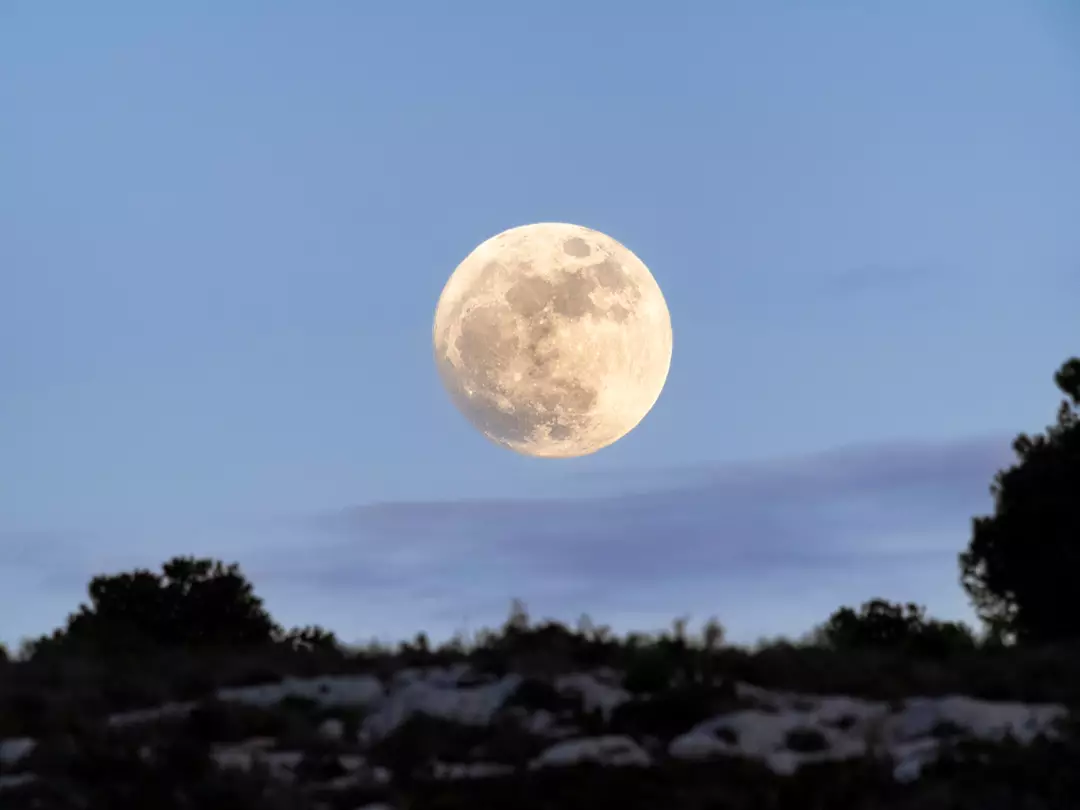
The Old Farmer’s Almanac assigns a distinct name to each full Moon to assist with tracking the seasons.
These names are derived from Native American, Colonial American, and European customs.
The full Moon in December is referred to as the Cold Moon, symbolizing the winter season and its dropping temperatures.
It is also called the ‘Long Night Moon’ because it rises during the year’s longest nights, near the winter solstice, and stays in the sky for an extended duration, as the Almanac describes.
Other names include the ‘Drift Clearing Moon,’ the ‘Moon before Yule,’ and the ‘Moon When the Deer Shed Their Antlers.’
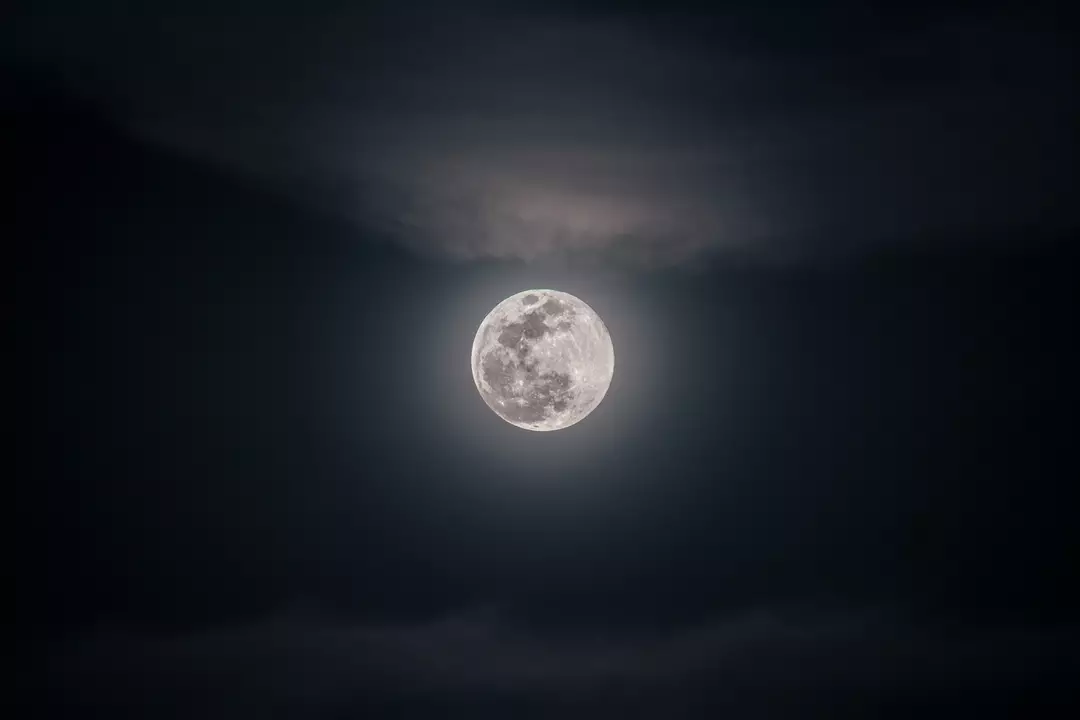
According to Space.com, tonight’s supermoon offers a treat for stargazers for several reasons.
Not only will it appear larger and more brilliant than a typical full Moon, but the Cold Moon might display a slight orange or yellow hue.
This is due to Rayleigh scattering, a phenomenon responsible for the blue sky and red sunsets.
When moonlight passes through Earth’s atmosphere, shorter light wavelengths like blue and violet are scattered much more effectively than longer ones like red and orange. As the Moon sits low on the horizon, its light traverses a greater portion of the atmosphere.
Consequently, the shorter wavelengths are scattered out, leaving predominantly warmer tones to reach our eyes.
This effect can make the Moon appear yellow, orange, or even red, depending on the conditions.
Tonight’s Cold Moon will also appear higher in the sky than usual due to the Sun’s path alterations as we progress toward the Winter Solstice on December 21.