

Netflix has confirmed its intention to acquire Warner Bros. Discovery (WBD) through a ‘definitive agreement’.
This acquisition comes after Netflix outbid competitors such as Paramount Skydance and Comcast, maintaining its status as the largest streaming service worldwide.
A ‘definitive agreement’ refers to the final, legally binding contract that solidifies a business transaction.
In a statement released on Friday (December 5), Netflix announced that the acquisition would not be finalized until after the third quarter of 2026.
WBD, which owns networks like TLC, Cartoon Network, and Boomerang, decided to sell itself in October due to interest from multiple parties.
The deal is valued at an impressive $82.7 billion in enterprise value, which includes debt and subtracts cash to determine the total cost of the acquisition.
The equity value of this transaction is $72 billion, which represents the payment to the shareholders. WBD shareholders will receive $27.75 per share as part of the deal.
Below is a detailed breakdown of the acquisition, outlining what Netflix will own and the next steps in the process.
Netflix has stated that the acquisition will proceed only after WBD divides into two separate companies.
Prior to the acquisition’s completion, WBD will separate several entities into a streaming and studios division, which will then be sold to Netflix.
This will include various assets such as:
Netflix plans to continue Warner Bros.’ existing operations, including theatrical releases, under its new ownership.
The remaining entities will operate independently under Discovery Global and will still be managed by Warner Bros.
This will encompass:
Netflix announced that the transaction was ‘unanimously approved’ by the Boards of Directors of both Netflix and WBD.
However, several hurdles remain before the deal can be finalized.
In addition to separating Discovery Global, the deal requires regulatory approvals, the approval of WBD shareholders, and ‘other customary closing conditions.’
The transaction is projected to close within the next 12 to 18 months.
Netflix asserts that the deal will enhance the entertainment industry by significantly increasing U.S. Production capabilities.
It also claims that consumers will benefit from a wider selection and greater value, gaining access to an expanded library of films and TV shows, while Netflix can develop its strategies and ‘expand viewing options.’
For creators, the merger offers more opportunities to collaborate with major franchises and reach larger audiences globally.
Not everyone shares this optimistic view, however.
Director James Cameron criticized the potential Netflix takeover, deeming it a ‘disaster,’ according to IndieWire.
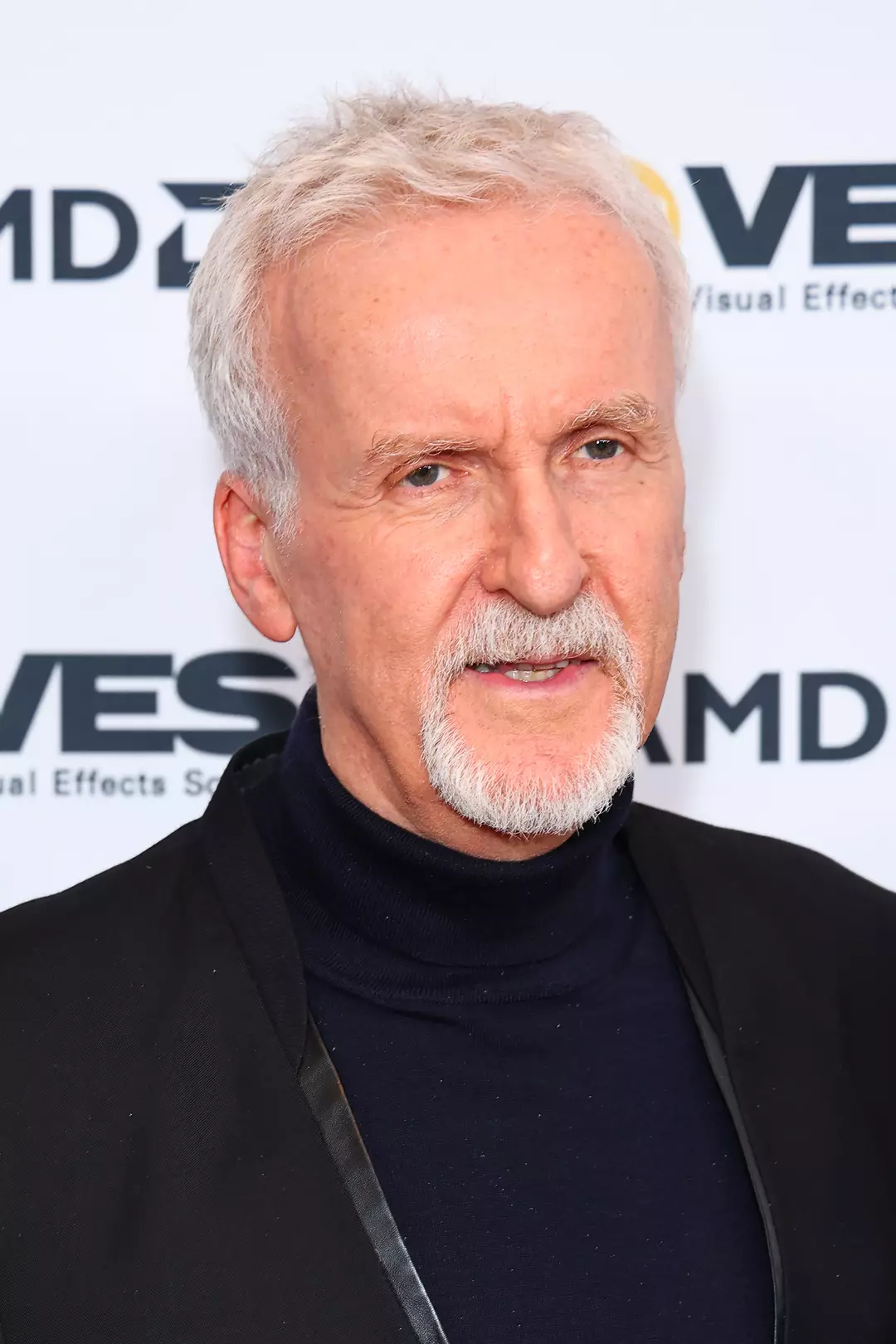
During an appearance on Matt Belloni’s The Town podcast last week, Cameron criticized Netflix CEO Ted Sarandos for previously suggesting that theatrical cinema was ‘dead.’
He argued that Netflix devalues cinema by offering prestige films only limited theatrical runs for Oscar eligibility instead of committing to full releases.
The Titanic director disparaged Sarandos’ promise to honor Warner Bros.’ theatrical plans, labeling it ‘sucker bait’ and accusing Netflix of providing only minimal one-week showings.
Cameron emphasized that films should be designed for theaters and that the Oscars lose significance when awarding films that lack proper theatrical runs.
He suggested that if Netflix seeks awards consideration, it should be required to release films in the traditional manner, across thousands of theaters for a minimum of one month.