


A man who appeared on the cover of a highly successful album as a young child received a surprisingly low payment for his participation.
One might assume that gracing the cover of a legendary hip-hop album would come with a substantial financial reward.
However, this was not the experience for the child featured on the cover of Notorious B.I.G.’s Ready to Die.
While some believed that the child on the album cover was the rapper himself, it was actually another child hired by the studio for the album’s artwork.
The album achieved multiple platinum certifications, selling almost four million copies in the US, and was recognized by the National Recording Registry at the Library of Congress for its cultural, historical, and aesthetic significance.
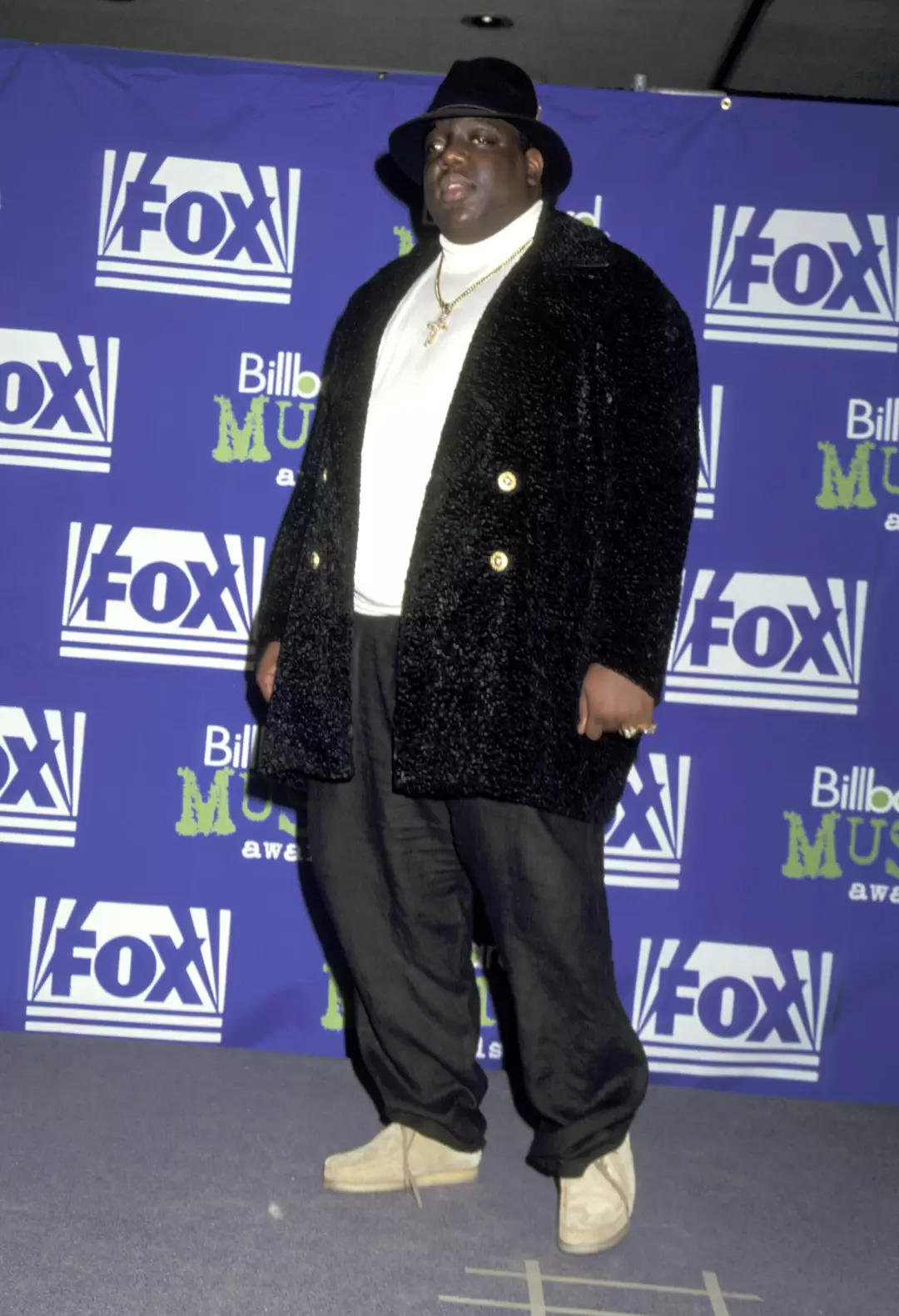
Later inquiries identified the child on the album as Keithroy Yearwood.
Yearwood’s mother, Delicia Burns, brought her son to a casting call for the album cover, providing his baby photos to help with the selection process.
One might expect a successful album to yield a significant fee, perhaps not enough for lifetime financial security, but certainly a substantial amount.
In reality, Yearwood reported that his payment for appearing on the album cover was a mere $150, a one-time fee.
Despite this, Yearwood holds no grudges.
“I just want people to know that’s me. The truth is finally coming out,” he said during an interview, adding: “It’s an honor to be on this album.”
The album’s cover has inspired a series of similar designs over the years.
Artists like Lil Wayne, Kendrick Lamar, and Drake have featured album covers with either themselves as children or other children.
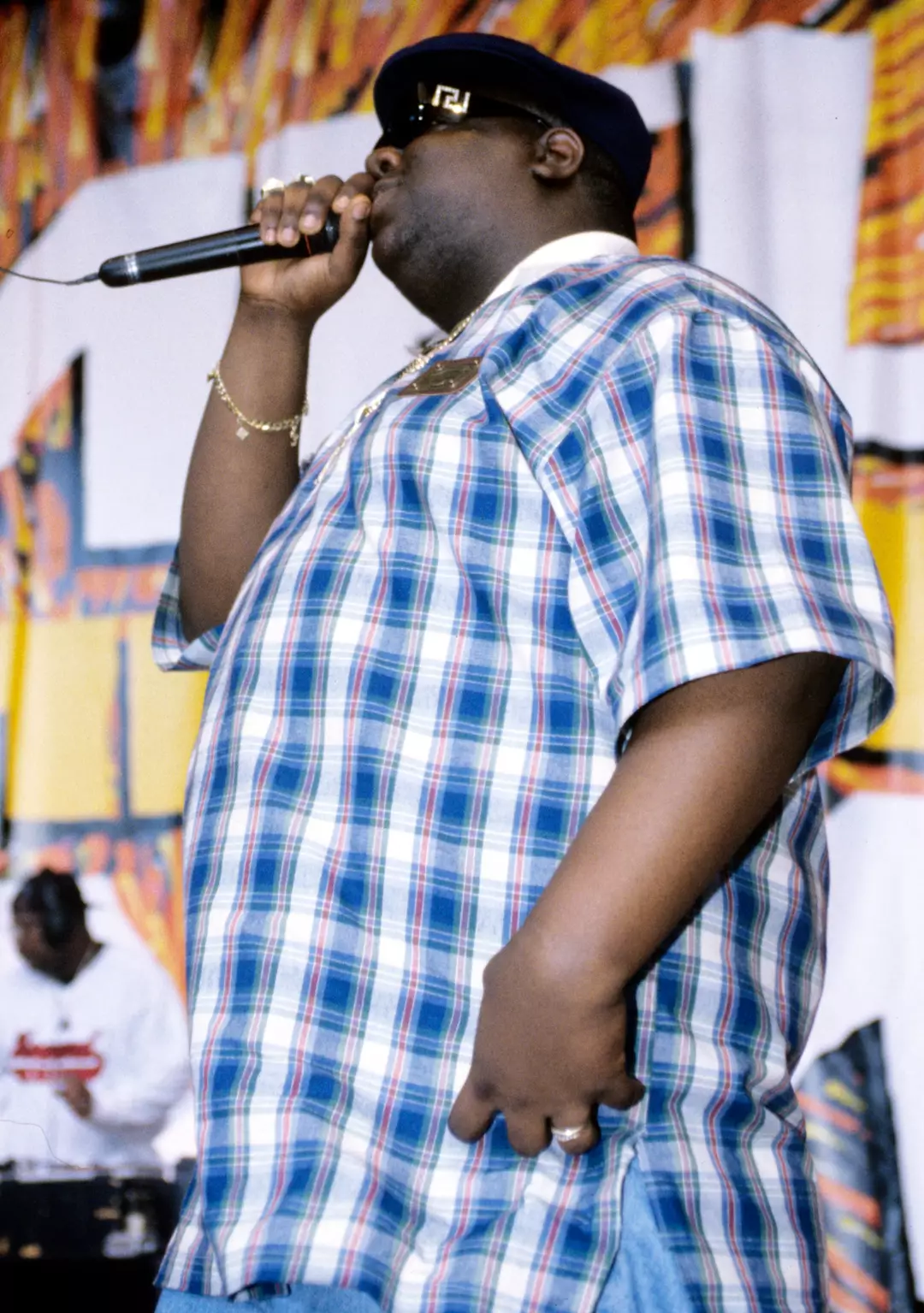
Including children on album covers is not unique to hip-hop; Nirvana’s 1991 EP Nevermind featured Spencer Elden as a baby.
Years later, Elden sued the band over the cover, which depicted him nude in a pool reaching for a dollar bill.
He claimed the image amounted to child sex abuse and sought damages for ‘permanent harm’ and ‘lifelong loss of income-earning capacity’.
Ultimately, a judge dismissed the case, citing the expiration of the 10-year statute of limitations.