

The Christmas season often sees a spike in arrests for driving under the influence, but it’s not just excessive eggnog drinkers who should consider waiting before driving.
Ending 2025 with a DUI could be quite unfortunate, accompanied by a significant fine and an impounded vehicle, which could happen after a festive work party. Many people are unaware that they need to monitor more than just their alcohol intake from drinks.
Many beloved holiday treats can also get you into trouble with the law, as a number of rich and indulgent Christmas foods contain a significant amount of alcohol.
While the cooking process often reduces the alcohol content in many foods, some festive goodies can still affect your balance and potentially lead to failing a breathalyzer test.

This Christmas, travel experts are cautioning drivers about six desserts that might push their blood alcohol content above the 0.08 percent legal limit in many states.
Ash Young, a car cleaning expert at 1dot, warns UK drivers: “It’s obvious and well-documented that drink driving is illegal, with many complying with the rules. But awareness around the amount of booze in foods isn’t as well-known. Although it’s unlikely to push people over the limit, it can sometimes trigger the breathaliser.
“That’s why, especially at Christmas, being surrounded by alcohol-infused foods, it’s important to be aware of the dangers around it – because no one wants to lose their licence over having too many rum truffles.”
Be cautious of these six desserts and treats before driving this Christmas, as you don’t have to exceed the limit to receive a DUI.
Even with any alcohol in your system, erratic driving or dangerous behavior can lead to a drink driving charge – keep these six boozy treats in mind before hitting the road.
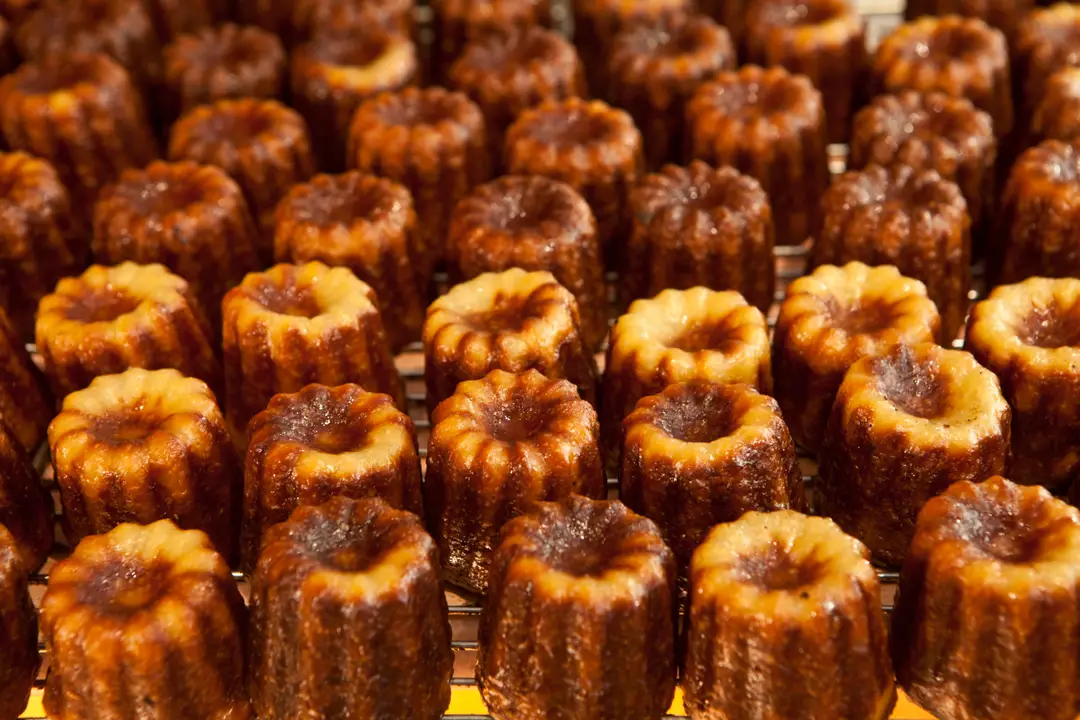
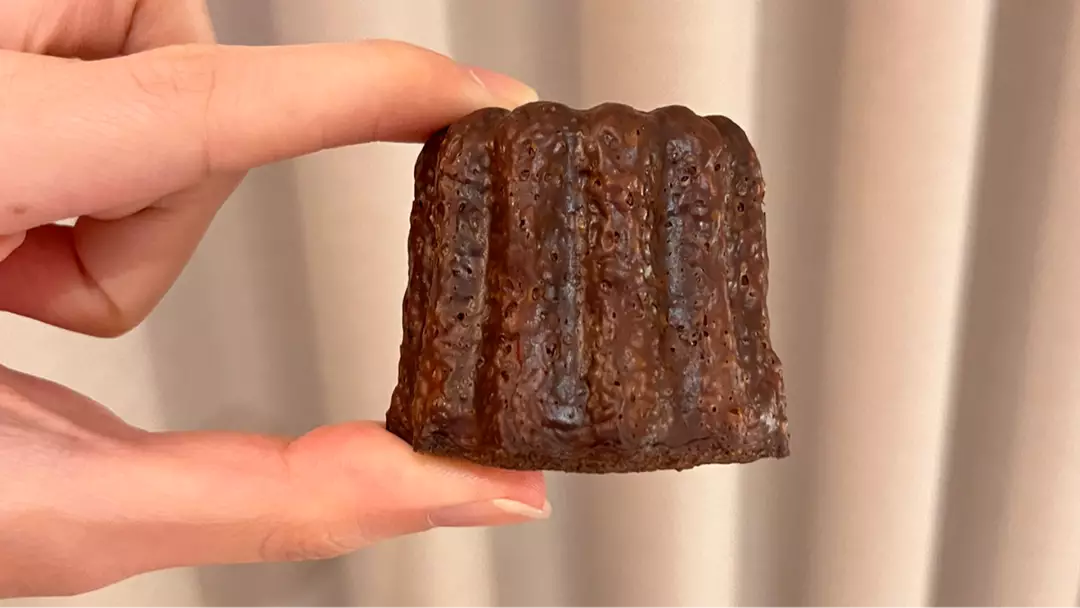
Canelés de Bordeaux are a traditional French dessert with a chewy exterior caramelized in beeswax-lined copper moulds, and a custard-like taste and texture inside. Complementing the vanilla flavors is the dish’s other main element – plenty of rum.
Although you might think the rum would evaporate during baking, alcohol must reach 173F for several minutes to evaporate and can bind to the sugars and fats. Thus, it’s nearly impossible to have a completely alcohol-free dessert, with 25 to 40 percent remaining.
This is why any dessert cooked in wine, such as poached pears, can potentially cause a positive breathalyzer result. Cooking for longer can reduce the alcohol level, but the fruit’s flesh retains a booze content of around 10 percent.
Even the seemingly harmless classic Christmas treat, the mince pie, can be deceptive. While many are alcohol-free, some home cooks and premium producers generously add brandy to the mix.
Overindulging in such pies before getting behind the wheel could result in legal trouble.
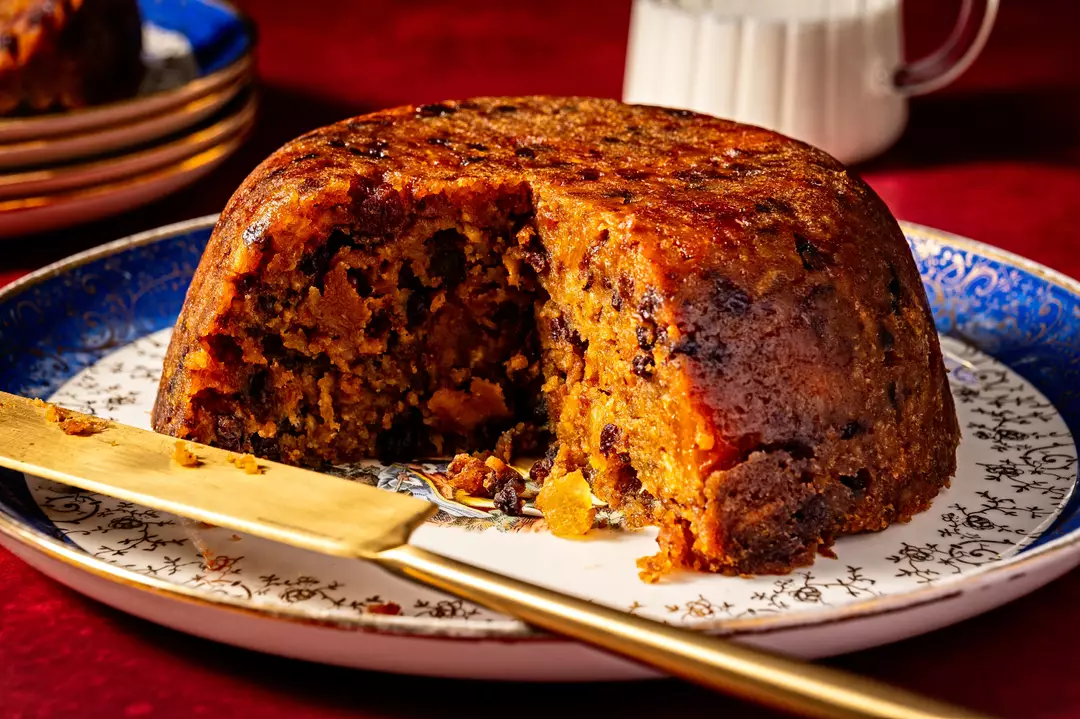
Additionally, you should be careful about consuming too much Christmas pudding if you plan to drive. This is because alcohol is added at nearly every stage of the dessert’s preparation process.
It’s common practice to regularly ‘feed’ Christmas pudding with brandy in the weeks leading up to the 25th. On Christmas Day, many people pour even more alcohol over it, significantly raising the risk of exceeding the legal blood alcohol limit.
Warm pudding not your preference? The English trifle or tiramisu are other popular options, often containing a substantial amount of alcohol. Italians, for example, are known to soak tiramisu in Marsala wine.
The last item on the travel experts’ list of warnings is perhaps the most obvious for those wary of drink driving – chocolate liquors.
Lounging with a tray of Irish cream chocolates after a big meal might seem tempting, but if you plan to drive, it’s best to stay seated.
Car cleaning expert Ash Young suggests waiting ‘at least 15-20 minutes’ after eating before driving or avoiding alcohol-laden desserts altogether if you’re worried about failing a breathalyzer test.