

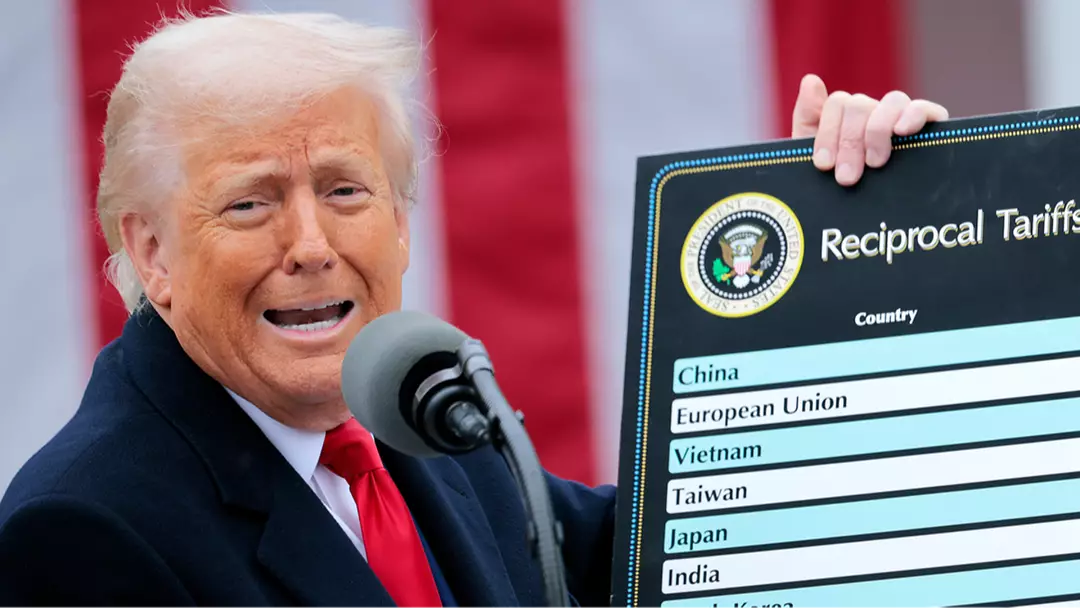
Recent data highlights the global ramifications of Trump’s tariffs.
Since winning the 2024 presidential election, Trump’s policy focus has been on imposing tariffs.
Under his administration, U.S. Import taxes have reached levels not seen since the 1930s.
This has affected U.S. Residents who are already contending with rising living costs, as companies transfer the burden of import taxes onto consumers.
The decision by the world’s largest economy to enforce numerous tariffs on imports and exports has had widespread effects globally, with numerous countries already experiencing the consequences of Trump’s isolationist policies.
Engaging in business with U.S.-based companies has become significantly more costly. Despite some nations negotiating agreements with the Trump administration to mitigate the harshest tariffs, the impact of this policy is evident worldwide.

We’ll start by examining Japan, Switzerland, and Mexico, which have all experienced economic setbacks following U.S. Tariffs.
In Switzerland, the gross domestic product (GDP) decreased by 0.5% from July to September 2025.
GDP represents the total value of goods sold and services provided within an area, so a decrease indicates a reduction in economic activity.
The same trend was observed in Japan, with a 0.4 percent GDP decline, and in Mexico, with a 0.3 percent drop during the same timeframe.
For perspective, all three countries previously experienced GDP growth before the tariffs began to take effect.
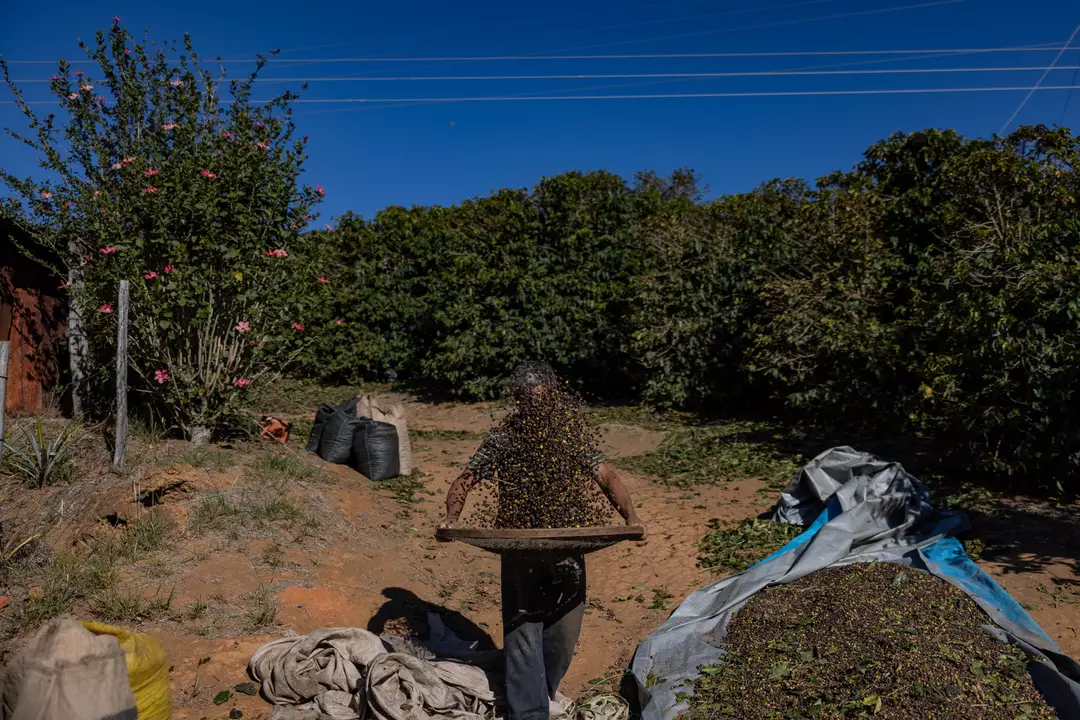
Next, consider the coffee trade, which the U.S. Cannot domestically produce at a scale to meet national demand.
Brazil, the largest coffee exporter, has faced political tensions with the U.S. After Trump criticized the imprisonment of former president Jair Bolsonaro over an attempted coup.
As the U.S. Is the leading buyer of Brazilian coffee, from August to mid-November, Brazilian coffee exports to the U.S. Were subjected to a significant 50 percent tariff, increasing costs substantially.
Coffee is a crucial industry in Brazil, comprising 1.8 percent of its $2.18 trillion GDP and employing around 3 percent of the workforce.
In the first 11 months of 2025, Brazilian coffee exports to the U.S. Dropped by approximately 30 percent compared to the previous year.

Canada’s manufacturing sector has witnessed the loss of approximately 36,500 jobs since the beginning of 2025.
This decline has reduced employment in the sector to its lowest level since September 2021, when the pandemic struck.
In September, Canadian Manufacturers & Exporters noted: “Manufacturing has been among the hardest hit by US tariff actions.”
The job losses coincided with a steep drop in exports to the U.S.