

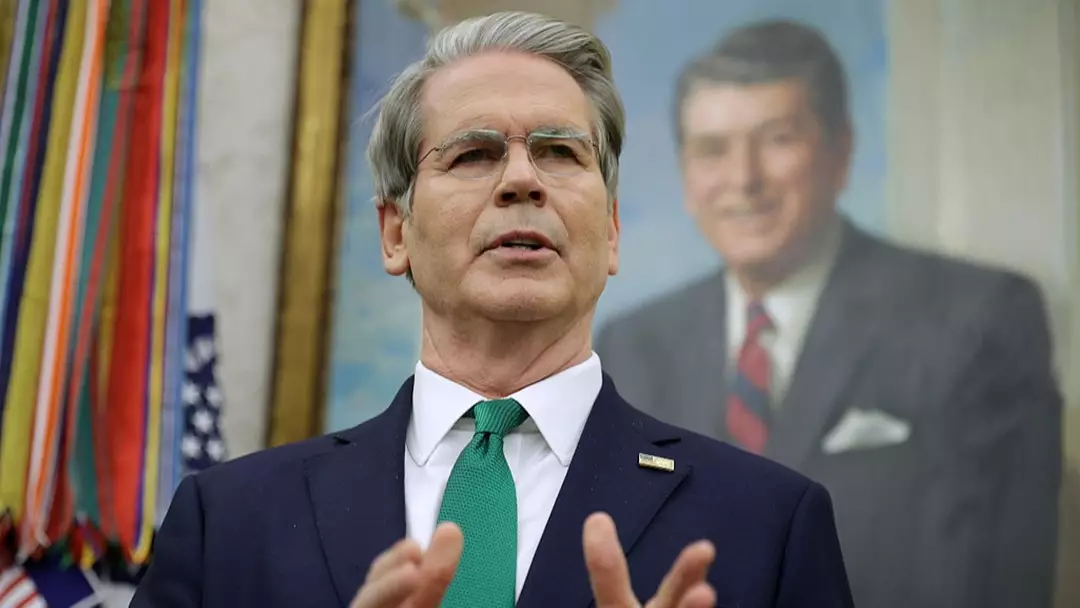
The US treasury secretary has announced the timeline for when Americans might receive ‘refunds’ amounting to up to $2,000.
This initiative is part of President Donald Trump’s key legislative effort, known as the One Big Beautiful Bill, which is primarily aimed at economic reform within the United States.
The bill is expected to bring about significant tax cuts nationwide. This development comes despite Trump’s imposition of substantial tariffs on foreign imports, which have resulted in price hikes and generated economic uncertainty globally.
The One Big Beautiful Bill Act was narrowly passed by a vote of 218 to 214 and was signed into law by Trump on July 4. Recently, Treasury Secretary Scott Bessent elaborated on a specific feature of the bill.
This involves a series of ‘refunds’ that the government plans to distribute to households across the nation, with some refunds potentially reaching $2,000 per household.
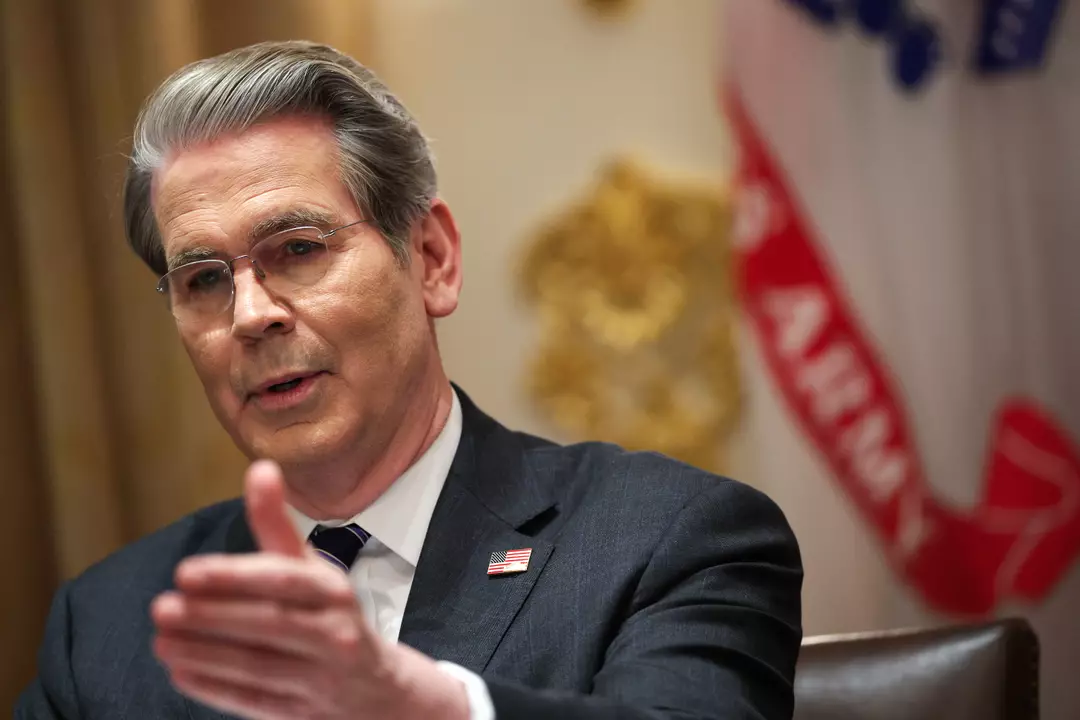
During his remarks on Wednesday, Bessent stated, “I think we’re going to see $100 [billion] to $150 billion of refunds, which could be between $1,000, $2,000 per household.”
He further clarified that the checks for these refunds are anticipated to arrive in the first quarter of 2026.
Trump described the bill as a ‘declaration of independence from a national decline.’
“We had a national decline. We were a laughing stock all over the world. We had a man as president who shouldn’t have been there,” Trump stated previously.
“We really have independence now over the – if you look at it – the overtaxation, where we were being taxed out of our lives, independence from over-regulation, we have independence now from radical-left bureaucrats and independence from the largest alien invasion that I think any country has ever seen.”
The tax refund announcement could offer some respite to Trump, who has been experiencing a downturn in opinion polls on several key aspects of his administration, such as the economy, as the midterm elections approach.
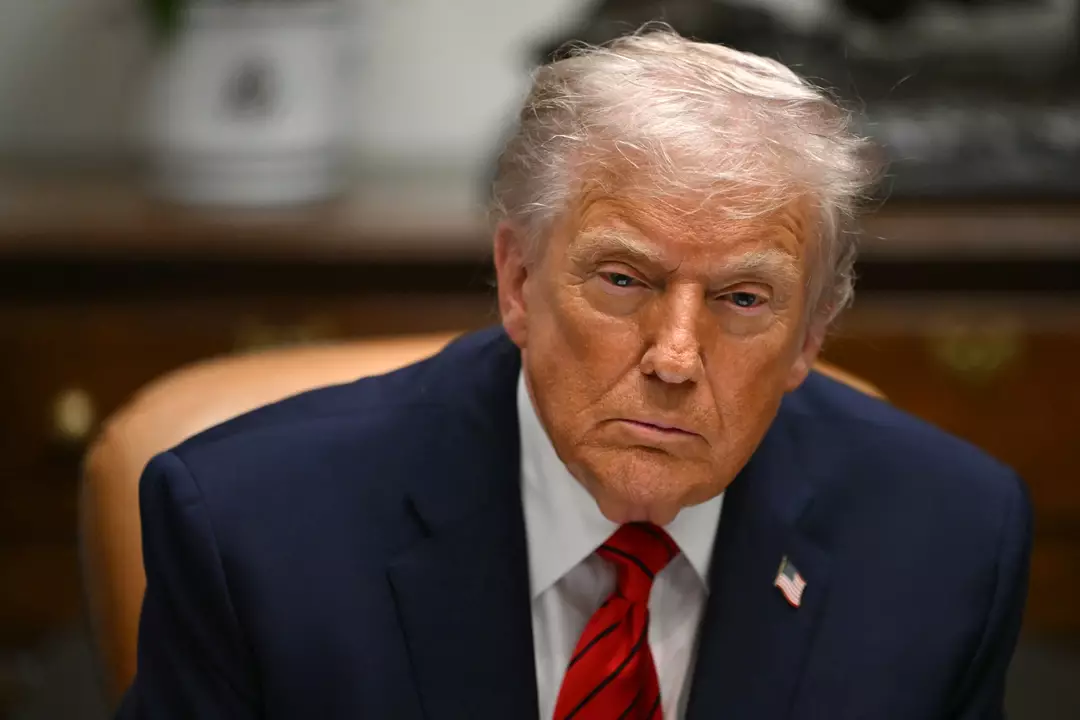
This includes a concerning evaluation of Americans’ confidence in Trump’s economic strategy, with a poll from the outlet-NORC Center for Public Affairs Research indicating that only 31 percent of US adults approve of Trump’s economic management.
This approval rating has declined from 40 percent just nine months ago in March.
Trump is also facing declining support on issues such as immigration, with approval dropping from 49 percent to 38 percent, an area where he previously had stronger numbers.