

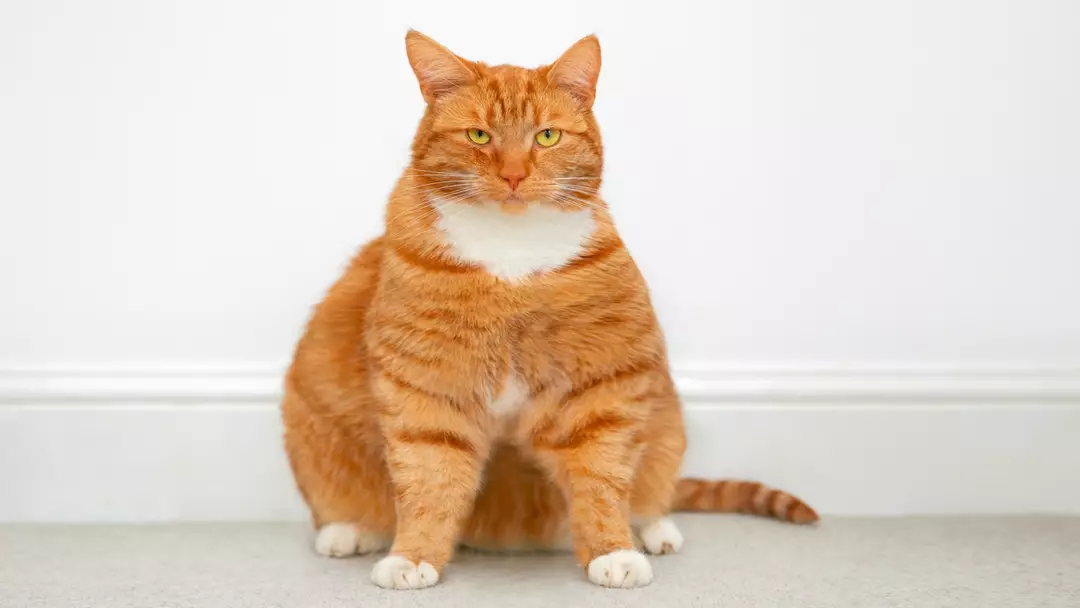
Helping your cat to shed those extra pounds can be quite the challenge. Cats have a knack for sneaking treats when you’re not paying attention or guilting you into giving up on a strict diet with their undeniable cuteness.
This struggle, however, might soon become a thing of the past. A new GLP-1 drug, similar to ‘Ozempic,’ is currently undergoing trials for overweight cats who are having difficulty losing weight.
Unlike human-centric weight loss injections such as Mounjaro, which are administered regularly, the ‘MEOW-1’ treatment is delivered via a long-acting implant, OKV-119, that gradually releases the drug over a span of six months.
It is estimated that more than half of the world’s feline population is overweight. Many cat owners allow their pets to ‘free feed’ throughout the day, partly because cats will persistently meow until their hunger is satisfied.
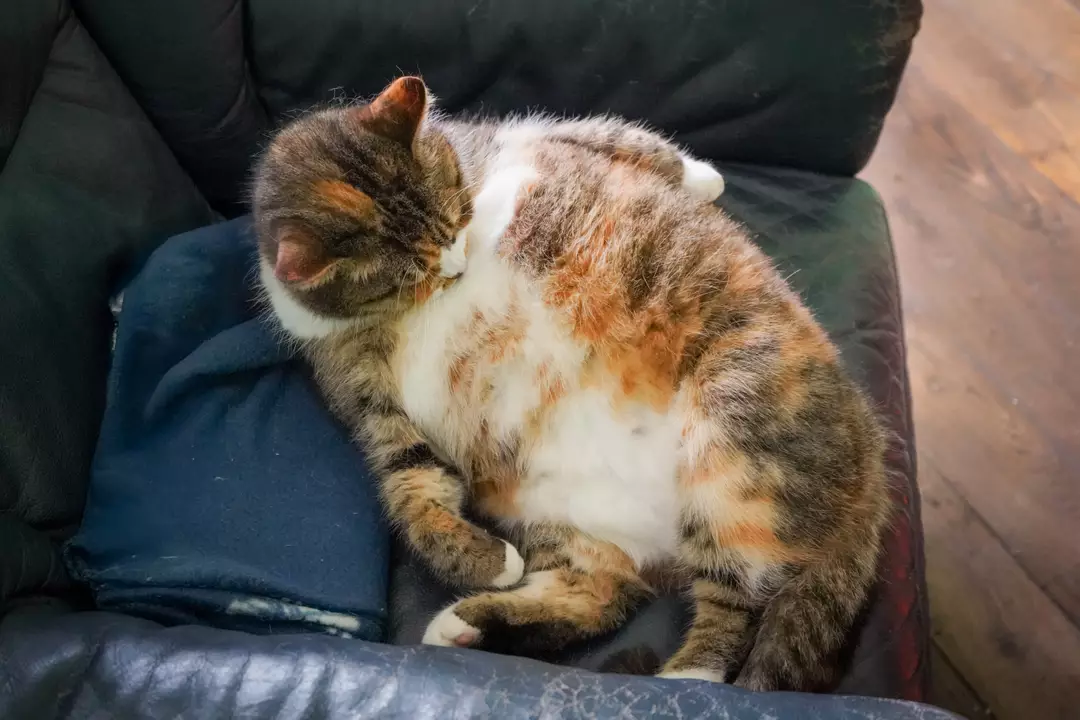
“Caloric restriction, or fasting, is one of the most well-established interventions for extending lifespan and improving metabolic health in cats, but it’s also one of the hardest to maintain,” stated OKAVA CEO Michael Klotsman.
The weight loss medication is in its initial trial phases, with overweight cats already receiving MEOW-1, which stands for ‘ManagEment of Over Weight cats.’
The developer of this novel treatment, San Francisco-based OKAVA Pharmaceuticals, claims that their medication could significantly enhance feline health, improving both their quality and lifespan.
Conditions such as diabetes, arthritis, and kidney disease, along with age-related issues, could be mitigated by this weight-loss medication. GLP-1 drugs have already demonstrated effectiveness in humans, with about 10% of Americans having tried them.
Similar to human weight loss drugs, OKAVA’s pet treatment is a GLP-1 receptor agonist. This means it helps the body produce insulin, regulates blood sugar more effectively, and creates a feeling of fullness faster.
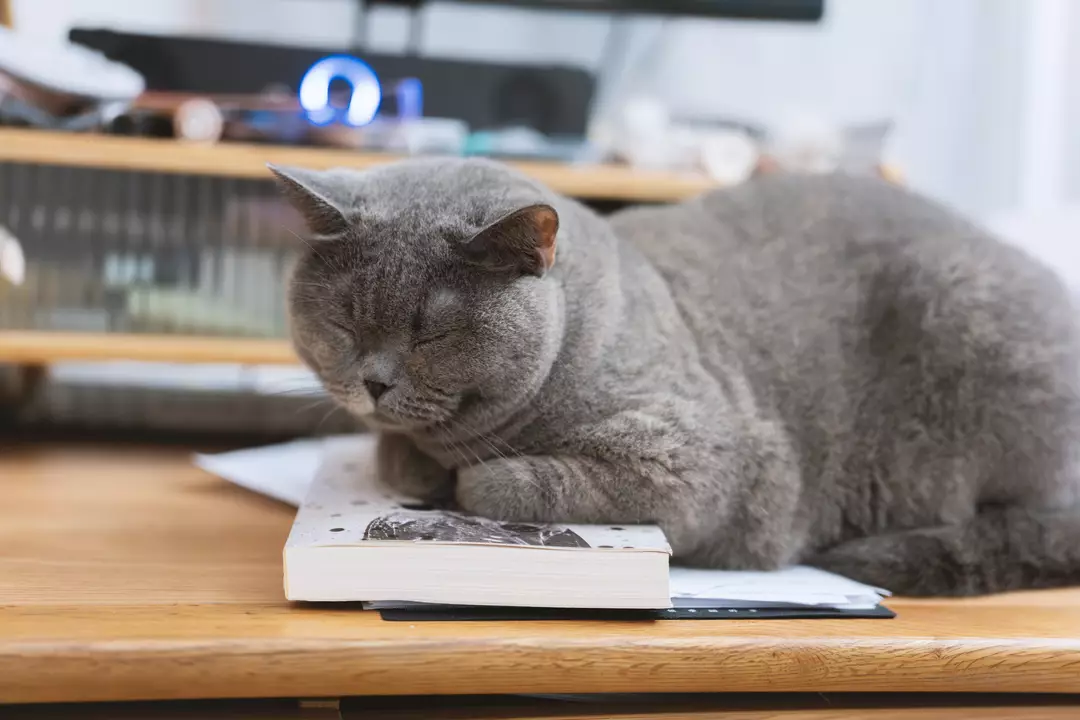
Upon successful completion of clinical trials, MEOW-1 will become available to the public. Cats will then be able to receive a six-month dose from a single vet visit, courtesy of the slow-release implant OKV-119.
The OKAVA CEO added: “OKV-119 is designed to mimic many of the physiological effects of fasting — improved insulin sensitivity, reduced fat mass, and more efficient energy metabolism — without requiring significant changes in feeding routines or disruption of the human-animal bond that often centers around food.”
However, there will be a waiting period before you can transform your cat into an ‘Ozempet.’ The trial is expected to continue for another 12 weeks, and the data must be collected and analyzed before receiving approval from the FDA’s Center for Veterinary Medicine.
In the meantime, you’ll need to find ways to say no to your feline friend and manage their food intake, perhaps by hiding their kibble bowl when it’s not mealtime.