

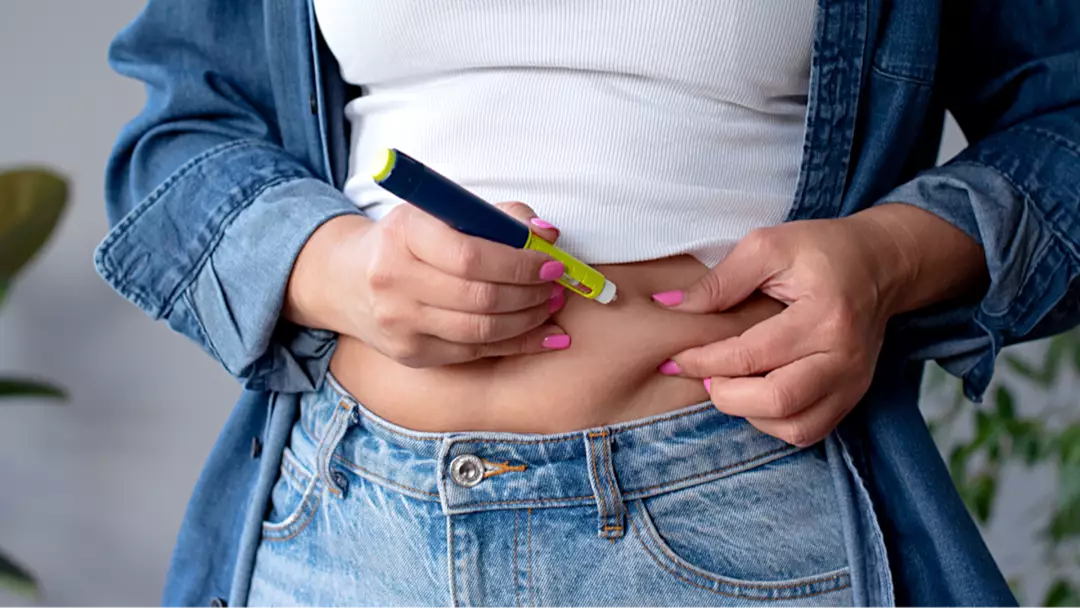
Women are reportedly spending money to address a condition referred to as ‘Ozempic vagina’ by having their genitals repaired.
Originally intended for managing Type 2 diabetes, GLP-1 pens such as Ozempic are increasingly being used by Americans as weight loss aids.
As demonstrated by the transformations of various Hollywood celebrities, it proves to be an extremely effective method for shedding pounds, leading to significant changes like those experienced by Sharon Osbourne.
However, the usage of Ozempic can have a range of consequences, including immediate symptoms like nausea, diarrhea, stomach pain, constipation, and vomiting, as well as longer-term effects such as sagging skin. Additionally, it has been associated with lesser-known side effects termed ‘Ozempic penis’ in men and ‘Ozempic vagina’ in women.
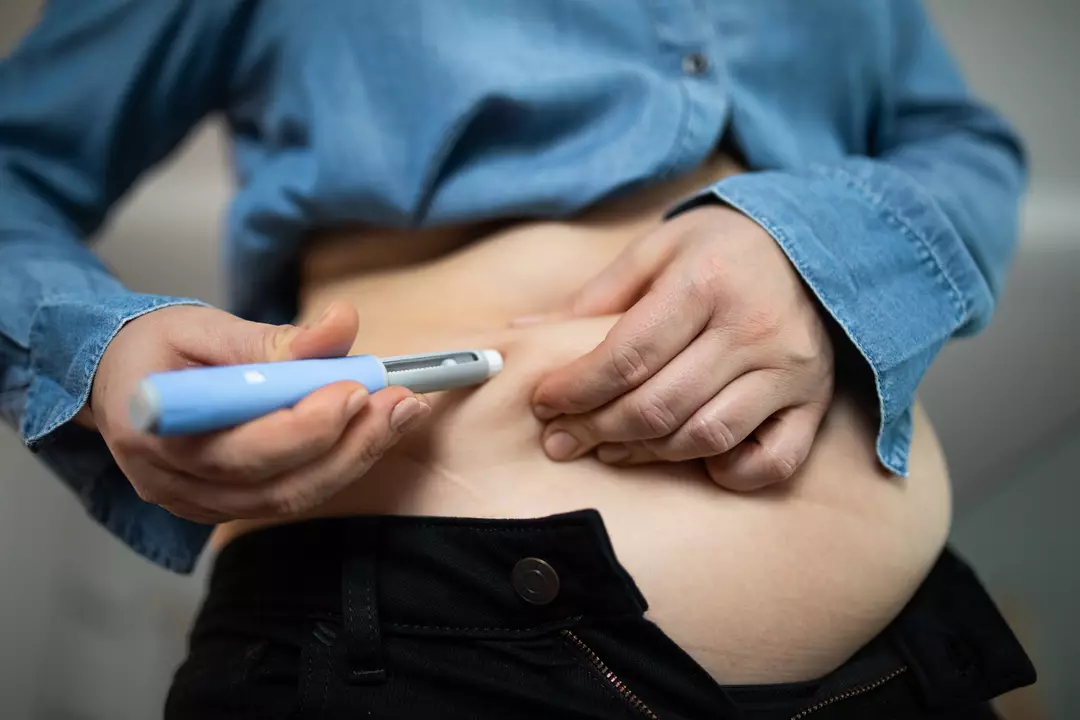
The manufacturers have yet to officially acknowledge this side effect, but medical professionals have encountered reports from Ozempic users who claim to have noticed concerning changes in their genital area.
Numerous women have shared their experiences on Reddit, reporting a loss of their ‘fat pads’ in this sensitive region.
“She [the gynecologist] told me my vulva is saggy and I will continue to experience pain when biking/sitting unless I have surgery or put on fillers,” one user shared.
Dr. Michael Tahrey notes that it is not entirely unexpected for women to experience weight loss around the vulva.
“In some women who take Ozempic, the rapid weight loss that occurs throughout the body may result in visible sagging of the labia or vagina because of overall fat and volume loss,” he explained.
“This sagging is caused by loose labia, loose skin in the vaginal area, wrinkles, or some combination of all three. It’s also common for rapid weight loss to cause the labia to suddenly feel out of proportion compared to how it previously felt.”
Aside from noticeable weight loss, Ozempic may potentially affect other changes, including variations in discharge consistency or color, odor, reduced lubrication, increased vaginal infections, loss of fullness in vulva areas, decreased pelvic floor strength, and alterations to the menstrual cycle.
Women experiencing this issue are reportedly opting for cosmetic surgery, spending approximately $2,000 for vulva fillers.
The procedure, known as labia puffing, has existed since the 2000s and is gaining renewed popularity due to the ‘Ozempic vulva’ condition.
“Labia puffing uses dermal fillers, like hyaluronic acid or fat, to restore volume to the labia majora (the outer lips of the vulva),” explains Dr. Shazia Malik, a consultant obstetrician and gynecologist at The Portland Hospital, to Metro.
“The minimally invasive procedure is designed to enhance appearance by increasing fullness, smoothness, and symmetry.”
She added: “The procedure is most sought after by women looking to regain a youthful, fuller appearance due to age, weight loss, or childbirth.”
Dr. Malik emphasizes that the procedure is a ‘personal choice’ and, like any medical or cosmetic decision, should be approached with careful consideration.
“While it can offer aesthetic benefits and boost confidence, it’s important you seek procedures for your own reasons and not because of societal pressures or unrealistic expectations.”
As mentioned earlier, the procedure is non-invasive, which means it might only require local anesthetic.
The advantage of this is a shorter recovery time and fewer risks compared to procedures like a labiaplasty.
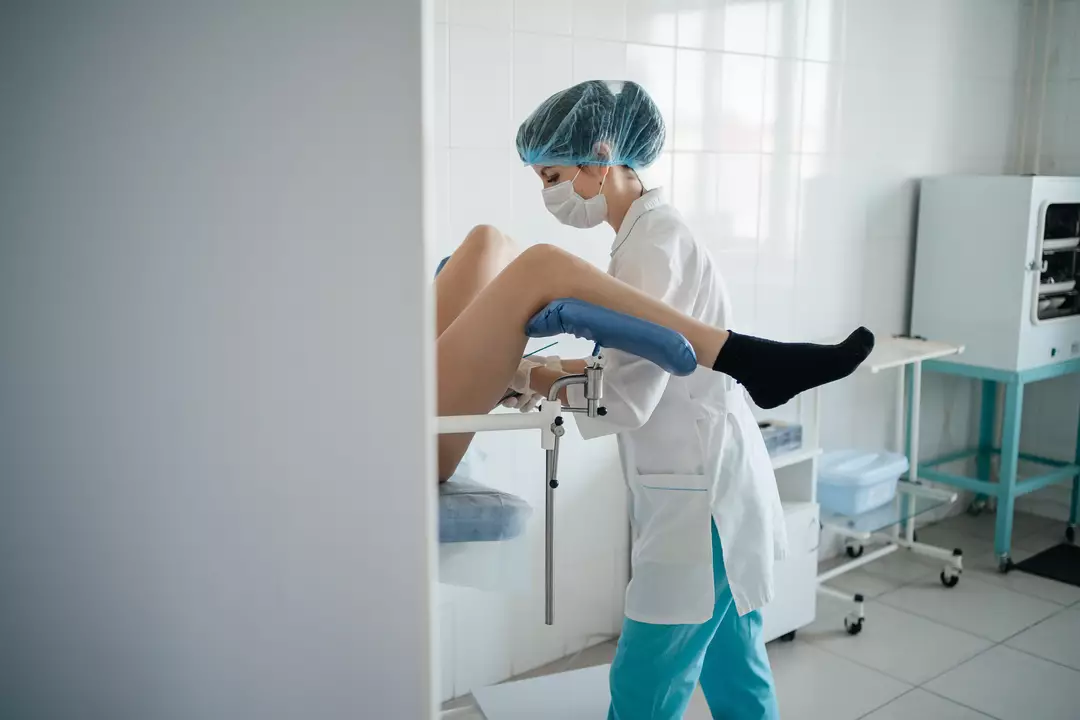
However, while not inherently dangerous, some risks still exist, such as swelling, bruising, and ‘irritation at the injection site,’ she mentioned.
“Allergic reactions to the filler material, though rare, can also happen, and some patients may generally experience mild discomfort.”
There is also the potential risk of overfilling, which could result in a more pronounced, puffed-up appearance than desired.
“In some cases, the filler material could shift or form lumps, leading to an unnatural appearance.”
“There are some more serious complications like infection or damage to surrounding tissues too, but choosing a qualified practitioner can help minimize these risks.”
The outlet Group has reached out to Novo Nordisk, the manufacturers of Ozempic, for a statement.