


A simulation has detailed the catastrophic effects 3I/ATLAS could inflict if it collided with Earth.
This interstellar object was first detected by the ATLAS telescope, funded by NASA, in Chile during the summer months.
Interest has since grown worldwide, especially after Harvard scientist Avi Loeb speculated it might be an unnatural ‘alien’ probe owing to its peculiar characteristics.
The US space agency maintains that 3I/ATLAS is merely a comet, though it is distinctive as only the third known to originate outside our solar system, following 1I/ʻOumuamua in 2017 and 2I/Borisov in 2019.
The comet made its closest approach to the Sun on October 29, 2025, at approximately 203 million kilometers away.
On December 19, at around 1am EST, 3I/ATLAS will make its closest approach to Earth.
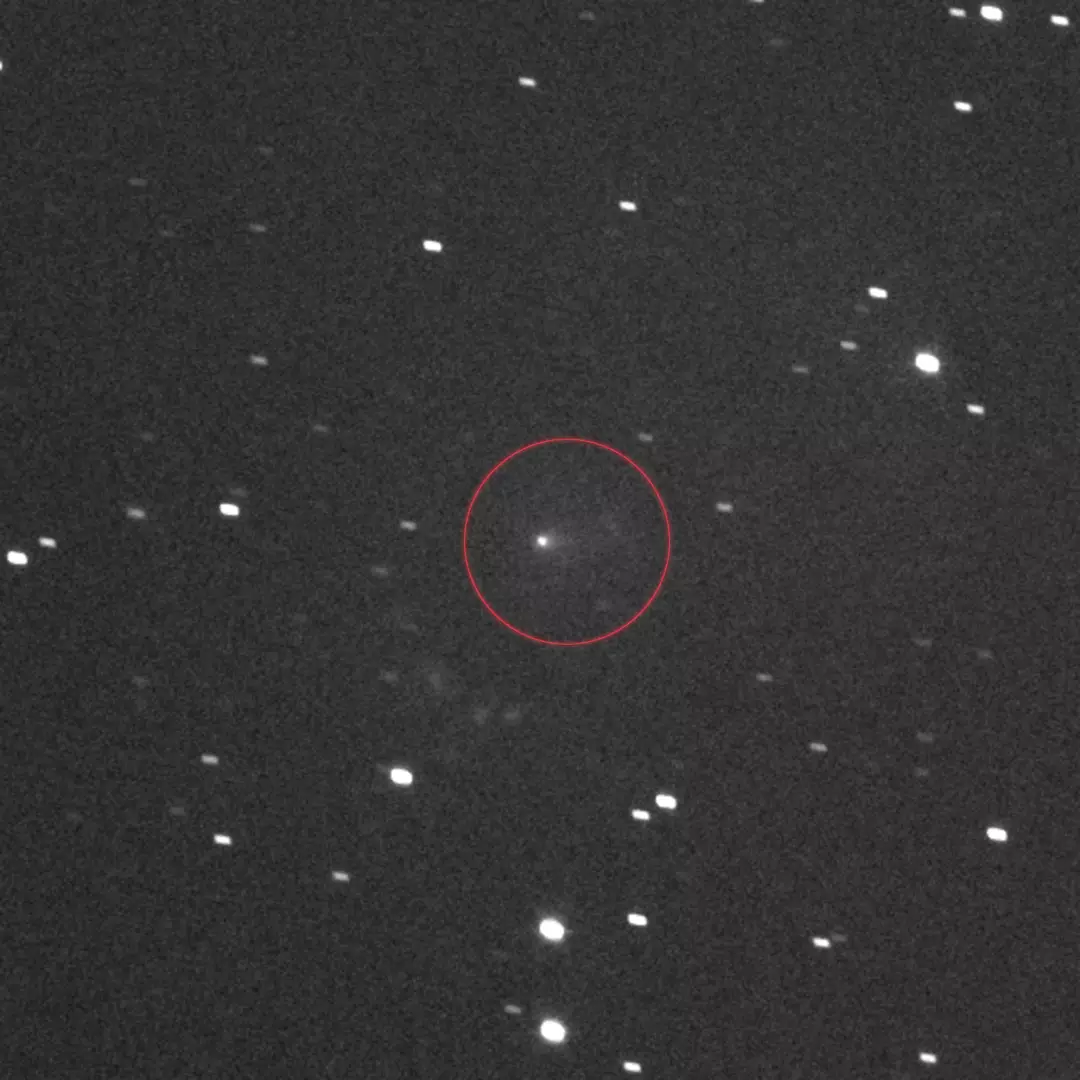
For amateur astronomers, the event can be observed through telescopes as it passes through the constellation Leo.
Alternatively, The Virtual Space Project offers a livestream for those preferring a virtual experience.
NASA has confirmed that 3I/ATLAS poses no threat to Earth. At its nearest, it will still be 270 million kilometers away, making any collision impossible.
The object is slated to continue its journey into deep space, not to return.
However, hypothetically speaking, what would happen if it did collide with Earth? We explored this through a comet simulator.
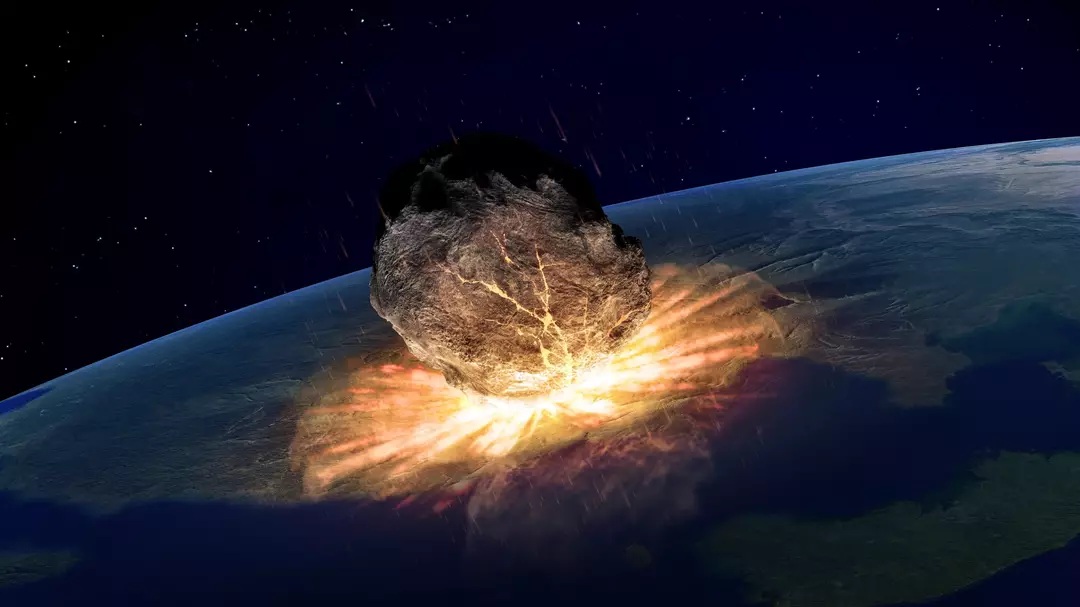
If 3I/ATLAS were to crash into our planet, it would cause unimaginable chaos.
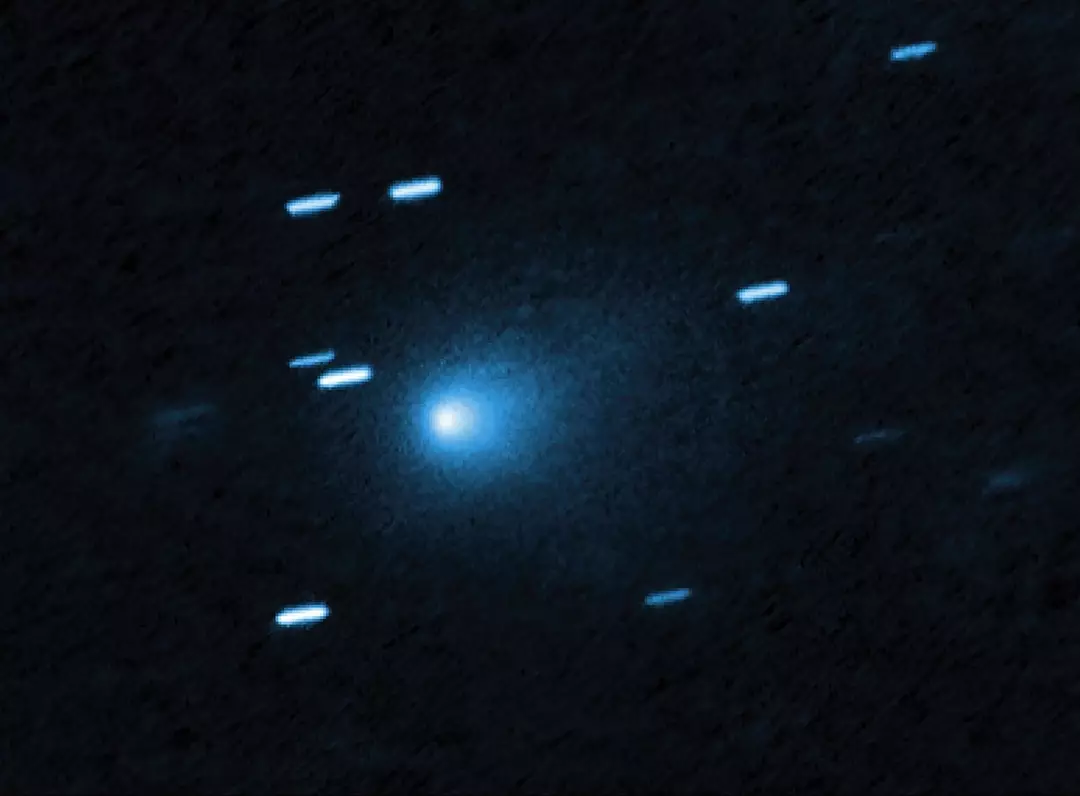
Estimates from NASA’s Hubble Space Telescope suggest the comet’s nucleus measures between 440 meters and 5,600 meters in diameter.
Traveling through our solar system at approximately 221,000 kilometers per hour, it accelerates due to the Sun’s gravitational pull.
NASA projects that 3I/ATLAS will exit the solar system at its entry speed.
Using these details, we input the data into the Neal Fun asteroid simulator.
The simulator has limitations on input values, so we tested with the largest permissible: a 1,500 meter wide comet traveling at 100 kilometers a second, impacting Earth at a 45-degree angle.
We selected Washington D.C. As the hypothetical impact site, and the outcome would be catastrophic.
The simulator indicates the impact would form a crater 27 kilometers wide and 792 meters deep, vaporizing over 1.2 million people.
An impact velocity of 97 kilometers per second would release energy equating to 1,203 gigatons of TNT, surpassing the energy of Yellowstone’s last eruption.
Such an impact could occur on Earth roughly once every 6.3 million years.
The collision would ignite a 69-kilometer-wide fireball, resulting in the deaths of approximately 19.3 million people in the immediate inferno.
About 6.8 million more would suffer third-degree burns, and 10.8 million would endure second-degree burns.
Clothing would catch fire up to 353 kilometers from ground zero, with entire forests combusting as far as 516 kilometers away.
A 252-decibel shock wave would follow, killing an estimated 3.9 million people instantly.
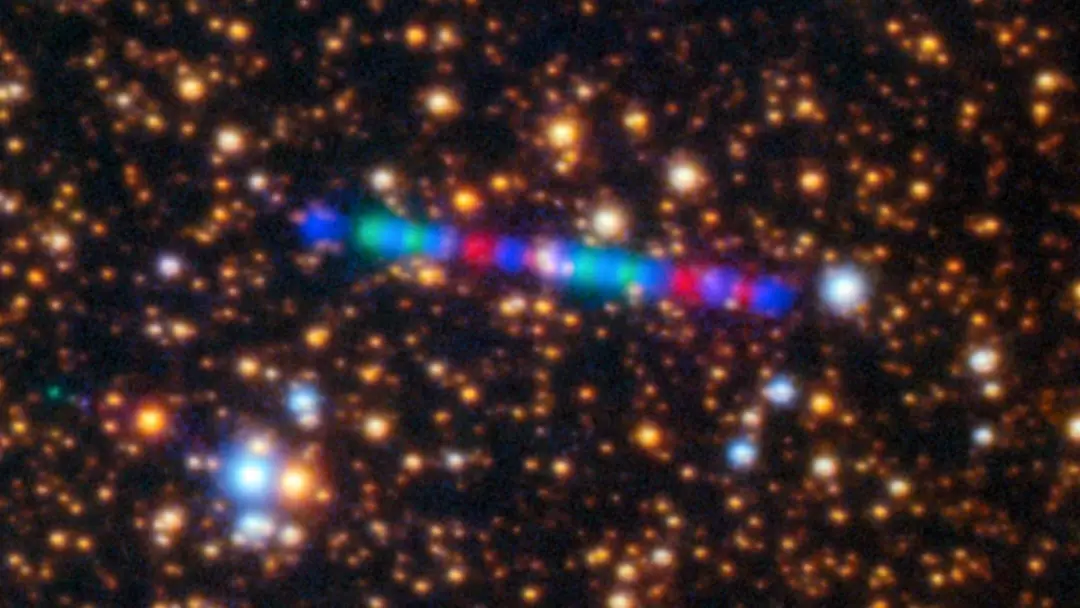
Individuals within 204 kilometers of the impact would likely sustain lung damage, while those within 267 kilometers could suffer ruptured eardrums.
Structures within 464 kilometers would be demolished, with even robust homes collapsing up to 618 kilometers from the epicenter.
High wind speeds from the impact would potentially claim an additional 10.9 million lives.
Moreover, the strike would trigger an 8.5-magnitude earthquake, leading to nearly 200,000 more fatalities and shaking the region for over 500 kilometers.
Explore how your city might be affected by 3I/ATLAS using the Neal Fun simulator here.