

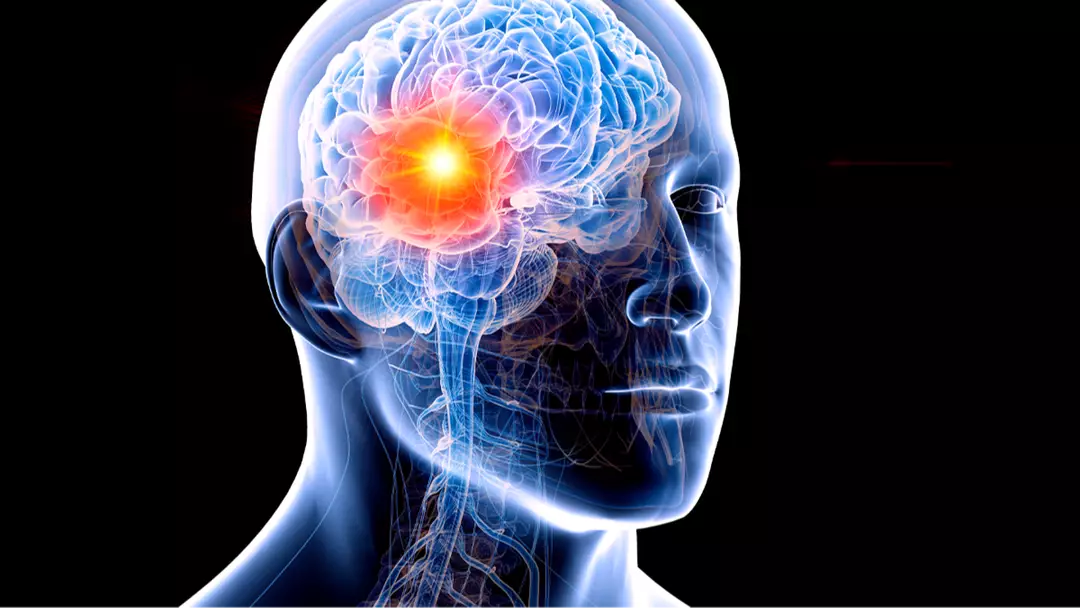
Recent research indicates that combining two widely used supplements could offer a potential treatment for a highly lethal form of brain cancer. Here’s what you need to know.
A study by the Council for Responsible Nutrition (CRN) reveals that about 75% of Americans use dietary supplements, with magnesium, vitamin C, calcium, and iron among the favorites.
The supplement industry, valued at approximately $189.23 billion in 2024, is anticipated to grow to $402.20 billion by 2034.
New findings indicate that two supplements, often used for boosting energy, enhancing immune function, and providing heart benefits, might be effective against glioblastoma (GBM), the most prevalent primary brain tumor.
The Glioblastoma Research Organisation states that the median survival time for GBM patients is only 14.6 months, highlighting its aggressive nature.

Researchers at the Advanced Center for Treatment, Research and Education in Cancer (ACTREC) in Mumbai, India, propose that the combination of two supplements could significantly weaken GBM.
This study challenges the traditional view that cancer must be destroyed rather than healed.
The study, published in BJC Reports, involved 20 GBM patients slated for brain surgery. Half were given a mix of copper and resveratrol.
Doctors then analyzed tumor tissue from all participants, including those who received no supplements.
The analysis showed notable changes in the treated tumors, with a near-total elimination of DNA fragments that cause inflammation.

The findings also indicated sharp reductions in markers of tumor aggression, cancer biomarkers, and immune-checkpoint signals.
“These results suggest that a simple, inexpensive, and non-toxic nutraceutical tablet potentially has the power to heal glioblastoma,” commented Dr. Indraneel Mittra, a researcher and professor at ACTREC. She added, “We have been trying to kill cancer cells for 2,500 years, since the time of the ancient Greeks, without success. Maybe it is time to look at cancer treatment differently and work toward healing tumors rather than annihilating them.
“I believe we may be on the brink of transforming the way cancer is treated.”
Despite the promising results of the copper-resveratrol mixture, researchers acknowledged several study limitations.
One major limitation is the small sample size.
Additionally, the study only assessed short-term effects, necessitating a longer investigation to determine if the supplements could be considered a ‘miracle cure’.
“The public should understand that ours is only a first step, and our findings are based on a relatively small number of patients, which needs replication in larger patient cohorts,” Mittra stated.
The public health researcher cautioned against immediately incorporating copper and resveratrol into diets.
“There may be minimal benefit unless the controlled formulation we designed for our study is used,” he noted.
ACTREC emphasized in a statement that these tablets are ‘not a substitute for established cancer treatments like surgery, radiotherapy, chemotherapy, hormone therapy and targeted therapy,’ which have been proven to provide benefits and cures for a significant number of patients.