

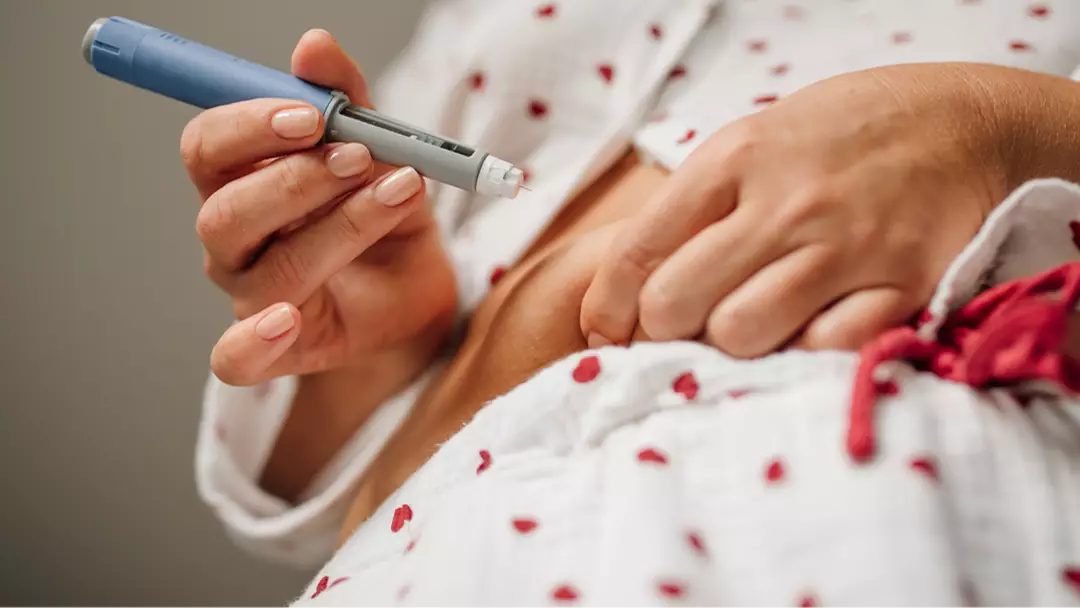
Taking charge of your diet is a crucial aspect of an effective weight management strategy. The advent of weight loss medications such as Mounjaro and Wegovy has made it easier to manage hunger and support weight loss efforts.
Currently, one in eight Americans is utilizing these medications to aid in shedding pounds. However, these monthly injections can be costly without insurance coverage, and their long-term use is still under scrutiny.
A significant challenge for individuals benefiting from these medications, which act by imitating the hunger-regulating hormone GLP-1, is the tendency to regain weight once the treatment is stopped. Dr. Hussain Al-Zubaidi, a lifestyle specialist, cautions that appetite can return intensely, comparing it to an ‘avalanche or a tsunami,’ and provides advice on maintaining weight loss.
Tanya Hall, who experienced a six-stone weight loss on Wegovy, reported to the BBC that discontinuing the drug made her feel “instantly starving,” as if a switch had flipped.
Hall has repeatedly tried to discontinue the medication but found herself returning after a few days due to a dramatically increased appetite. Dr. Al-Zubaidi likens stopping the medication to “jumping off a cliff,” where patients must once again manage their diet independently.
Many users eventually abandon the medication, partly due to side effects such as diarrhea, nausea, and even hair loss, which Hall experienced as her weight decreased.
“I often see patients who will come off it when they’re on the highest dose because they’ve reached their target and then they stop,” Dr. Al-Zubaidi explained.
With 40 percent of Americans classified as obese, these drugs are vital as they can significantly reduce health risks associated with high body weight.
However, research from Stamford Health indicates that most individuals regain weight once they stop the treatment.
Suzanne Rose, PhD, head of research at Stamford Health, stated: “On average, they gained about 60 percent of the weight back within a few months to a year – despite those lifestyle modifications.”

She cautioned: “That can be a devastating thing for the patient to deal with.”
Dr. Al-Zubaidi observes that former users frequently regain a significant amount of the lost weight, estimating a return of “somewhere in the region of 60 to 80 percent.”
He emphasizes the necessity for adequate support following the cessation of medication, advocating for a comprehensive weight-management plan and an environment that fosters a healthier lifestyle.
“The environment that people live in needs to be one that promotes health, not weight gain,” he mentioned, adding: “Obesity is not a GLP-1 deficiency.”
The medicines regulator, NICE, advises that individuals discontinuing GLP-1 medications should receive a personalized action plan to help maintain weight loss and manage appetite. This plan should last at least a year to help the body adapt to life without drugs like Mounjaro.