


A former colleague of Steve Jobs and current Shark Tank judge has shared insights into a career strategy called the ‘signal and noise’ technique, which he learned from the Apple co-founder.
Steve Jobs, who co-established Apple in 1976 with Steve Wozniak and Ronald Wayne, played a pivotal role in turning it into a global icon, particularly with the launch of the first iPhone in 2007.
Among those who had the opportunity to work with Jobs before his passing in 2011 was Canadian entrepreneur Kevin O’Leary. During his tenure at The Learning Company, a US-based educational software firm, O’Leary collaborated with Jobs on integrating Mac computers into schools nationwide.
During this period, Jobs imparted the concept of ‘signal and noise’ to O’Leary, who is now 71 years old.
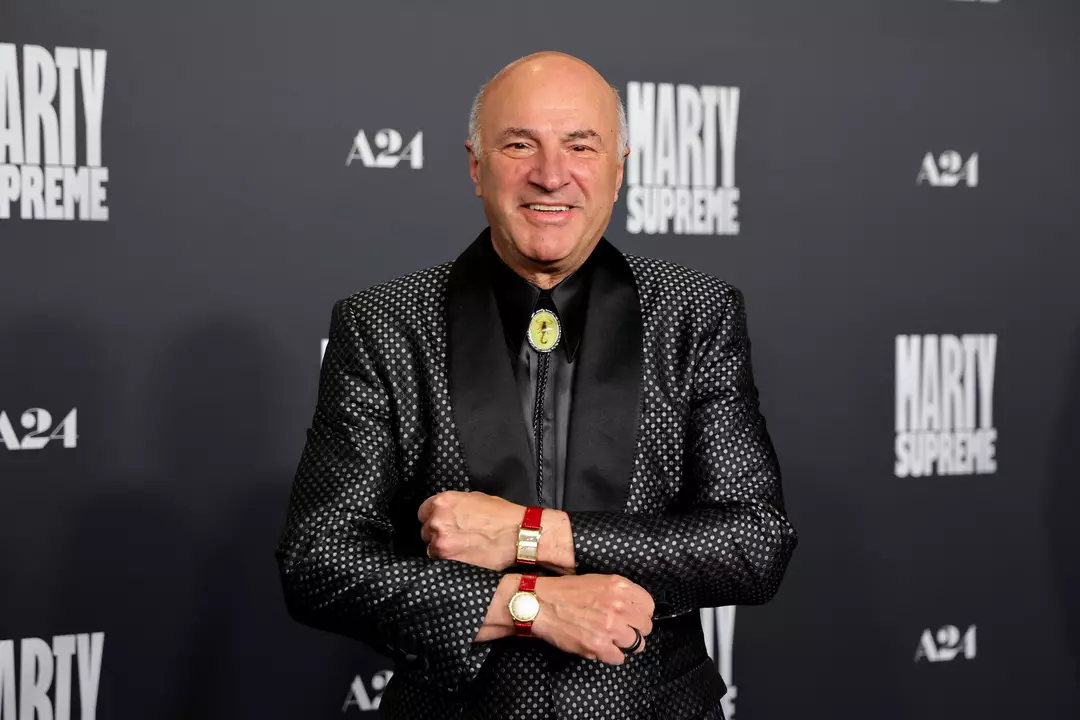
In an article for the outlet, O’Leary described Jobs’ philosophy: “He [Jobs] had this concept of signal and noise. He believed that you needed to do three things, and you had to get them done every day.”
According to this approach, a successful day comprises at least 70% ‘signal’—the three key tasks one aims to complete—while the remaining 30% can be ‘noise,’ or distractions that might hinder achieving those tasks.
O’Leary points out that in business, there are neither ‘holidays’ nor ‘workdays,’ reflecting Jobs’ belief that individuals should focus on what they want to accomplish with their time.
O’Leary elaborated on Jobs’ guidance: “It’s what you want to do with your time. So I pick three things I want to get done that day, and I don’t let anything get in the way until those three things are done.”
Another intriguing aspect of Jobs’ approach was the ‘beer test’ interview method.
Instead of traditional interviews, Jobs would take candidates for a walk and potentially enjoy a beer with them, aiming to create a relaxed environment where he could get to know them better.

Rather than a formal office setting, Jobs opted for a more casual atmosphere, such as a local pub.
During these informal meetings, Jobs would ask potential hires questions like: “When was the last time you accomplished something?”
He might also inquire: “What did you do last summer?” to further engage them in conversation.
The goal of this unconventional interview style was to identify top talent, or ‘A-Players,’ as Jobs referred to them.
“I found that when you get enough A-players together, when you go through the incredible job of finding these A-players, they really like working with each other,” Jobs previously stated.