


Recognizing prostate cancer symptoms is crucial, especially after a study has highlighted the number of times a man should ejaculate monthly to potentially reduce the risk of the disease.
The American Cancer Society reveals that one in eight men will be diagnosed with prostate cancer during their lifetime. This year, the disease is expected to result in over 35,000 fatalities.
Prostate cancer diagnoses predominantly occur in men aged 65 and older. The risk is notably higher among African American men and Caribbean men of African descent.
According to the American Cancer Society, prostate cancer ranks as the second-leading cause of cancer death in men, surpassed only by lung cancer.
Awareness of the symptoms is vital, and fortunately, the Mayo Clinic has identified five early symptoms associated with prostate cancer.

Often, these urinary symptoms may be dismissed as unrelated health issues, but it is crucial to consult a doctor if they appear.
According to Mayo Clinic, early prostate cancer signs include:
The Mayo Clinic also notes that advanced prostate cancer may present with different symptoms. These can include:
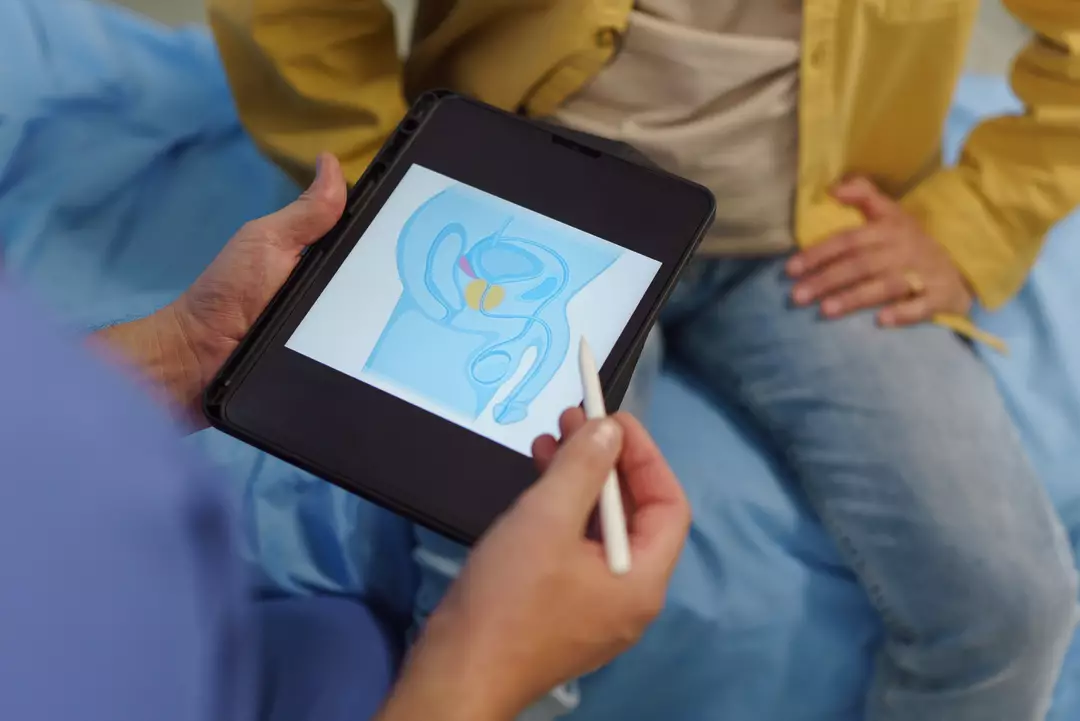
Research indicates that daily ejaculation may decrease prostate cancer risk. A particular study found that achieving 21 orgasms per month can lower the risk of developing the disease by 20 percent.
Conducted by researchers at Harvard University, this discovery emerged from a study involving 31,925 men who completed three surveys on ejaculation frequency from 1992 to 2010.
The research, published in European Urology in 2016, reported: “We evaluated whether ejaculation frequency throughout adulthood is related to prostate cancer risk in a large US-based study.
“We found that men reporting higher compared to lower ejaculatory frequency in adulthood were less likely to be subsequently diagnosed with prostate cancer.
“These findings provide additional evidence of a beneficial role of more frequent ejaculation throughout adult life in the aetiology of PCa [prostate cancer], particularly for low-risk disease.”