


This holiday season, millions of individuals have received gifts that may inadvertently expose their households to online threats, a leading cyber intelligence agency has cautioned.
With the increasing prevalence of ‘smart’ features in devices, such as fridges, photo frames, and Amazon Echo speakers, more gadgets require internet connections.
While these features offer enhanced functionality, they also make other devices on your home network susceptible to vulnerabilities.
Experts from the UK’s National Cyber Security Centre (NCSC), a respected authority on online threats from hackers and state actors, have raised concerns that many smart devices can be exploited by cyber criminals to access your network remotely.
A report by BitDefender notes that these smart devices are subject to up to 30 cyber attacks daily. However, the NCSC has provided straightforward advice on enhancing your home’s virtual security and safeguarding your smart devices.

The process of setting up various devices during the Christmas season can be tedious, yet ensuring proper security protocols are in place is crucial.
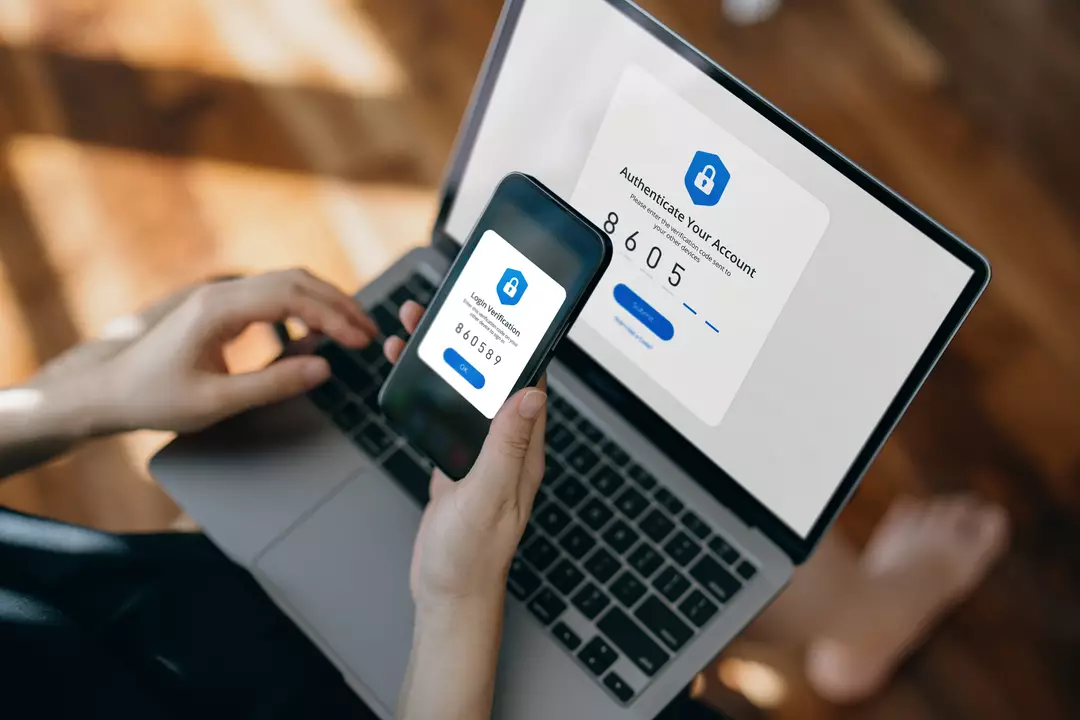
UK cyber security experts recommend implementing two-step verification on any new devices or apps. This adds an additional security layer and alerts you if someone attempts to access your network, even if they have your password.
NCSC resilience director, Jonathon Ellison, stated: “As you set up a smart device you received this Christmas, make sure it’s wrapped up in the essential security layers.”
Additionally, the agency suggests creating passwords using three random words, like DogBandanaCabbage, to deter attackers from executing a ‘brute-force attack,’ which involves running scripts to guess passwords through trial and error.
These measures can prevent unauthorized access to your home network. Meanwhile, the FBI warns that downloading certain apps onto smart devices can enable criminals to bypass security defenses.
In June, the FBI reported that several smart devices running Android software were ‘compromised with backdoor malware,’ citing the discovery of a botnet named BADBOX 2.0, pre-installed on various low-cost internet-connected devices.
This malware can connect to all internet devices, turning them into ‘zombies’ for hackers to execute large-scale cyber crimes.
The FBI advises caution with devices featuring suspicious marketplaces or requiring Google Play settings to be disabled, as they may harbor this botnet. ‘Free streaming’ sticks offering unauthorized access to premium TV content are significant avenues for network exploitation.
To secure your network, the FBI recommends monitoring internet traffic for unusual activities and echoes NCSC’s advice to keep device software updated, as system updates often include enhanced security protocols.