

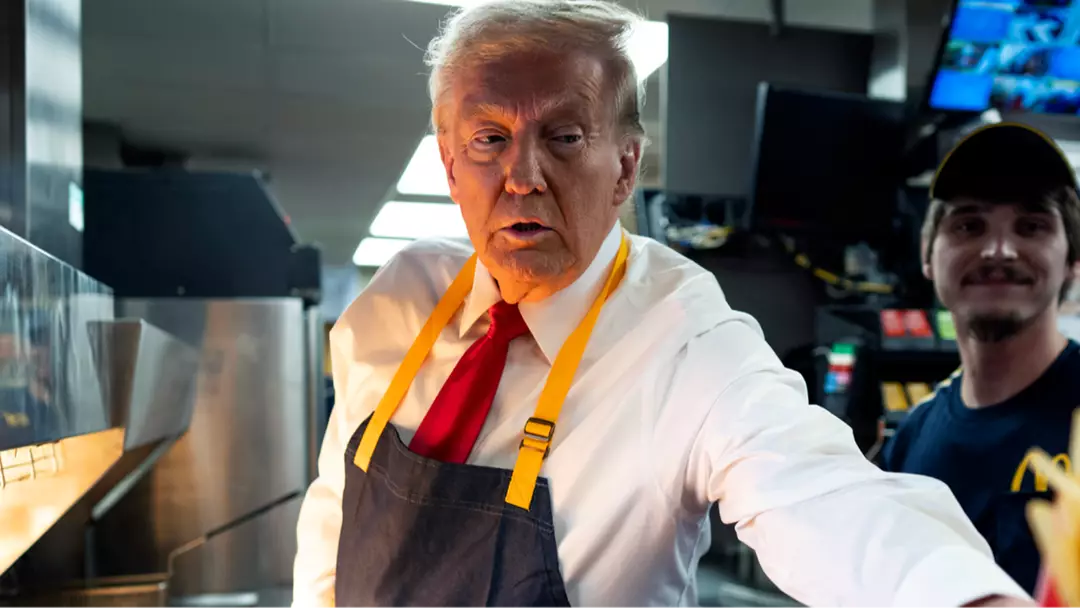
Several states are choosing not to implement a proposal by Donald Trump to reduce taxes on tips as part of his One Big Beautiful Bill Act.
The tipping culture in the US is distinct from many other countries, with service industry employees often depending on tips for the majority of their income. This setup varies across different states.
In certain states, businesses can legally pay tipped employees less than the federal minimum wage, provided that the total earnings, including tips, meet or exceed the minimum wage. Conversely, other states have regulations that require higher wages for tipped employees, but mandate that tips are shared among all staff, including those who don’t directly receive tips, such as kitchen staff.
Trump’s economic bill proposes tax relief for tipped workers, but this aspect will not be adopted by several states when the bill is enacted on January 1.
While some states are embracing the federal policy, others are opting for a more cautious approach. This is due to the fact that some states automatically incorporate federal tax codes, while others manage their state taxes independently and would need to pass state-level legislation to implement these changes.
Which states have expressed their intent not to adopt the federal policy?

New York leads the way, as reports said that the state will require individuals to include tip or overtime deductions on their federal tax returns.
The rationale provided was the necessity to safeguard more than a billion dollars in annual revenue.
Despite this, a spokesperson for New York Governor Kathy Hochul did not completely dismiss the possibility of future action.
In their statement, the spokesperson mentioned: “We will continue finding ways to put money back in New Yorkers’ pockets and will evaluate federal changes in the context of the upcoming budget, just like red and blue states across the country.”
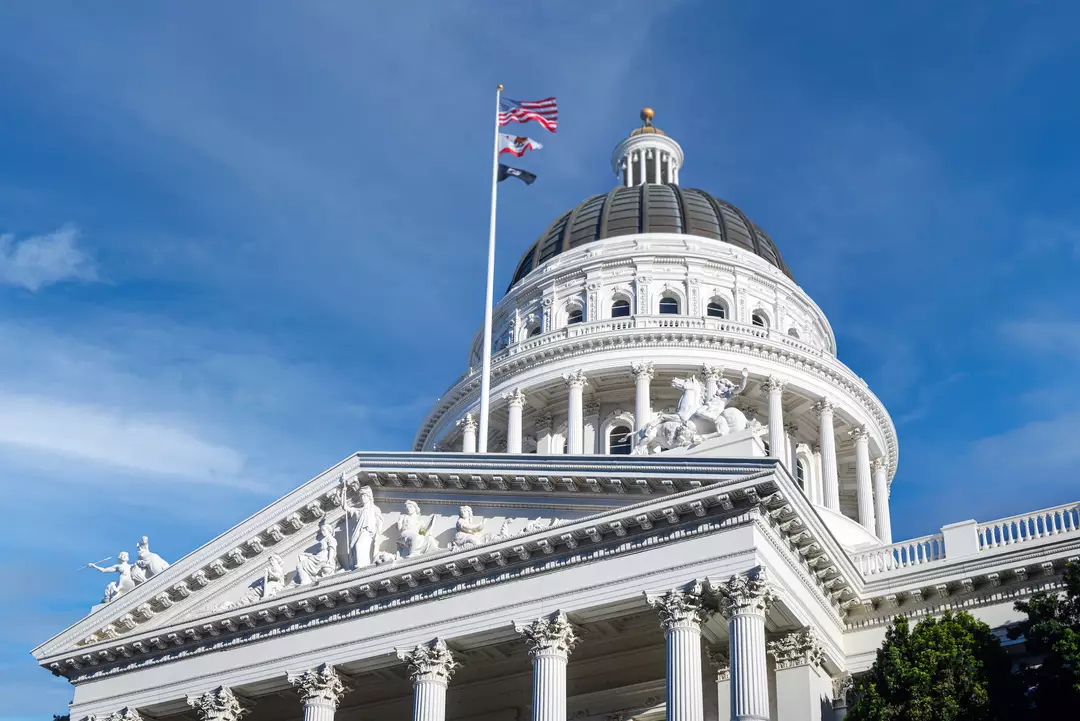
California’s leadership has indicated no plans to implement the costs, stating the intention to use the funds for various programs.
The projected cost for California is approximately $3.2 billion.
A representative from the California Franchise Tax Board noted that ‘legislation would generally be required for California to conform to provisions within the federal One Big Beautiful Bill Act.’

Illinois is also opting to tax tips by requiring an ‘add-back’ for tax deductions related to tips or overtime.
An ‘add back’ refers to a tax adjustment ensuring that reported revenue truly reflects one’s earnings.
There are states like South Carolina, Iowa, North Dakota, Idaho, Montana, and Oregon that automatically align with federal tax regulations.
However, other states must formally adopt the federal policies at their state level.
This means that they won’t automatically take effect, although many states are considering adopting some provisions from Trump’s Big Beautiful Bill Act.