

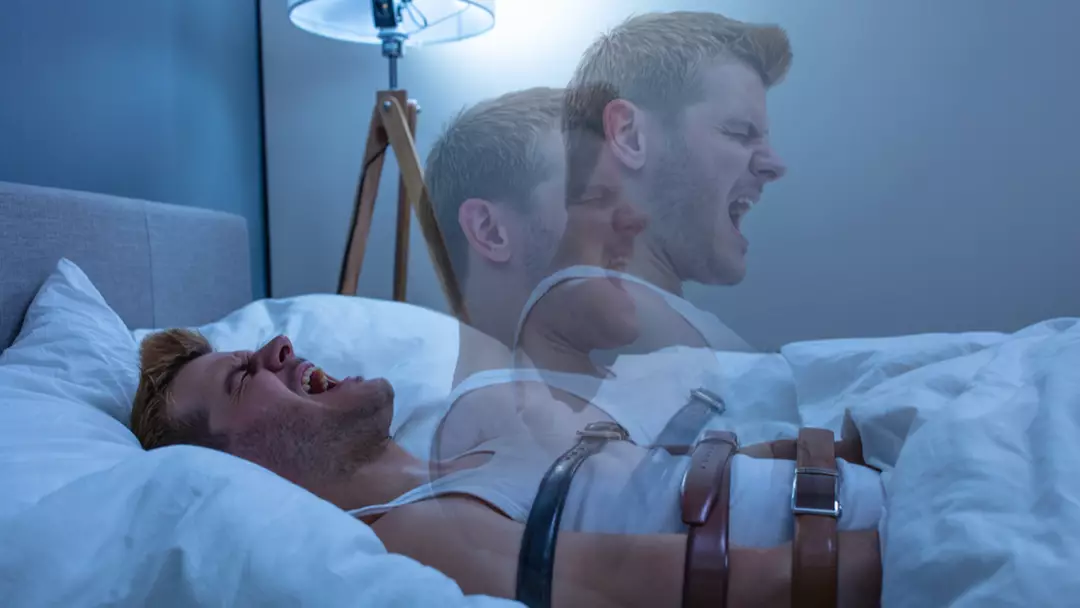
Experiencing sleep paralysis is something that can be hard to convey to those who haven’t been through it. It’s a condition where you find yourself unable to move or speak, often feeling a presence in the room or a pressure on your chest, which can leave you quite distressed.
Capturing the essence of sleep paralysis is challenging, but a TikTok video has successfully illustrated the experience. The clip, posted by user notanexperttt, features an animated character who wakes up to find he cannot move his arms.
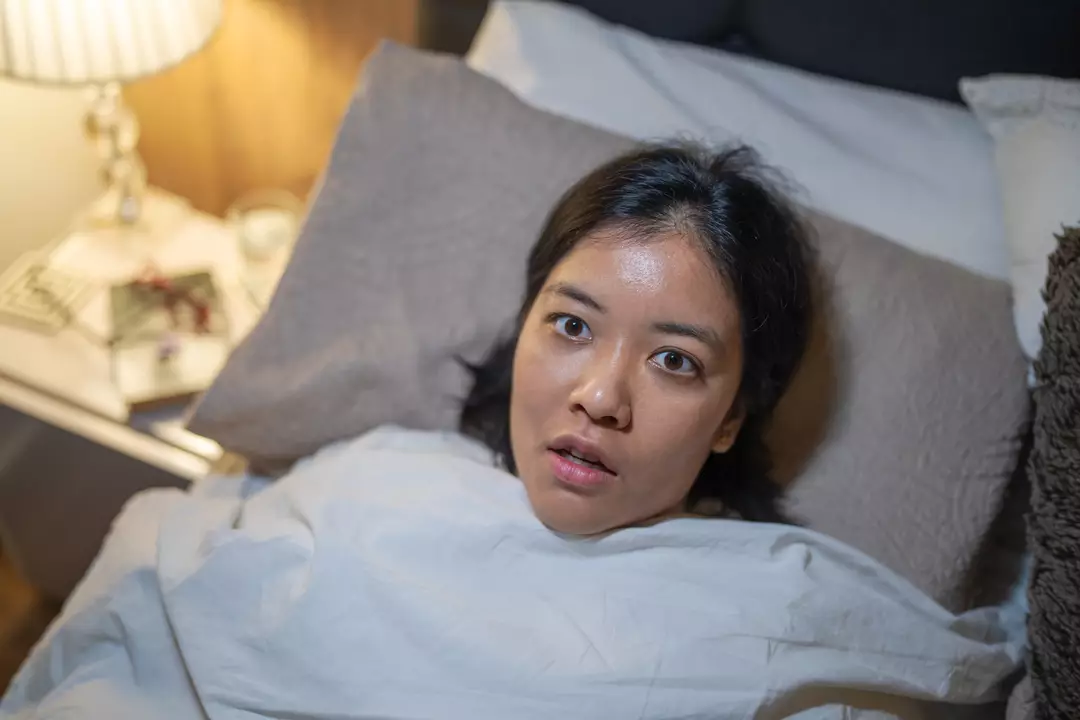
Viewers see a frightening figure appear beside him, creating the sensation that it is looming over him, a common hallucination associated with sleep paralysis.
The TikTok description clarifies: “You’ll feel like you’re awake and you can still hear and see things but you can’t move your body, because it’s still asleep. This happens during REM sleep.
“Your brain sends signals to temporarily shut down muscle movement while you’re dreaming, but sometimes you wake up before your body has a chance to turn this off, leaving you to experience frightening hallucinations while being unable to move.”
The video quickly garnered attention, with users sharing personal encounters with sleep paralysis or expressing their hopes to never go through it.
One commenter shared: “I had one and I couldn’t scream,” while another noted: “I’ve never seen anything during sleep paralysis but I always feel like something is holding me or pressing against me.”
Another user simply stated: “I got one of these it was HORRIBLE.”
Curious about what happens during sleep paralysis? 🤔
According to the NHS, most individuals will only face sleep paralysis once or twice in their lives.
While its exact cause is unknown, sleep paralysis has been associated with various factors such as insomnia, irregular sleep schedules, PTSD, generalized anxiety disorder, panic disorder, and having a family history of the condition.
It is more common in people with narcolepsy—a chronic disorder that causes sudden sleep episodes.
Adjusting sleep habits may help reduce the likelihood of sleep paralysis. It’s recommended to aim for seven to nine hours of sleep and maintain a consistent sleep schedule.
The NHS advises against sleeping on your back, as this can increase the chances of experiencing sleep paralysis. Additionally, avoiding large meals, smoking, or drinking before bed can be beneficial.