

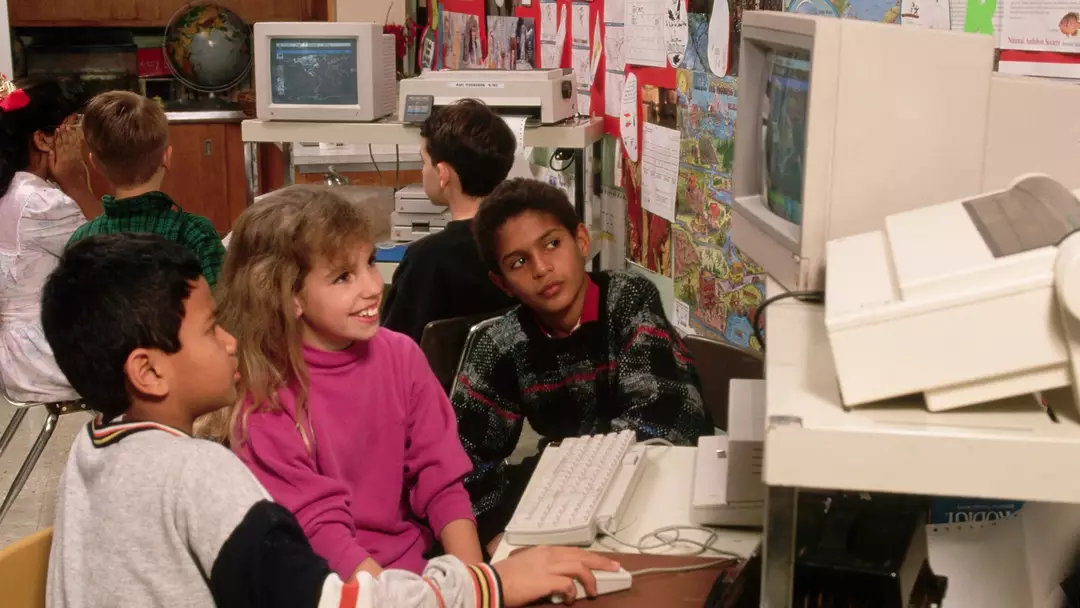
In 1998, a survey inquired about Americans’ expectations for the world in 2025.
While many often seek predictions from figures like Baba Vanga, a Bulgarian mystic who passed away in 1996, known for her rather grim outlook for 2025, it’s interesting to note that predictions didn’t only come from mystics. American citizens provided their own foresight 27 years ago.
Amid concerns ranging from intensified conflicts in Europe to fears of devastating earthquakes in 2025, the past year hasn’t been overly encouraging.
In a study by Gallup and the outlet, 1,055 adults in 1998 shared their thoughts on the likelihood of certain events by 2025, and many of their predictions were surprisingly accurate.

This data was collected through phone interviews conducted over a two-day span.
In the survey, 75 per cent of respondents anticipated the ’emergence of a deadly new disease’ by 2025. Enter COVID-19.
Similarly, 74 per cent believed that gay marriages would become commonplace by now.
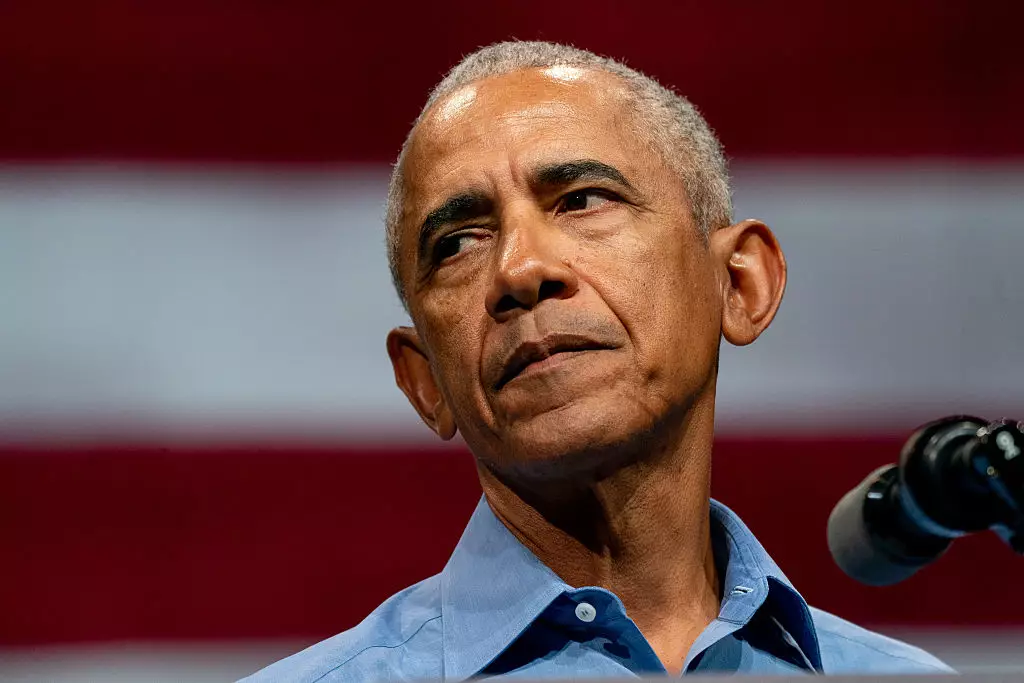
Furthermore, 69 per cent foresaw that the US would have elected a Black president by 2025, paving the way for Barack Obama’s presidency.
Additionally, 52 per cent predicted a shift towards remote work, and 56 per cent foresaw online shopping overtaking traditional stores.
Not all predictions were on point. Although 61 per cent expected routine centenarian lifespans, this hasn’t quite materialized (unless you’re Dick Van Dyke, naturally).
Hope was strong that by now AIDS and cancer would be eradicated, yet these diseases continue to affect millions every year.
66 per cent envisioned a female president by this time. Kamala Harris, unfortunately, has not yet seen this realized.
In 1998, there was skepticism about certain advancements happening by 2025, such as the replacement of cars with mass transportation, contact with extraterrestrial life, widespread self-employment, the normalization of human cloning, and commonplace space travel for Americans.
On the whole, the participants in the 1998 study appeared optimistic about the nation’s future, with 60 per cent expressing satisfaction with the country’s direction. This contrasts with the mere 24 per cent of Americans who feel this way today, as reported.