

Recent statistics from the Centers for Disease Control and Prevention (CDC) indicate a concerning increase in the number of cases of a highly infectious disease across the United States.
The CDC reports that the country has now recorded over 2,000 instances of this illness, marking the highest count in over three decades. Health experts suggest that the rise in anti-vaccination sentiments may be a contributing factor.
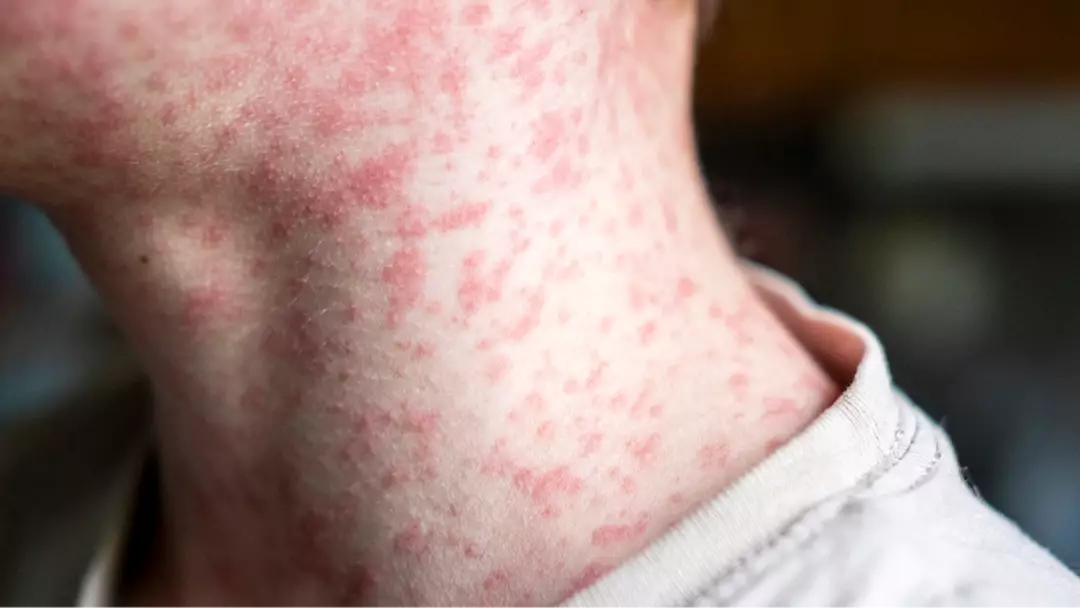
The disease in question is measles, a viral infection characterized by symptoms similar to a cold, including fever, cough, and runny nose, typically followed by a distinctive red rash. As of December 23, 2,012 cases have been confirmed within the U.S.
Advancements in medical science have historically led to a significant decrease in measles cases annually. The last time the U.S. Encountered more than 2,000 cases was in 1992, with the CDC documenting 2,126 infections that year.

In recent times, however, a notable number of Americans have chosen not to vaccinate, partly due to political beliefs. This movement is believed to have contributed to a global spike in measles cases, reaching a 25-year peak.
The measles, mumps, rubella (MMR) vaccine, which can be up to 93 percent effective, has faced criticism under Donald Trump’s administration, even as cases continue to rise nationwide.
Measles is not only highly communicable but can also be severe. Statistics reveal that 11 percent of those infected required hospitalization, with over half of the hospitalized being under 19 years old.
The CDC reports that 93 percent of measles cases in 2025 involve individuals who are either unvaccinated or have an uncertain vaccination status.
The remaining seven percent of those affected have received at least one dose of the MMR vaccine (three percent), while four percent have received both doses.
In 2025, there were 50 reported outbreaks of the virus, including a significant one in South Carolina, which greatly exceeds the 16 outbreaks recorded in 2024.
The South Carolina Department of Public Health has reported 176 cases as of December 30, with Spartanburg County, near the North Carolina border, being the most affected.
Consequently, numerous students across the state have been compelled to undergo quarantine at home.
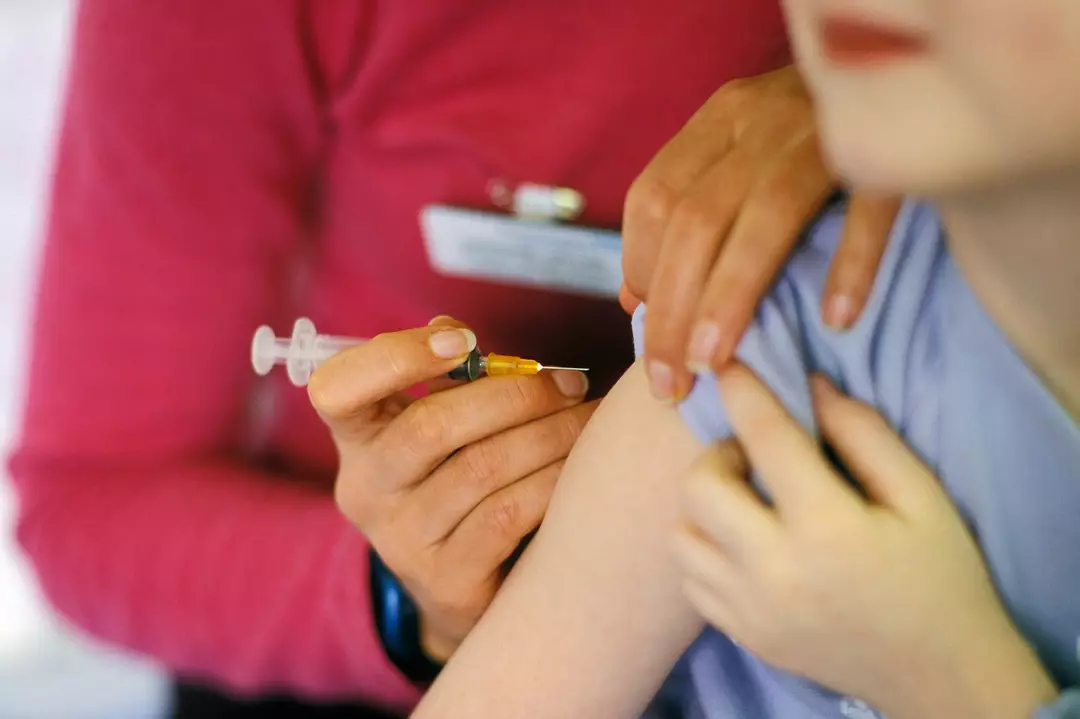
The CDC advises that individuals receive two doses of the MMR vaccine: the initial dose between 12 to 15 months and the second between four to six years of age.
A single dose of the vaccine can be 93 percent effective, and this increases to 97 percent with two doses.
Although measles was declared eliminated from the Americas in 2016, recent outbreaks have jeopardized this status.
According to the Pan-American Health Organization (Paho), 11,668 cases have been reported across 10 countries in North and Latin America.
Rosana Richtmann, an infectious disease specialist and coordinator of the Brazilian Society of Infectious Disease’s Immunization Committee, has previously criticized the U.S.’s stance on vaccinations as “outrageous” and cautioned that failure to increase vaccination efforts would exacerbate the issue.