

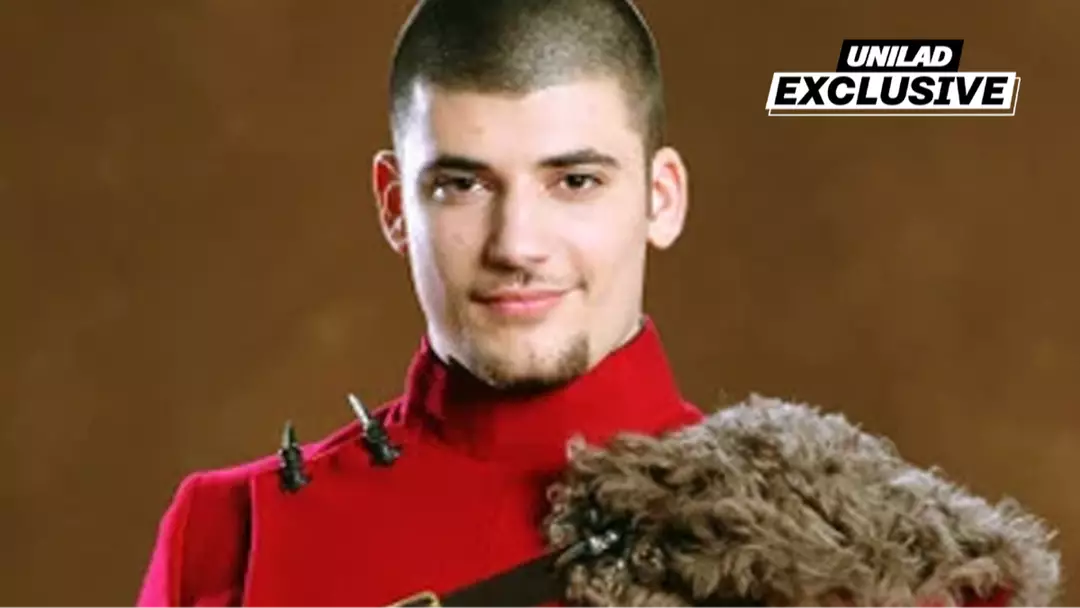
Stan Yanevski, best known for his role as Viktor Krum in the 2005 film “Harry Potter and the Goblet of Fire,” has voiced his concerns about the potential dangers of AI and deepfakes following a concerning incident experienced by one of his fans.
Despite the film being released nearly two decades ago, Yanevski continues to engage with a dedicated fan base, maintaining an Instagram following of nearly 300,000 people. To honor the enthusiasm of “Harry Potter” fans, Yanevski actively shares content that keeps Viktor Krum’s legacy alive on his social media platforms.
“I try to be as active as possible on social media to give back to people,” Yanevski explained. “We owe that to our fans and followers.”
In addition to content related to the film franchise, Yanevski shares a wide range of interests with his followers, noting that “I’m pretty sure not all that follow me are Harry Potter fans, because I do a lot of things. I do motorcycling, I do fitness training, I do funny content.”
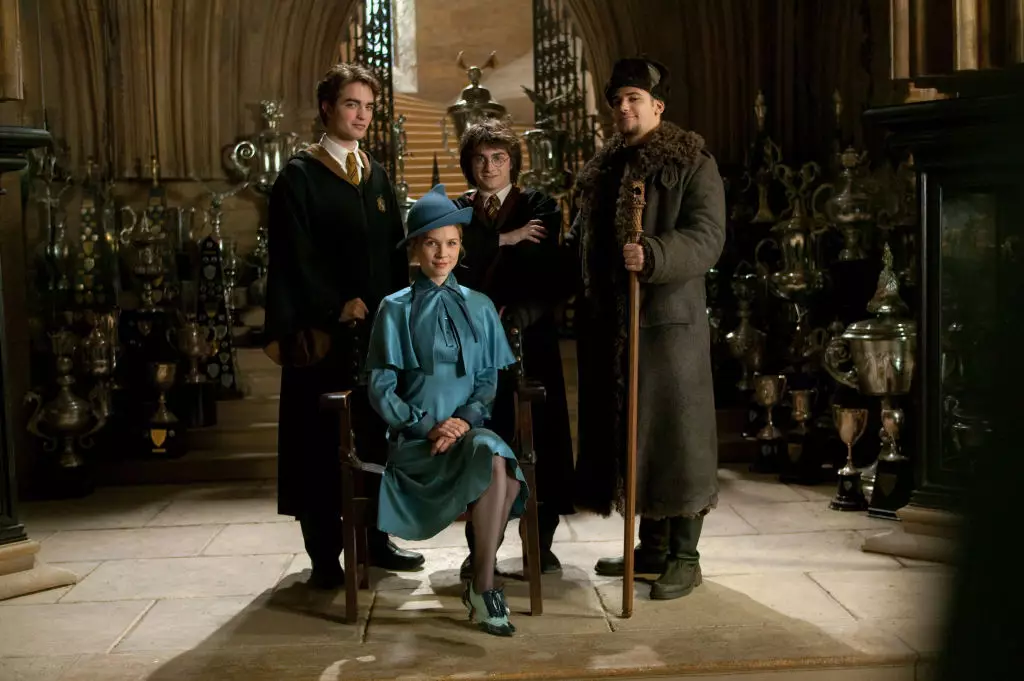
Although social media provides an excellent opportunity for fan interaction, as evidenced by one of Stan’s videos gaining over 9,000,000 views, there is also a darker side to it. Unfortunately, some people exploit technologies such as artificial intelligence to deceive others, making them think they are communicating with their favorite celebrities.
There have been instances, like a French woman who was defrauded out of thousands by someone pretending to be Brad Pitt. Similarly, in 2024, Spanish authorities arrested five individuals in a case involving two women who were swindled by another impersonator claiming to be Pitt.
Stan recounts a close call experienced by one of his own fans, who believed she was speaking with the actor online, nearly falling into a scam.
“The internet is like an endless ocean; that’s why we are verified on our profiles,” Stan said. “You know, we post stories, lives. If you want the real thing, that’s where you can find it. The rest? Believe nothing.”
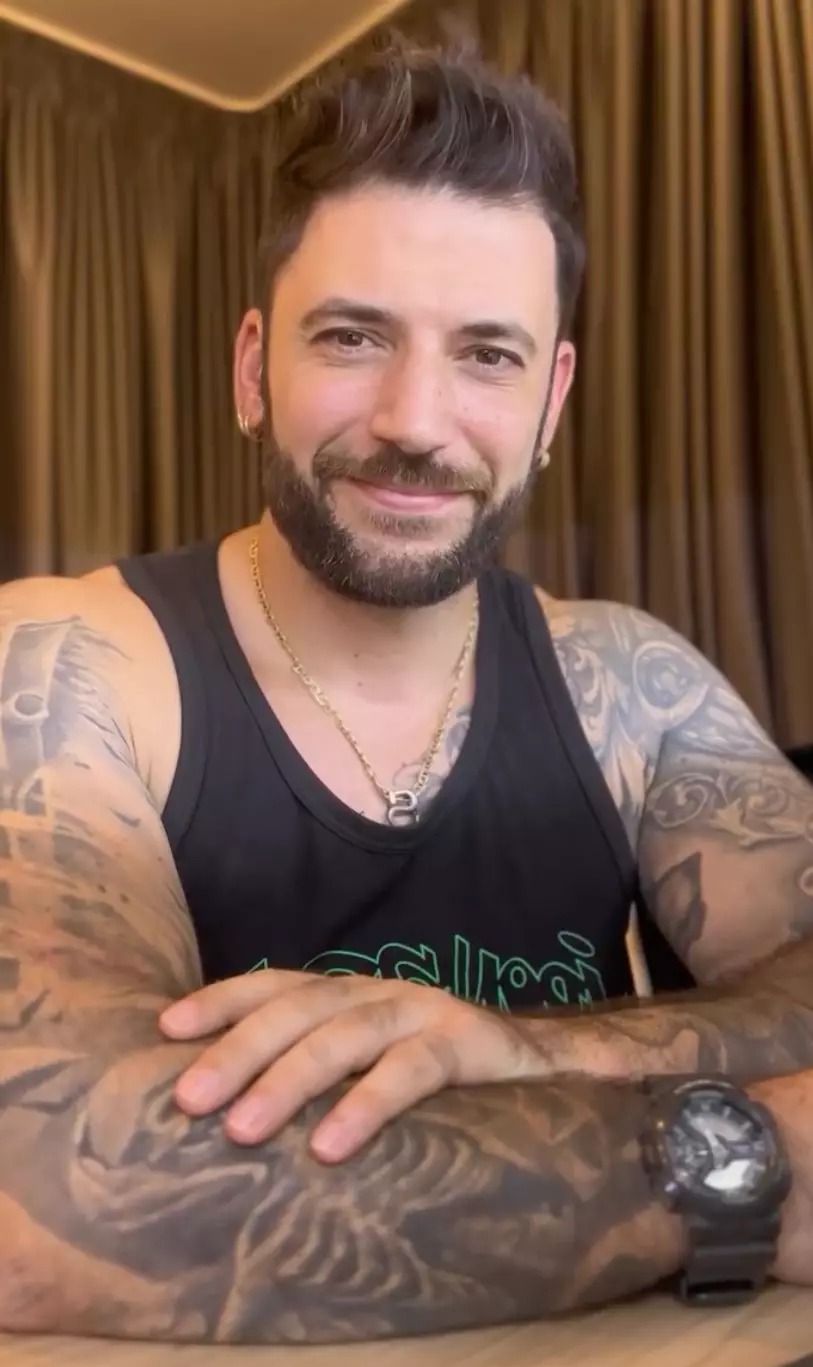
He shared a personal story: “I had a case where the cousin of a girl got in contact with me. That particular girl was in contact with a fake me, obviously sending pictures, and I don’t know what else they sent her. But she was so in love that she was about to sell her house and send all her money to that guy claiming to be in the States.”
Stan was able to reach out and inform the woman of the deception, preventing her from selling her property.
“It’s tough,” he continued. “I’ve been fighting this war and I believe I’ve created a community. On my social media as a whole, we look out for each other and as soon as there is something fake out there, they send it to me.”
The takeaway from this cautionary tale is clear: if something online seems too good to be true, it likely is.