

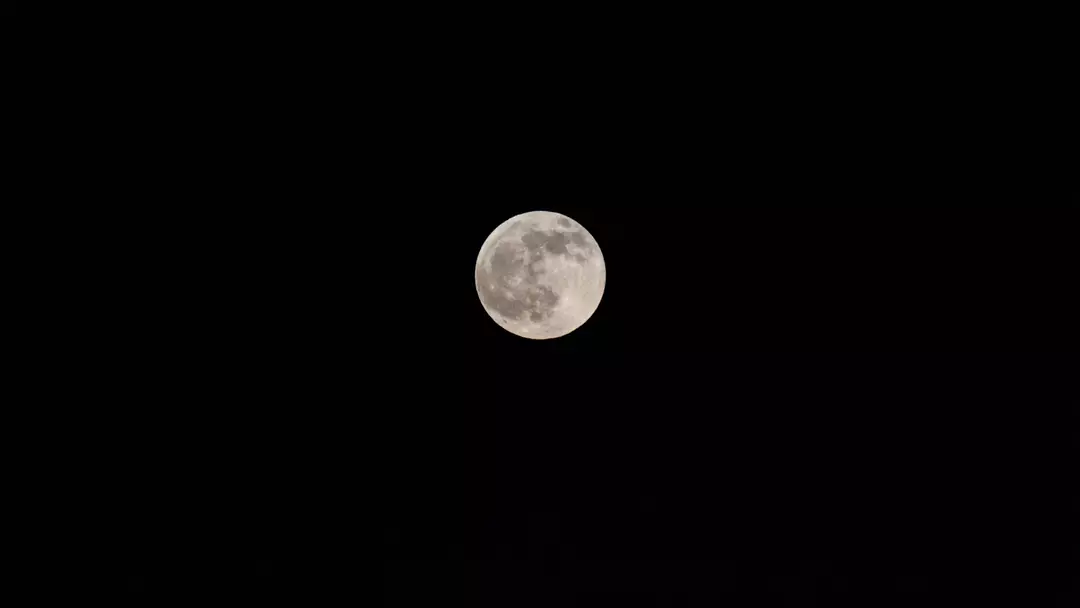
Sky enthusiasts have the opportunity to witness the first ‘Wolf’ supermoon of 2026 this weekend, which also marks the last chance to see such an event for several months.
The start of a new year heralds an array of astronomical phenomena, including an additional thirteenth full Moon set to grace the skies later in the year. In just a few days, the Wolf full Moon will illuminate the night.
This event coincides with the Quadrantid meteor shower, noted for its vivid fireballs. Unfortunately, the brightness of the full Moon will likely overshadow much of the meteor activity.
Nevertheless, for astronomy enthusiasts, attempting to catch a glimpse of these overlapping events is worthwhile, especially since the Wolf moon represents the last supermoon for an extended period.
A supermoon occurs when the Moon appears significantly larger and brighter, creating a stunning visual spectacle.

This phenomenon occurs when the Moon is at perigee, the closest point in its orbit to Earth.
When the full Moon coincides with perigee, it can appear six to fourteen percent larger and up to 30 percent brighter compared to when it is farther away, according to NASA.
The first full Moon of 2026 will be visible between Friday, January 2, and Sunday, January 4.
The Moon will reach its peak fullness in the early morning of Saturday, January 3, at approximately 5:03 am EST.
For optimal viewing, gaze towards the eastern horizon around moonrise at sunset or near moonset at sunrise.
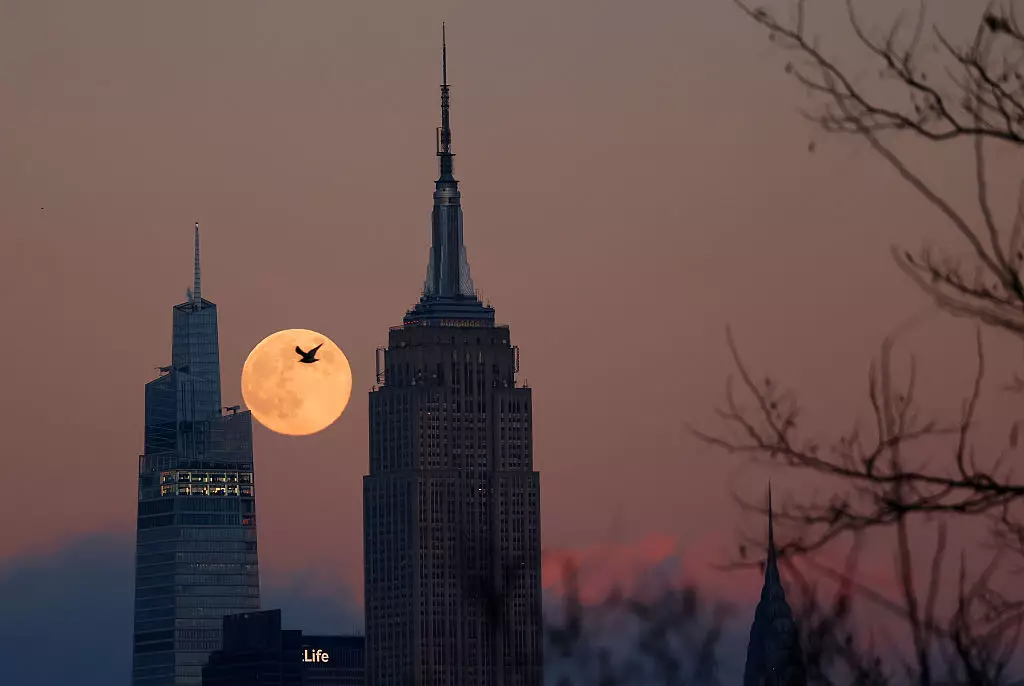
On the night of the supermoon, the bright planet Jupiter will also be visible nearby, enhancing the celestial display.
While 2026 will feature a full schedule of lunar events, most of the year’s full Moons will not occur close enough to perigee to be classified as supermoons.
Lunar phase calendars indicate there will be 13 full moons in 2026, but only two more — in November and December — are anticipated to qualify as supermoons later in the year.
This means the January 3 Wolf supermoon will be the last visible supermoon for approximately ten months.
Observers won’t witness another supermoon until the Beaver Moon on November 24, 2026, followed by the Cold Moon on December 23, 2026.
The January supermoon also concludes a series of consecutive supermoons, where several full Moons have consecutively occurred near perigee.
In late 2025, there was a sequence of four consecutive supermoons in October, November, and December 2025, culminating with the January 3, 2026, supermoon before the next occurrence at the end of the year.