


Key risk factors for kidney cancer have been identified amid rising incidence rates.
Kidney cancer impacts both genders, but it is slightly more prevalent in men, comprising 60 percent of cases, compared to 40 percent in women.
Often presenting with few symptoms, kidney cancer diagnoses are increasing, with 75,000 cases reported annually in the United States.
According to Kidney Cancer UK, a significant 80 percent of kidney cancer cases are discovered incidentally.
Dr. Thomas Hutson, head of the Hematology Oncology Division at Texas Tech University Health Sciences Center School of Medicine, told Woman’s World, “There are also geographical differences in incidence. For example, renal cell carcinoma appears to be more common in people of Northern European descent, though it can occur in other populations.”
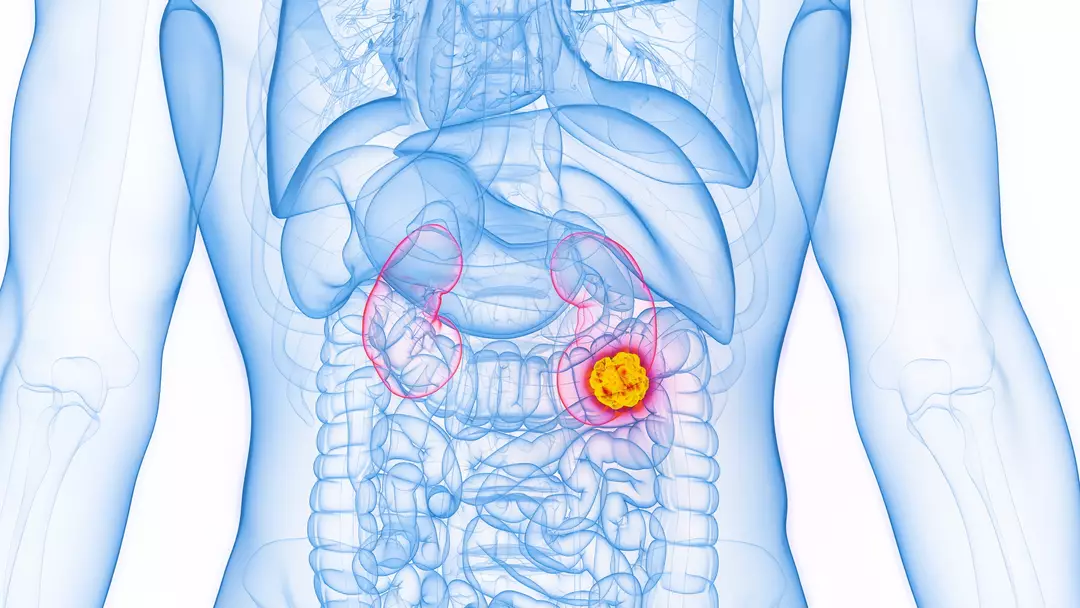
Steven Campbell, Chair and Professor of Urology at West Virginia University School of Medicine, outlined three key risk factors for kidney cancer: smoking, obesity, and hypertension (high blood pressure), noting the absence of a current screening program.
Additional risk factors identified by Dr. Hutson include:

Despite the rising number of cases, treatment outcomes have improved significantly.
Dr. Campbell remarked, “While for most patients advanced kidney cancer is still incurable, when I first went into the field, they would only live an average of one year. Now, they quite often will live three to four years. And many of them will live much longer than that—some eight to 10 years, and a small percentage will essentially get cured by these medications.”
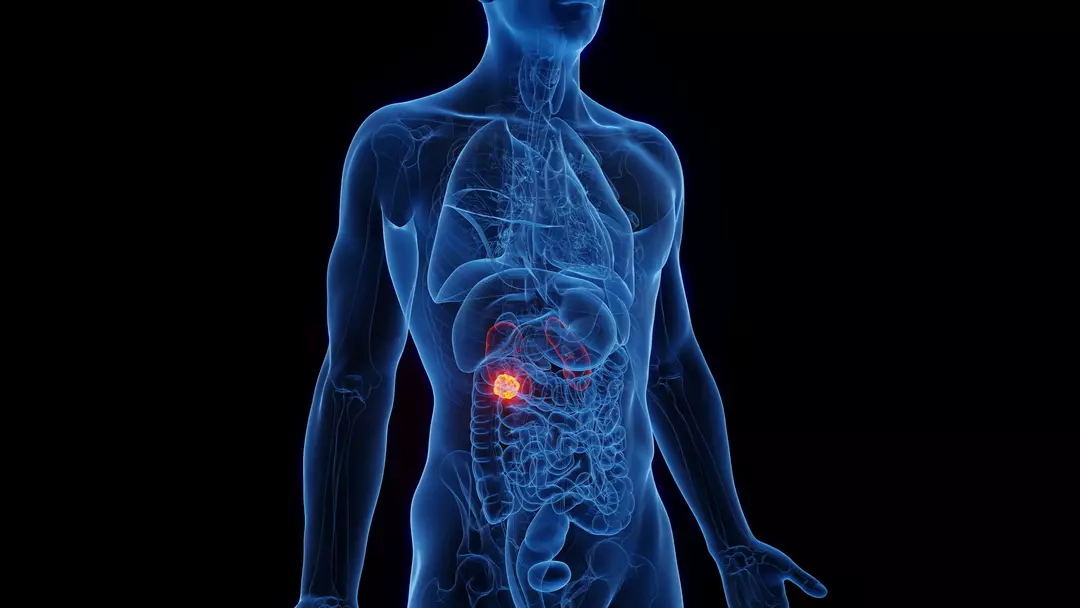
According to the Mayo Clinic, kidney cancer often does not show symptoms initially. However, some subtle symptoms may develop over time.
These can include loss of appetite, fatigue, and unexplained weight loss. More apparent signs might include persistent pain in the side or back and blood in the urine, which can cause it to appear pink, red, or cola-colored.
If you experience any symptoms or have concerns about kidney cancer, it is crucial to consult a healthcare professional.