


Experts have shared some unexpected enhancements in skin health that can result from eliminating regular alcohol consumption.
As we venture further into the new year, many individuals are participating in Dry January or are simply seeking to make healthier lifestyle choices, with reducing alcohol intake being a common decision.
While it’s widely acknowledged that excessive drinking can lead to numerous health issues, many people believe they are fully aware of the benefits of abstaining.
Commonly discussed perks include better sleep, financial savings, and a chance to cleanse the liver, which may have been overworked during festive celebrations.
However, dermatologists have highlighted that quitting alcohol can lead to significant improvements in skin health in a relatively short time.
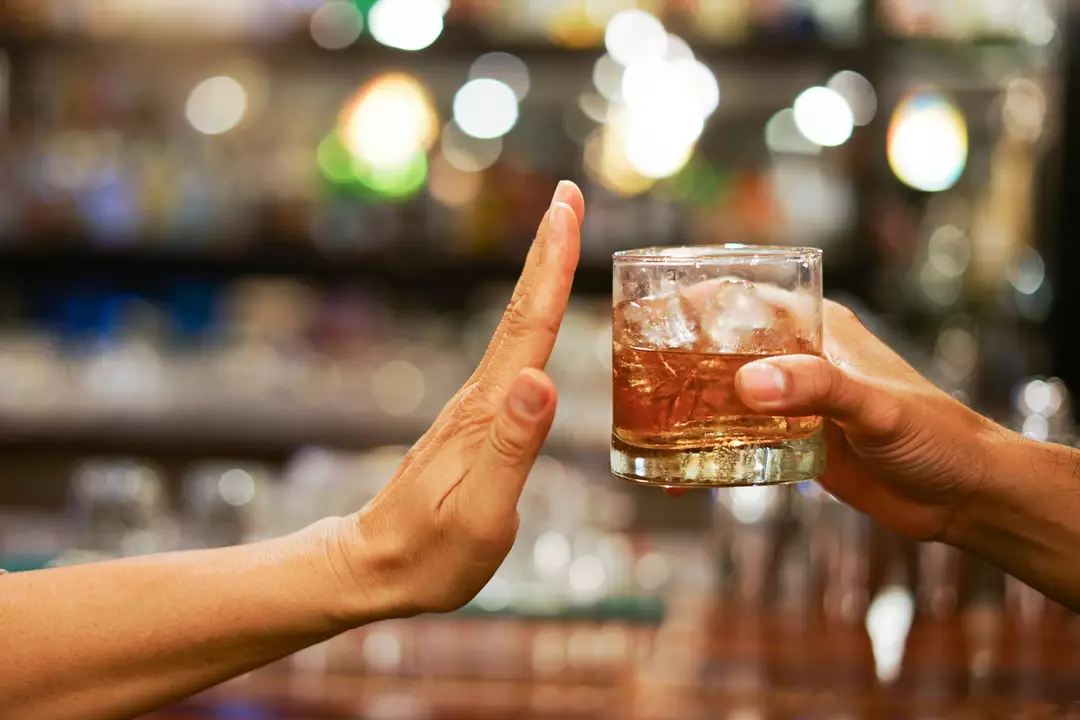
Skin specialists have also observed that extending the alcohol-free period beyond a month can unlock even more benefits.
According to Gina Baker, an in-house skincare specialist at Germaine de Capuccini, noticeable improvements can begin within just a few days after giving up alcohol.
In a report from the Independent, she stated: “By the end of the first week, the skin begins to look fresher. The finer dehydration lines start to fill out as the skin becomes plumper and more hydrated.
“By the second week, the skin looks and feels less sensitized and the high color begins to dissipate.”
Consultant dermatologist Dr. Conal Perrett from The Devonshire Clinic explained that persistent redness often seen on people’s noses and cheeks might be due to alcohol-induced inflammation.
He elaborated: “Alcohol causes dehydration and inflammation, so when it’s removed, the skin often looks less dull, less puffy, and more even within just a few days to a couple of weeks.
“Redness around the cheeks and nose can also settle quite quickly, and many patients comment that their skin simply looks ‘brighter’ and more rested.”
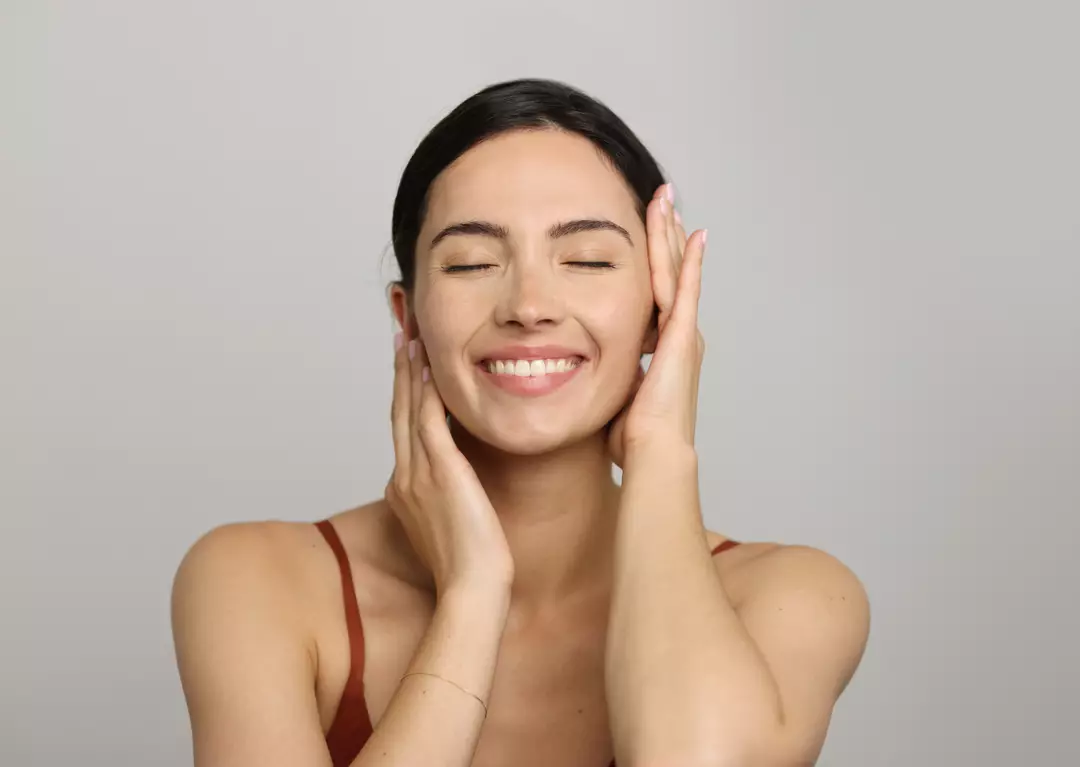
While a less swollen face is appealing, the benefits of abstaining from alcohol extend beyond appearance.
Alcohol affects the body’s capacity to regulate water, which can, in turn, impact the skin.
Baker explained: “Alcohol disrupts the hormones that regulate water loss. And of course, it’s also a diuretic, which leads our skin to become extremely thirsty-looking and dull.
“All this dehydration is very detrimental to our skin barrier.”
Once alcohol is removed from the body, moisture retention improves, allowing the skin barrier to repair itself more effectively. A compromised barrier can result in issues like redness, flaking, and sensitivity.
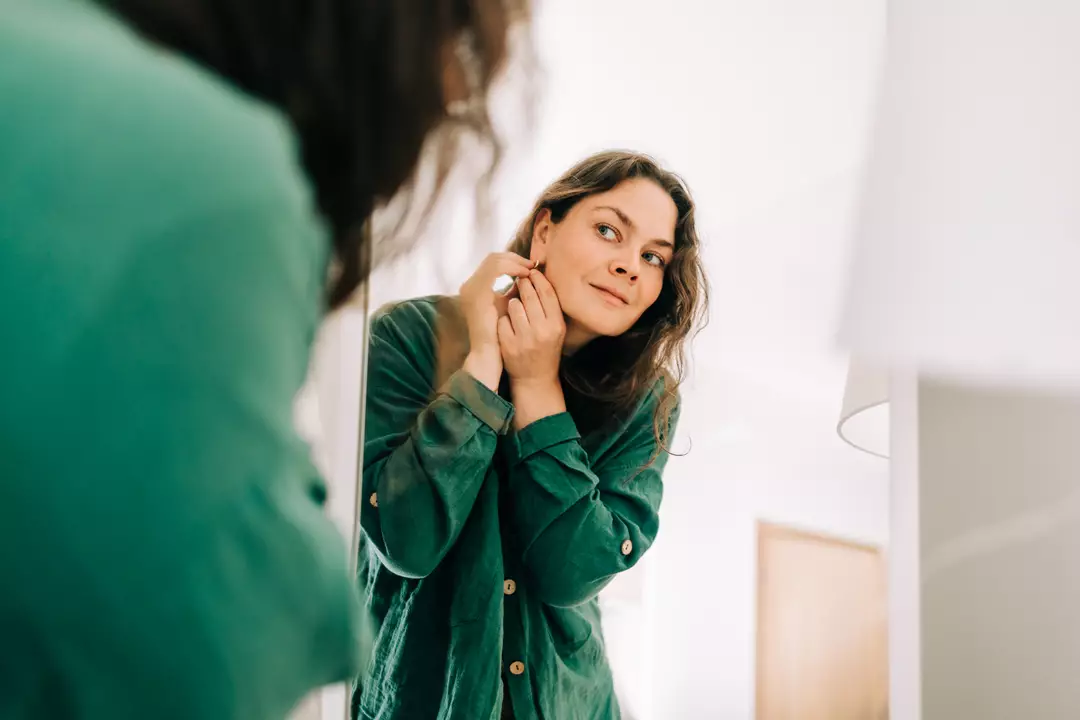
Experts suggest that the noticeable changes are more about improved hydration levels rather than weight loss after a month without alcohol.
Baker pointed out: “A month after giving up alcohol is really when you notice the difference. Eyes become less puffy and dark. The cheekbone and the jawline become more defined due to the lack of puffiness. The face becomes dewy and glowing.
This transformation is also supported by potentially enhanced sleep quality, helping the body to regenerate and improve skin health.
Even if alcohol wasn’t the main cause of certain skin issues, it is likely that it wasn’t beneficial either.
Dr. Perrett noted: “Alcohol increases inflammation, disrupts hormones, and dilates blood vessels, all of which can exacerbate acne and rosacea. Over time, reducing or eliminating alcohol can significantly calm inflammatory skin conditions.”
These skin condition improvements are often observed after longer periods without alcohol consumption.