


A seasoned legal professional has provided an analysis regarding whether the ICE officer involved in the fatal shooting of a woman in Minneapolis might face criminal charges.
Concerns regarding ICE have been escalating for individuals in the United States, a situation intensified by their recent activity in Minneapolis, Minnesota, which has led to public protests.
In the past few days, raids have been conducted, and as reported by CBC, approximately 2,000 Customs and Border Patrol (CBP) agents and ICE officers were anticipated to participate in operations in the cities of Minneapolis and St. Paul.
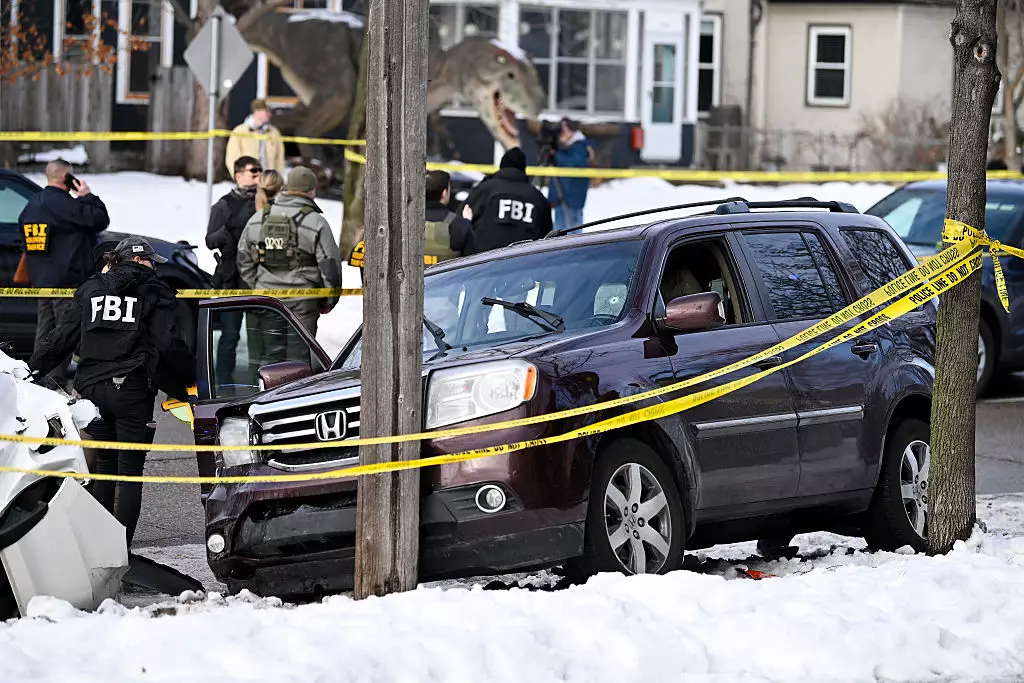
On January 7, Renee Nicole Good lost her life after being shot by an ICE officer while she was in her car during one of these operations.
The circumstances leading up to the shooting remain somewhat unclear, but Good, aged 37, is accused of ‘weaponizing’ her vehicle in an attempt to strike an ICE officer, prompting the officer to shoot in self-defense.
This account has been met with skepticism by many, especially since the available video footage only captures a portion of the incident.
Minneapolis Mayor Jacob Frey is one outspoken critic, stating: “There’s little I can say, again, that’ll make this situation better.
“But I do have a message for our community, for our city, and I have a message for ICE.
“To ICE, get the f— out of Minneapolis.”
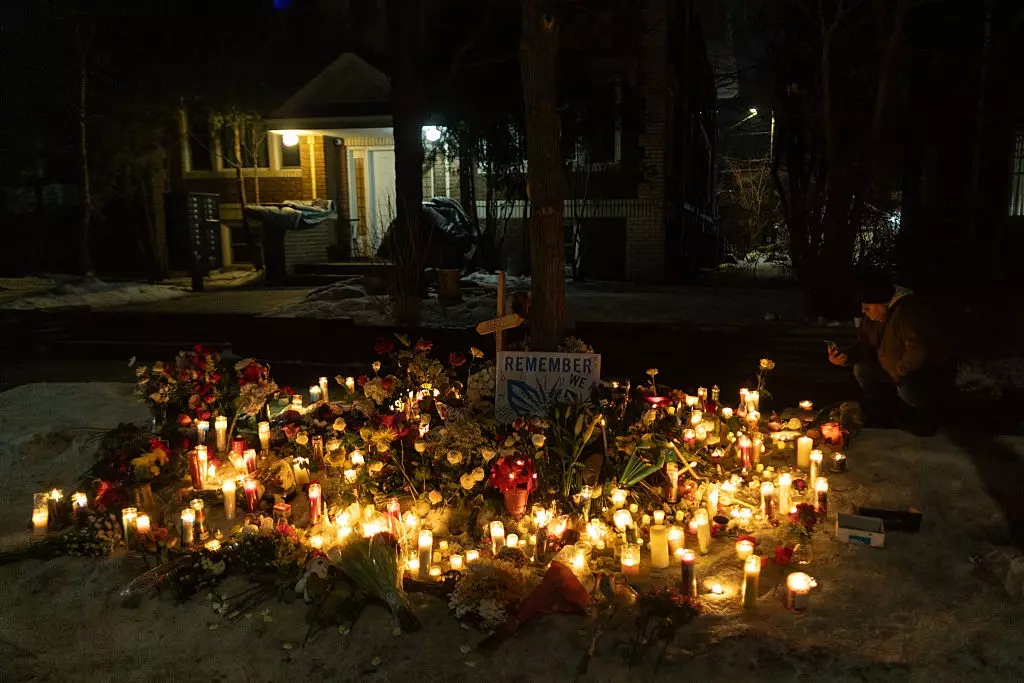
Good, a US citizen, reportedly leaves behind a six-year-old son.
Questions have been raised regarding the legality of the ICE officer’s actions and whether charges could follow Good’s death. However, legal expert Andrew C. McCarthy, former Chief Assistant United States Attorney in the Southern District of New York, believes charges are unlikely.
McCarthy argues that regardless of Good’s intentions, the officer perceived his life as being in danger, justifying the use of force.
He wrote in National Review: “Undoubtedly, if it is reasonable to construe the woman’s action as a deliberate attempt to mow down an ICE agent with a speeding vehicle, the use of force was justified. But even if the woman was mainly trying to get away (which is what it looks like to me), she was engaged in an actionable assault on a federal officer, a felony under Section 111 of the federal penal code.”
McCarthy continues: “It is settled Fourth Amendment law that a police officer may use deadly force against a fleeing suspect if he has a good-faith belief that the suspect poses a significant threat of death or serious physical injury to the officer or others.”
United States Secretary of Homeland Security Kristi Noem echoed these viewpoints. During a recent press conference, she stated: “Our officer followed his training, did exactly what he’s been taught to do in that situation, and took actions to defend himself and defend his fellow law enforcement officers.”
Regarding the FBI’s ongoing investigation, Noem added: “I do believe the officer used his training in this situation and we’ll let the FBI continue the investigation to get it resolved.”