


For nearly ten years, Microsoft was at the forefront of transforming the mobile phone industry, yet it never released what could have been a groundbreaking device.
Ultimately, the company decided to dismantle its mobile phone development division, much to the disappointment of fans, including those who appreciated the Nokia Lumia phones.
In 2015, the tech giant declared a reduction of 7,800 jobs and a substantial $7.6 billion write-down in its mobile phone sector.
This announcement followed another in 2014, when Microsoft revealed it had eliminated 12,500 positions from its Nokia division, which it had acquired for $7.3 billion just two years earlier.
At that juncture, CEO Satya Nadella mentioned that Microsoft would reassess its strategy. Unfortunately, after the Lumia series concluded in 2016, the company never revisited the mobile phone market.
“We are moving from a strategy to grow a standalone phone business to a strategy to grow and create a vibrant Windows ecosystem including our first-party device family,” Nadella stated. “In the near term, we’ll run a more effective and focused phone portfolio business while retaining capability for long-term reinvention in mobility.”
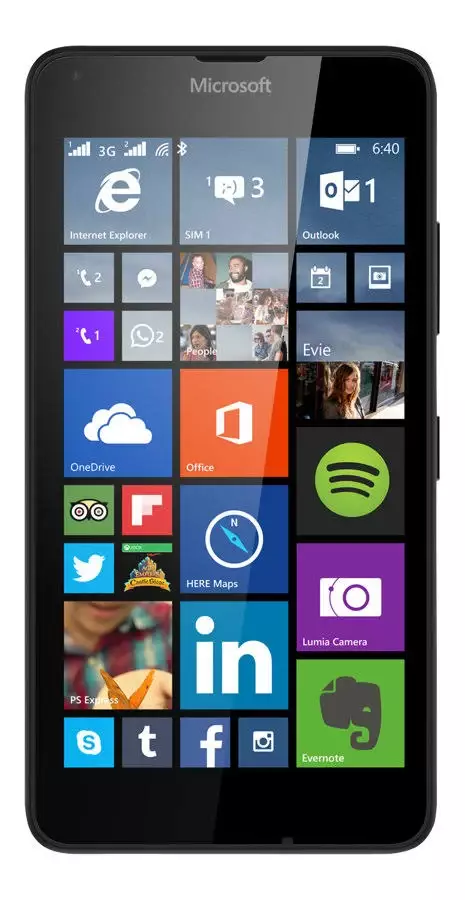
Under former CEO Steve Ballmer, Microsoft acquired Nokia with the intention of establishing its Windows Phone operating system. However, with rapid advancements from competitors like Apple and Google, Microsoft found it challenging to stay competitive.
Consequently, the company incurred losses exceeding the acquisition cost of Nokia.
Back in 2008, Microsoft announced plans to develop its own Windows phone, and by 2010, it successfully launched the software powering the Lumia series.
The Lumia phones offered users the capability to access familiar Microsoft applications such as Word, Excel, and PowerPoint, enabling productivity on the move.
Although the devices shared many features with basic Windows-based laptops, they struggled to keep pace with Apple’s and Google’s frequent updates and new releases.
In total, the Lumia series introduced only nine models and was poised to launch another when the line was discontinued.
The phones also garnered mixed reviews, with feedback highlighting issues like sluggish performance, lagging, and freezing problems.
It’s worth noting that Microsoft’s efforts, while costly, weren’t as extravagant as Apple’s decade-long, billion-dollar annual investment in a product that never reached consumers.
Although Ballmer was inclined to continue with mobile phone development, Nadella, upon taking over in 2014, viewed the declining sales figures as unsustainable.
The mobile phone line was eventually shelved and never revisited.
Subsequently, Microsoft launched the Surface Duo, a dual-touchscreen Android smartphone.
Unveiled during an event on October 2, 2019, it was officially released on September 10, 2020, as part of the Microsoft Surface lineup. However, the device was also discontinued in 2023, following the release of the Surface 2 in 2021.
In hindsight, the venture turned out to be an expensive endeavor, but the nostalgia for the Lumia remains.