


An international survey has identified the number of adults eligible for weight loss injections worldwide.
The study examined data from over 810,000 adults in 99 countries, analyzing surveys conducted between 2008 and 2021, resulting in some significant conclusions.
GLP-1 agonist injections, including Wegovy and Mounjaro, have facilitated substantial weight reduction for millions, becoming a crucial asset in combating obesity.
In the United States, approximately one in eight individuals currently uses a weight loss medication.
These injections function by imitating the glucagon-like peptide 1 hormone, which assists in regulating eating habits by diminishing the urge to consume more than necessary, a common challenge for people adhering to diet plans.
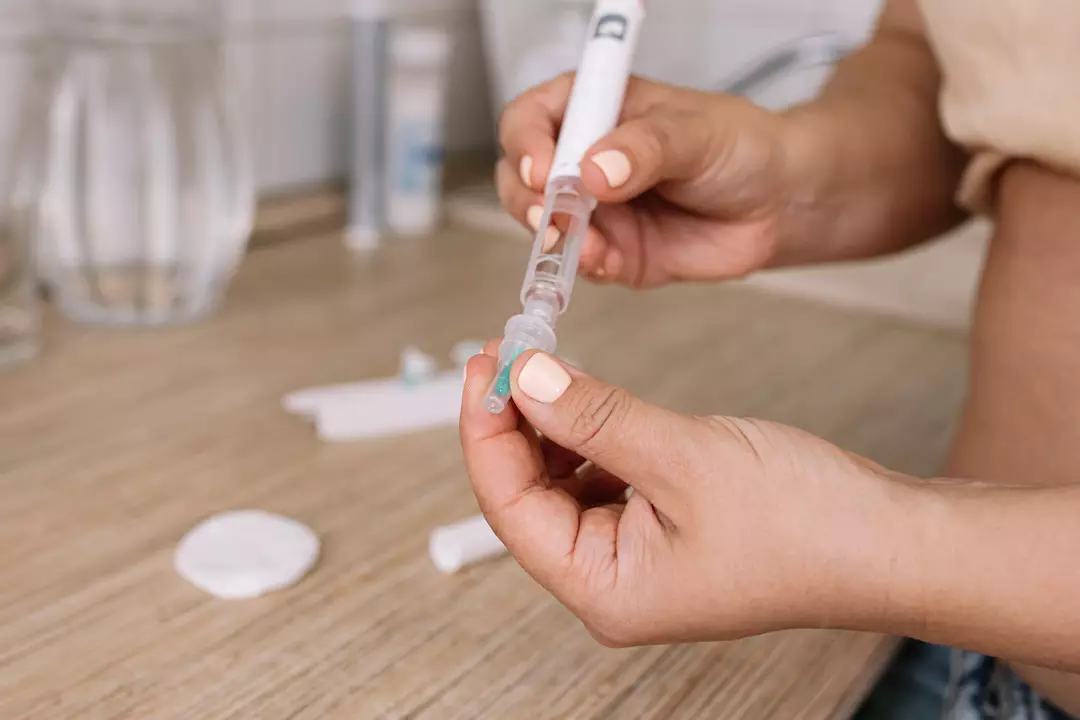
Published in a research letter in The Lancet Diabetes & Endocrinology, the study indicates that around 799 million people globally would qualify for weight loss injections.
This prevalence is particularly high in Europe and North America, where more than two in five adults meet the criteria.
Eligibility was determined based on clinical obesity or being overweight with additional health issues, such as diabetes or hypertension.
Findings showed women are more likely than men to be eligible, and older individuals are more inclined to meet the criteria.
Dr. Jennifer Manne-Goehler of Mass General Brigham, a senior author, stated: “For decades, we told people the problem was simply eating too much and moving too little.

“These medicines show that biology plays a much bigger role than we once thought.”
Recently, experts issued a caution to users of weight loss medications.
A study featured in PLOS Global Public Health highlighted how weight loss drugs are altering daily routines and affecting individuals.
The study’s authors noted: “Across sites, people routinely adjust dosing schedules, count clicks on injection pens, space out injections, or stop and restart treatment.”
“These strategies are developed in response to cost, shortages, and social media, rather than sound medical advice.”
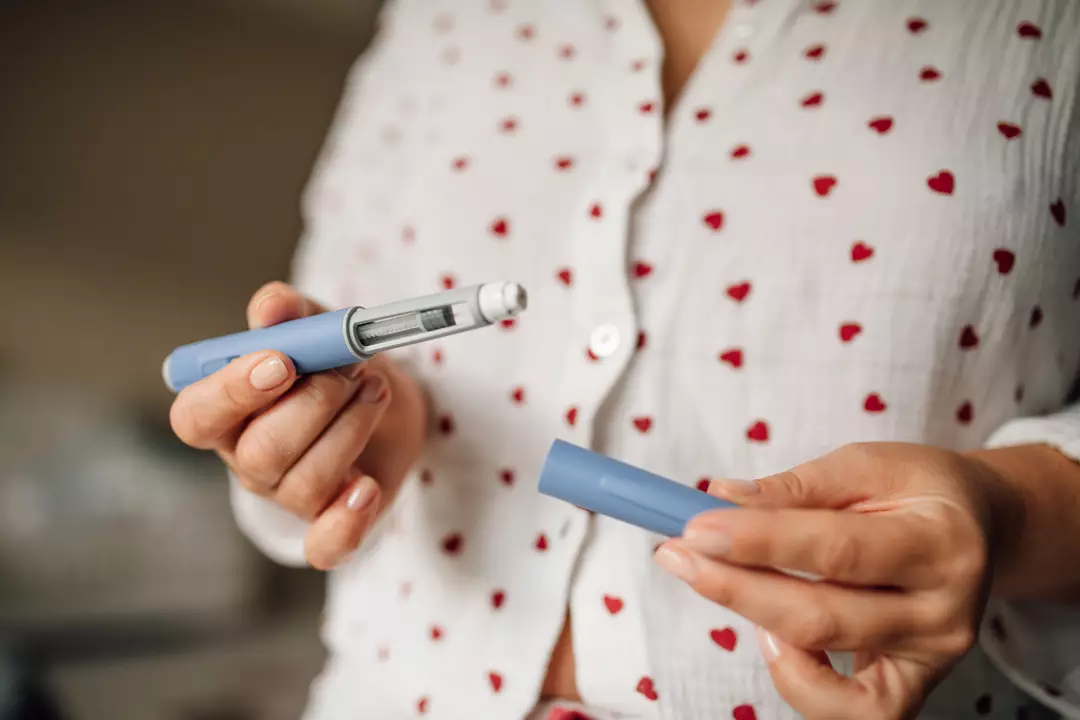
As social media becomes a source of information, experts caution that while it can provide support and advice, there’s a risk of normalizing hazardous practices and spreading false information.
The study further states: “While these factors can give patients a sense of greater control over their health, they also amplify concerns about limited data on off-label use and unsupervised dosing.
“Greater attention to often chaotic real-world use patterns is essential for accurately assessing drug side effects and safety.”