


A physician has shed light on why you might hear a ‘heartbeat’ in your ears and why it might be wise to consult your GP if you’re experiencing this symptom.
It’s not uncommon to experience some ear ringing during your lifetime. This can happen after being exposed to loud music or having someone yell near your ear. These instances are fairly typical.
However, there may be more concerning reasons for these sounds that you should be informed about.
Some people notice a persistent whooshing sound, which could be due to pulsatile tinnitus (PT), a condition affecting three to five million Americans.
According to Tinnitus.org, an individual with tinnitus might perceive “steady ringing, buzzing, hissing, whistling or other noises,” and the sensation “can present all the time or come and go.”
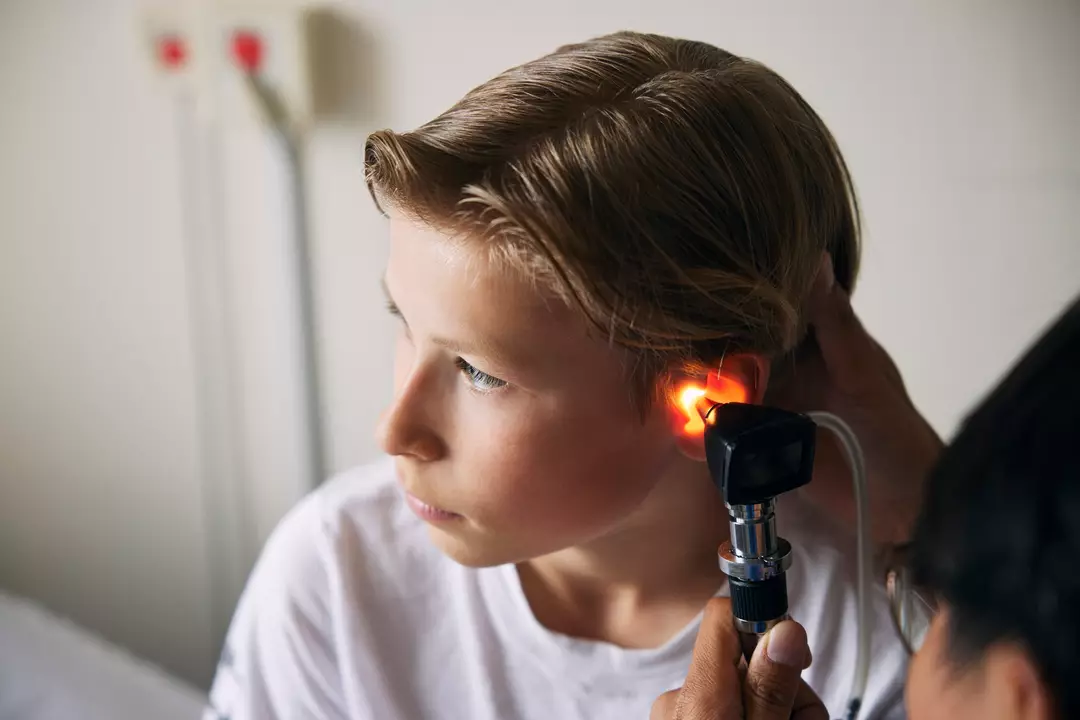
“The volume of the noises heard can vary from one episode to the next,” the site further explains.
Individuals with PT often report that the sound intensifies when their heart rate increases, becoming quieter as the heart circulates blood more slowly.
Dr Ahmed Abd Elbary notes that these symptoms could sometimes indicate something more severe.
Known on TikTok as @Dra_says, he elaborated: “Sometimes, your blood flow can become more turbulent, and the most common causes for this are things like aneurysms and atherosclerosis [the narrowing of the arteries].
“You can also get what is called localised increased blood flow, meaning a specific blood vessel has an increased supply to it. This is most often due to a tumor.”

Before becoming overly concerned, the doctor points out that most tumors associated with PT tend to be benign. Nonetheless, seeing a healthcare professional is recommended for reassurance.
“Most of the time, [these are] benign and nothing to worry about, but it’s definitely something you want to get checked out – especially if it is something new or is getting worse,” Dr Ahmed commented.
He remarked that the pulsing is “usually from a change in blood flow or a change in awareness of the blood flow of the small blood vessels inside your ear.”
Other potential causes include changes in blood flow due to factors such as intense exercise, pregnancy, an overactive thyroid, or anemia.
While PT often resolves on its own, individuals experiencing it are advised to seek medical advice to identify the cause and determine if further investigation is necessary.