

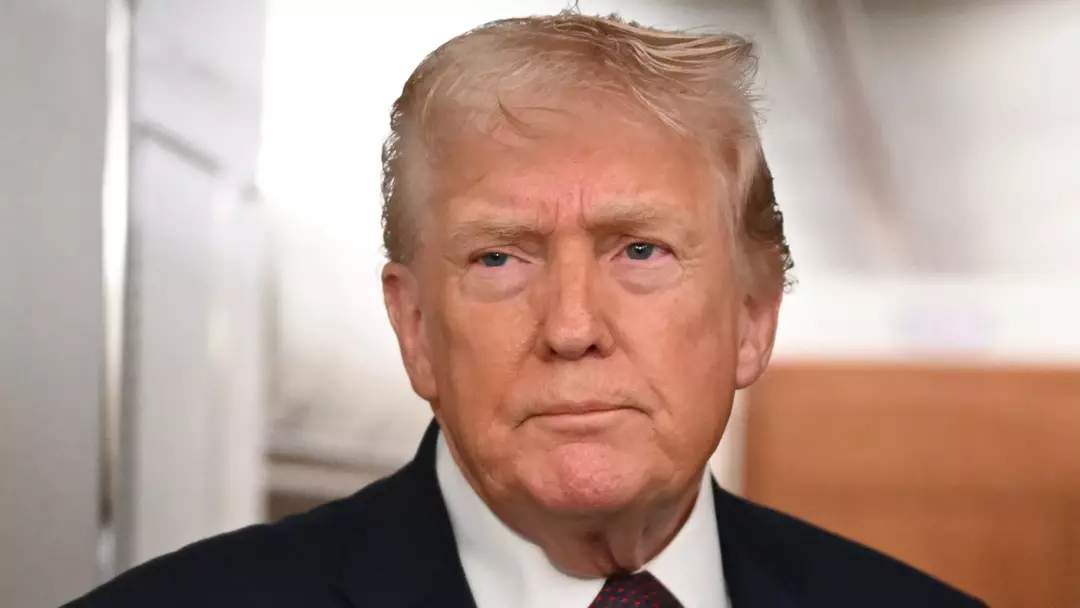
Donald Trump openly expressed his concerns on Monday, stating that the United States would be in a problematic situation if he does not win the upcoming Supreme Court decision regarding tariffs.
The court is expected to decide on a case that will either affirm or deny the president’s power over trade, specifically concerning the broad tariffs he enforced globally last year.
“The actual numbers that we would have to pay back if, for any reason, the Supreme Court were to rule against the United States of America on Tariffs, would be many Hundreds of Billions of Dollars, and that doesn’t include the amount of ‘payback’ that Countries and Companies would require for the Investments they are making on building Plants, Factories, and Equipment, for the purpose of being able to avoid the payment of Tariffs,” Trump stated in an extensive post on Truth Social.
“When these Investments are added we are talking about trillions of dollars! It would be a complete mess, and almost impossible for our Country to pay.”
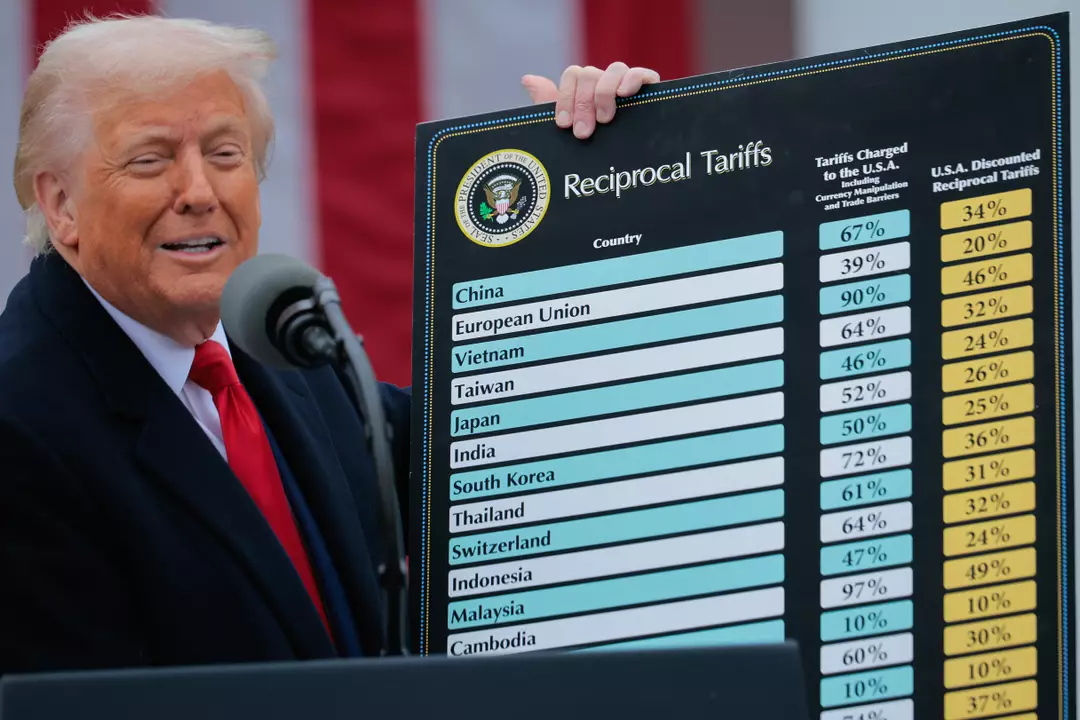
Upon re-entering the Oval Office for his second term, Trump set in place extensive tariffs under the International Emergency Economic Powers Act, a law from 1977 that permits presidents to take economic action in declared national emergencies.
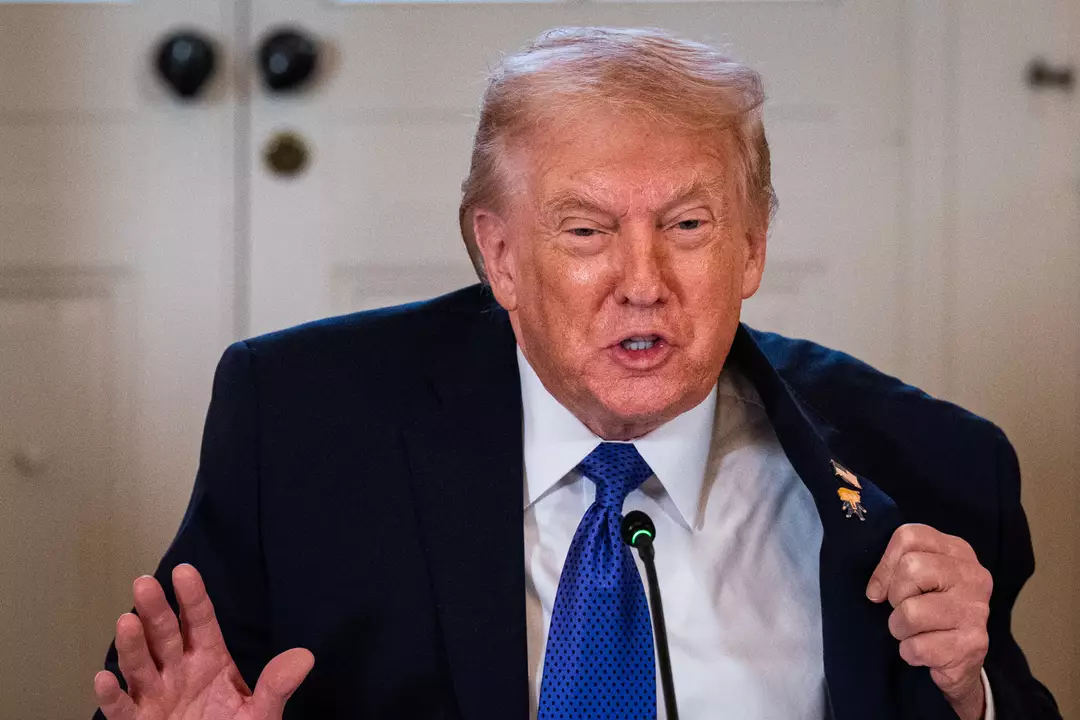
Trump invoked this law after announcing a national emergency due to trade deficits, targeting more than $150 billion in imports from countries including China, India, Canada, and members of the European Union.
The tariffs were promoted as a means to enforce fairer international trade and to incentivize companies to choose domestic manufacturing over importing.
However, the large scale of the tariffs and the political motivations behind them, affecting even small nations, were met with significant criticism.
The move also generated numerous issues for U.S. Consumers and businesses, as well as international partners, due to the complexities it introduced in customs processes and the substantial increase in import costs.
Another major point of contention was Trump’s decision to bypass Congress in implementing this significant policy, which drew criticism across the political spectrum.
Since these tariffs were introduced, more than 1000 lawsuits have been filed against the government, including by some of the nation’s largest importers.
This situation has also ignited a debate about the separation of powers, with concerns over the president’s ability to exercise executive power without checks.
The U.S. Court of International Trade declared the tariffs illegal in May 2025, a decision affirmed by the Federal Circuit in August.
The case was then escalated to the Supreme Court, which was expected to issue a ruling on Friday, but no decision was released.
“Anybody who says that it can be quickly and easily done would be making a false, inaccurate, or totally misunderstood answer to this very large and complex question,” Trump continued, referencing the upcoming decision.
“It may not be possible but, if it were, it would be Dollars that would be so large that it would take many years to figure out what number we are talking about and even, who, when, and where, to pay.
“Remember, when America shines brightly, the World shines brightly. In other words, if the Supreme Court rules against the United States of America on this National Security bonanza, WE’RE SCREWED!”