

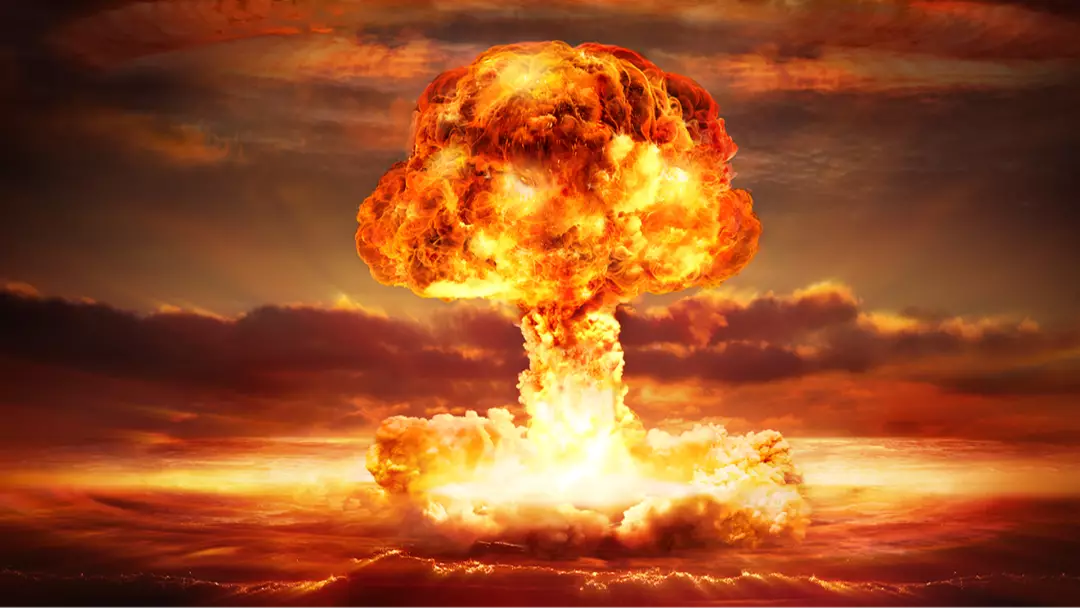
A specialist has shared essential advice on social media for surviving a catastrophic event, such as a nuclear explosion during World War 3.
With the looming fear of World War 3, it often feels like we’re perpetually on the edge, just a bad day away from a catastrophic event.
Yet, there are individuals who take pride in their ability to prepare for the worst natural disasters and apocalyptic scenarios on a personal level.
That individual with a doomsday bunker may actually have valuable knowledge about surviving dire situations.
Fortunately, a person esteemed within the ‘preparedness community’ has used TikTok to provide users with survival tips for a nuclear explosion.
Derrick, known as prepperpress on TikTok, created a video outlining five crucial steps for surviving a nuclear detonation.
He specified that his guidance pertains to 300-800 kiloton nuclear weapons, which are common yields for modern intercontinental ballistic missiles (ICBMs).
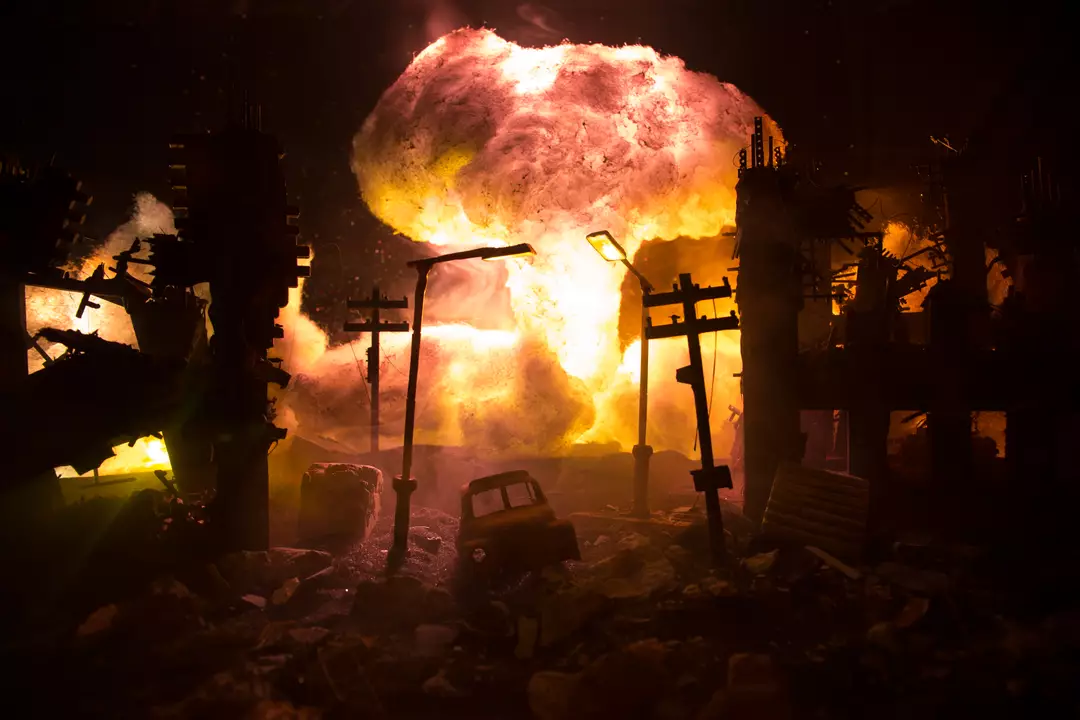
Regarding the dropping of nuclear weapons, Derrick points out that there won’t be much warning beforehand.
Thus, it’s advisable to take measures to reduce possible harm.
He advised: “Hit the ground, face down, feet towards the blast, cover your head.
“Keep your mouth open to prevent your lungs from bursting due to the pressure wave and avoid looking at the flash.”
Surviving outside the immediate blast zone still presents dangers.
If located within a mile of the explosion, Derrick warns of a high chance of instant death or the resulting devastation.
Beyond three miles, building collapses and shrapnel from glass are likely, but survival is possible if you’re indoors or underground.
The ‘professional prepper’ stressed: “You must act swiftly to avoid radiation.
“At 10 miles away, fallout is still a risk, with 10 to 30 minutes before radioactive dust starts descending.”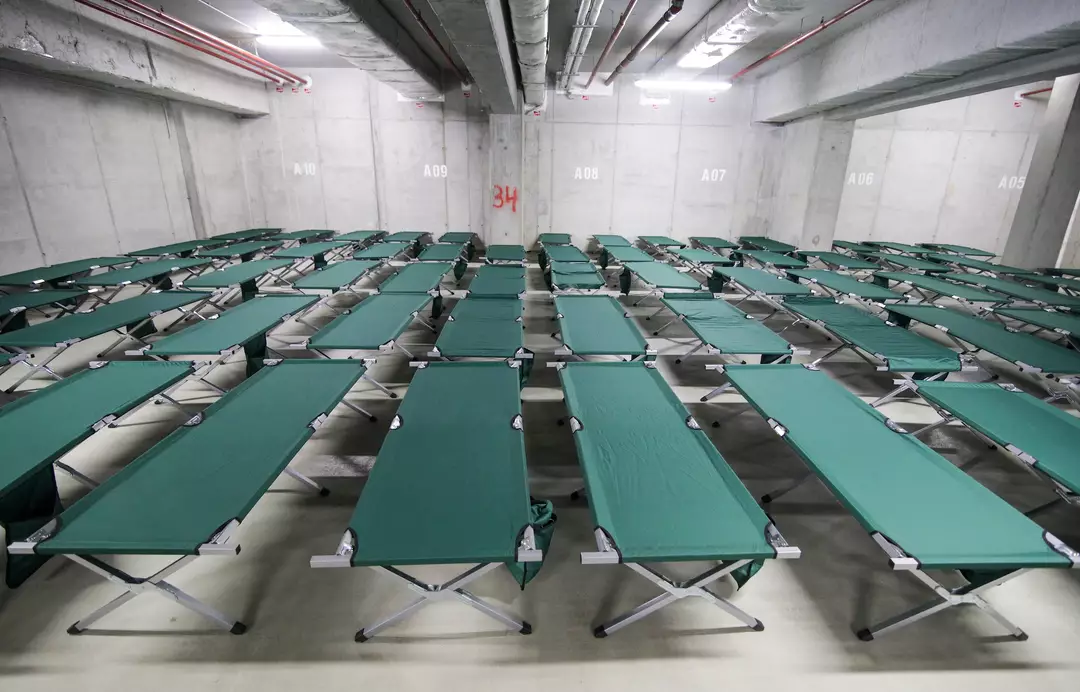
Derrick emphasized the importance of seeking indoor shelter quickly for safety.
Even if everything seems fine outside, proximity to the blast can mean increased radiation exposure.
He advised: “Get indoors quickly, preferably a basement, subway, or fallout shelter.
“If unavailable, find a brick or concrete building and stay in its center.
“Avoid windows and doorways.”
Outside air becomes perilous in these circumstances.
After the initial explosion, if you find shelter, more precautions are necessary.
Derrick noted the critical nature of the first 24 hours, with extended outdoor unsafety likely.
He advised: “If you’ve survived this far, stay sheltered, ideally for 72 hours.
“Avoid going outside; trying to be a hero can be fatal. Seal windows and doors, cutting off outside airflow to prevent radioactive fallout invasion.”
“Hopefully, a radio is available to receive government updates on when outdoor safety resumes, provided an intact government remains and no further nuclear strikes occur.”
Sheltering in place is best, but prolonged periods in chaos may be impractical.
In the aftermath, venturing outside may become necessary, and Derrick shared safe methods for doing so.
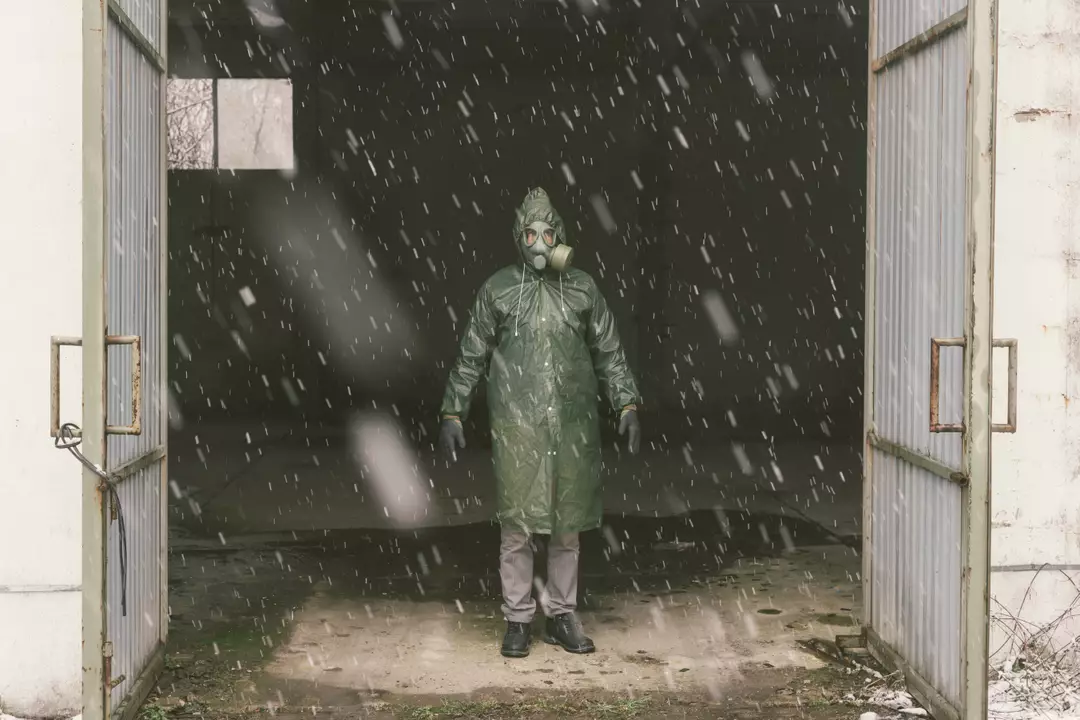
He advised: “Should you need to leave, cover your mouth with a mask or cloth, wear goggles and gloves, and cover exposed skin.
“Move perpendicular to the wind to minimize fallout exposure.
“Once back under shelter, remove clothes, bag them, and dispose of them outside.
“Shower but avoid conditioner, as it binds radioactive particles to hair.”
Derrick concluded by expressing hope for sufficient shelter supplies and calm inhabitants.
So, good fortune in navigating the apocalypse and successful scavenging.