

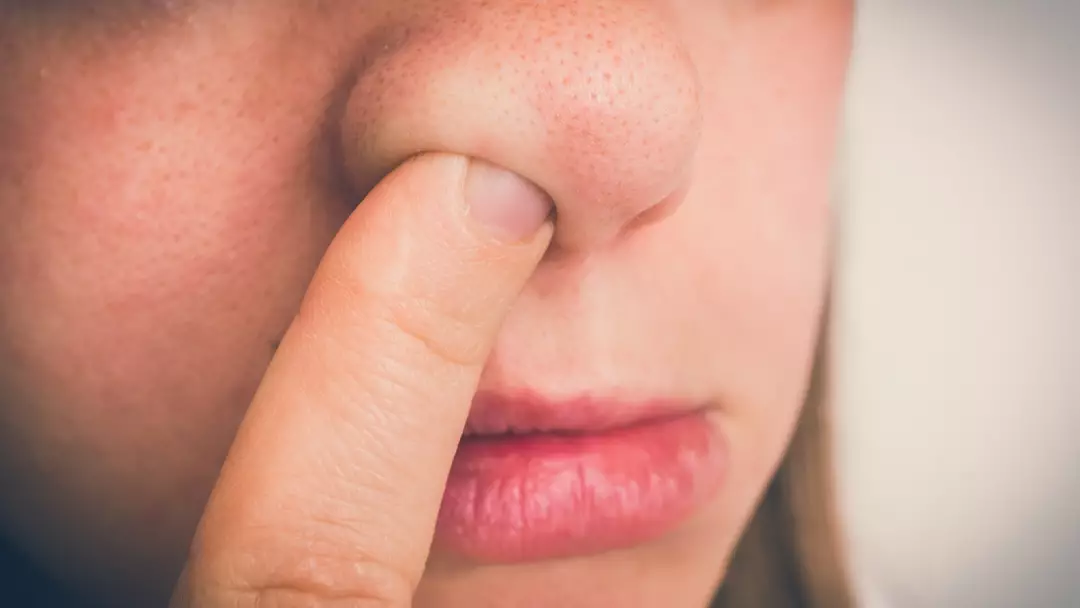
While nose-picking may offer a quick sense of relief, this habit could have long-term consequences.
As children, many of us have been advised by our mothers to avoid picking our noses, primarily because it’s considered unhygienic. However, there appears to be a more significant reason to refrain from the habit.
Though it’s something everyone does, most prefer to do it in private. Yet, we’ve all witnessed someone unabashedly excavating their nostrils in public spaces like on a train.
Engaging in nose-picking can lead to the activation of chlamydia pneumoniae. According to the Centers for Disease Control and Prevention (CDC), this is “a type of bacteria that can cause respiratory tract infections.”
“The bacteria cause illness by damaging the lining of the respiratory tract, including the throat, windpipe, and lungs,” the CDC notes.
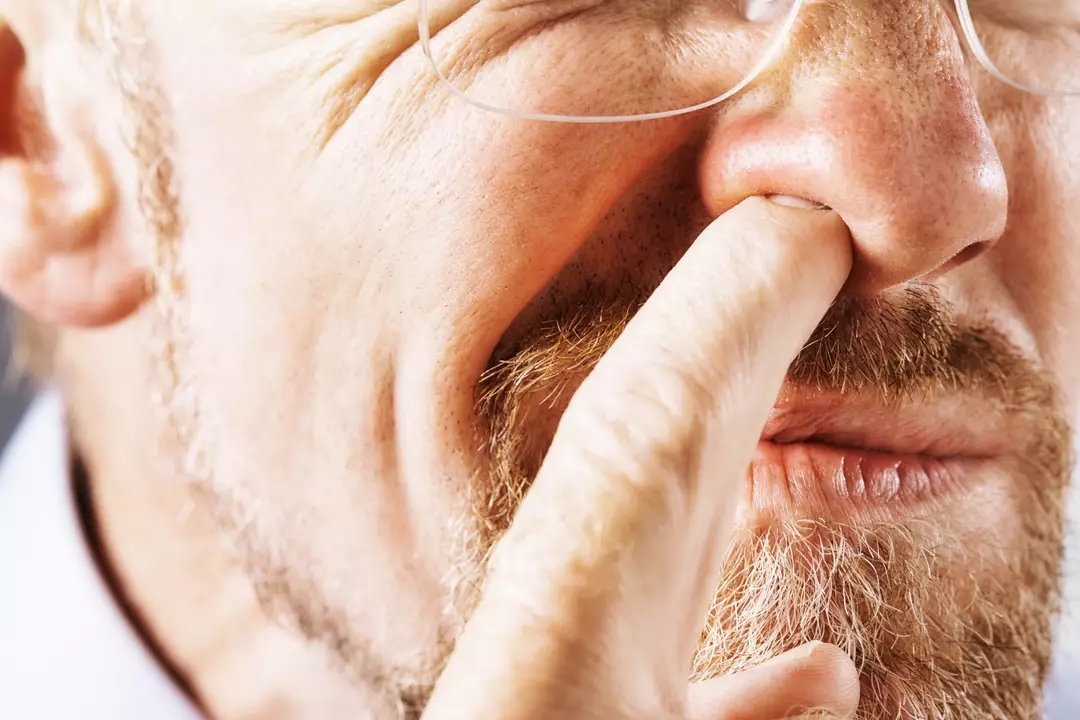
This particular bacterium is known to cause infections in the ear, sinus, and throat. More severely, it can lead to conditions such as bronchitis, laryngitis, and pneumonia, as cautioned by the CDC.
What is even more concerning is the potential link between chlamydia pneumoniae and Alzheimer’s disease, as suggested by recent research.
In 2022, a study conducted by Griffith University in Australia explored this connection using mice as subjects.
The study discovered that nose-picking allows chlamydia pneumoniae to migrate into the olfactory nerve of mice, which then makes its way to the brain.
Upon reaching the brain, certain bacteria can trigger the formation of amyloid beta protein deposits, potentially leading to Alzheimer’s disease.
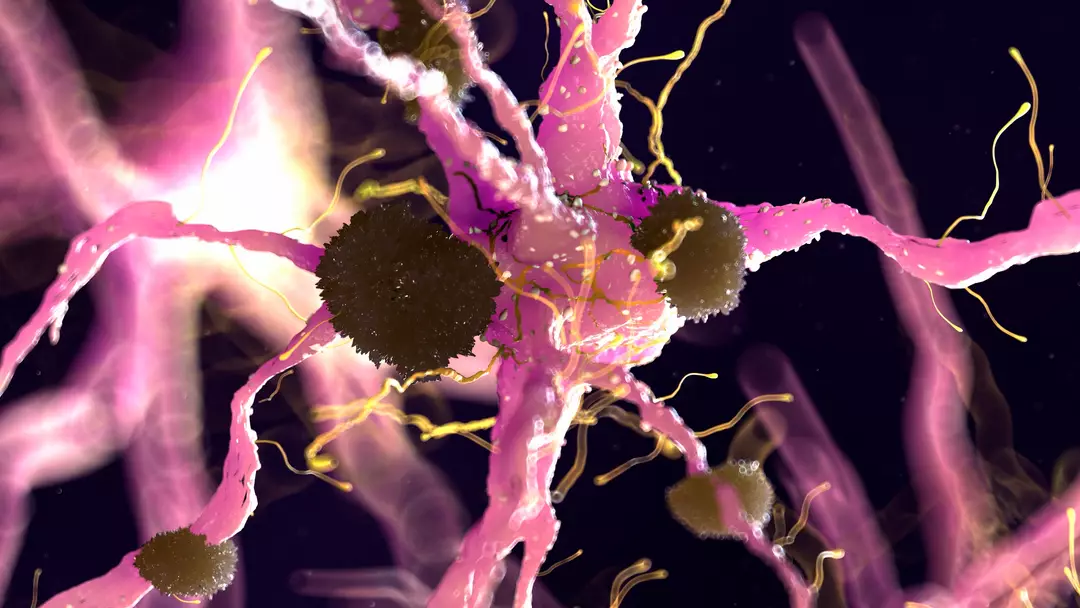
Amyloid beta is implicated in the formation of brain plaques, believed to be a key factor in the symptoms associated with Alzheimer’s disease, which include memory loss, language difficulties, and erratic behavior.
Neuroscientist James St John commented on the research findings when they were published (via the outlet), stating: “We’re the first to show that Chlamydia pneumoniae can go directly up the nose and into the brain, where it can set off pathologies that look like Alzheimer’s disease.
“We saw this happen in a mouse model, and the evidence is potentially scary for humans as well.”
However, this isn’t something that happens overnight, as St John elaborated to Medical News Today: “We also think that it might be a long, slow process. So we don’t think that getting the bacteria in the brain means that you will get dementia next week.
“Instead, we think the bacteria set off a slow progression of pathologies that may take decades before resulting in symptoms.”
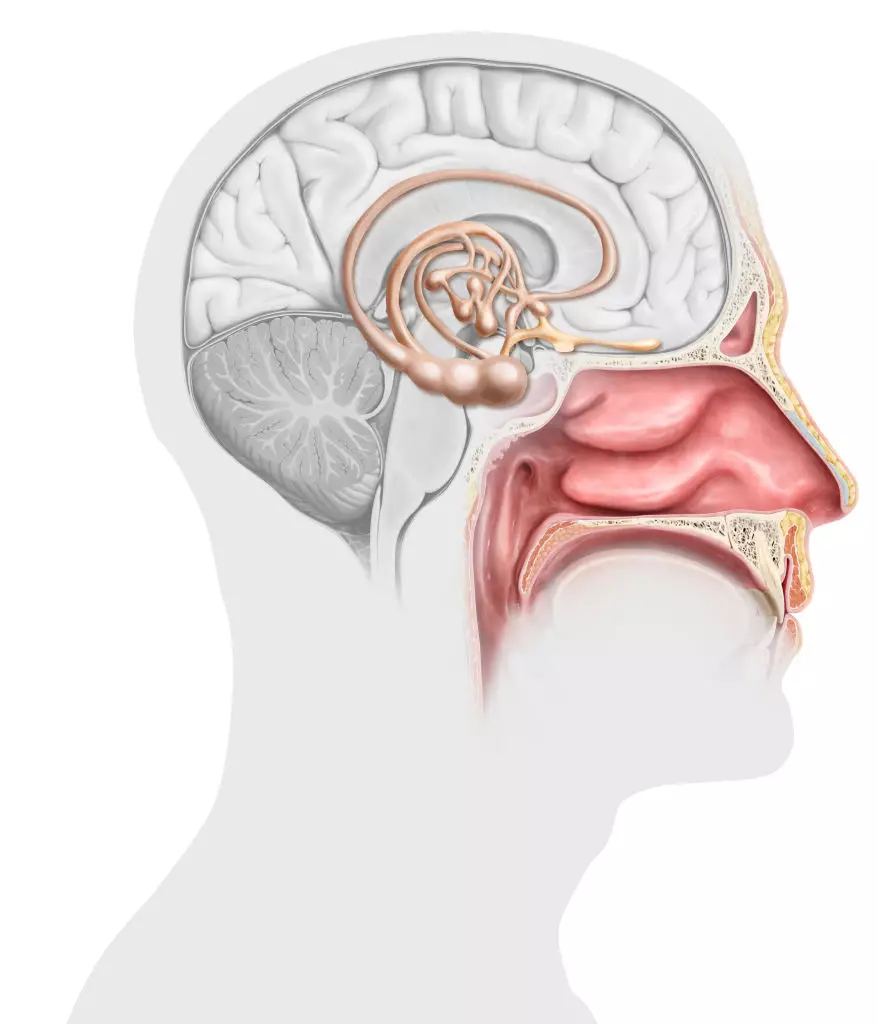
A narrative review published in the National Library of Medicine in 2023 supported the theory that neuroinflammation in Alzheimer’s disease might be partially induced by pathogens entering the brain through the olfactory system, often due to nose-picking.
The researchers concluded: “Understanding the potential role of olfactory pathogen entry in AD-associated neuroinflammation opens up new avenues for prevention.
“Among all the entry routes, the improvement of hand hygiene might be an easy prevention step, as learned from the COVID-19 epidemic.
“One of the lessons learned from COVID-19 is the value of hand hygiene through frequent hand washing and the use of hand sanitizers, and we suggest these routine hygienic procedures be mandatory routine procedures for the incurable nose-picker.”