

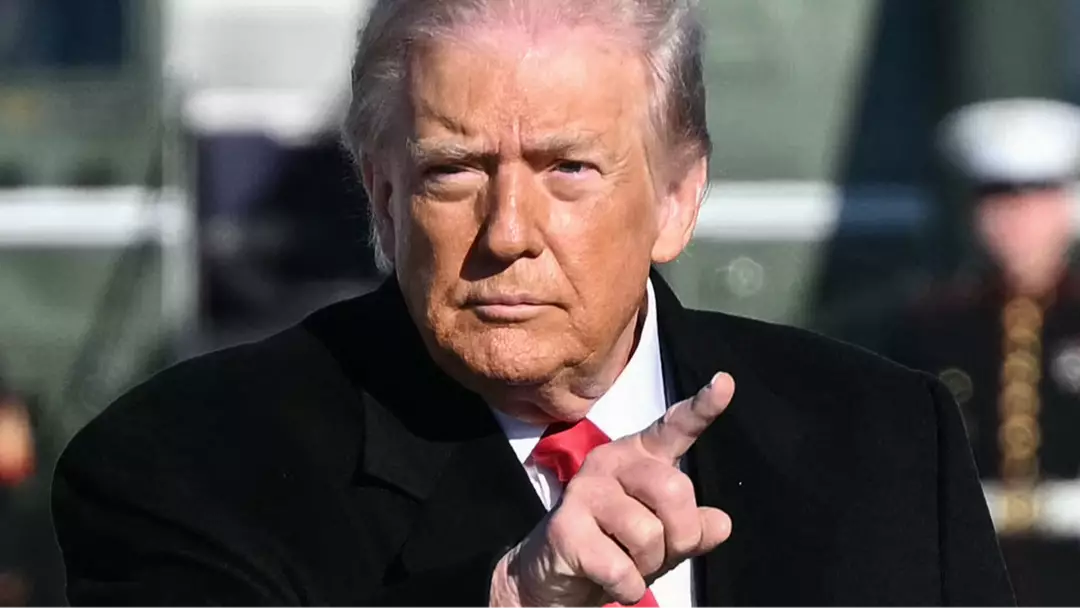
Donald Trump has issued a warning suggesting the potential use of the Insurrection Act of 1807 in Minnesota following the tragic events surrounding Renee Nicole Good’s death and the subsequent protests occurring in the area.
Renee Nicole Good, a 37-year-old mother of three, was shot and killed by an ICE agent in Minneapolis on January 7.
The Trump administration has labeled Good as a ‘domestic terrorist,’ alleging she attempted to attack agent Jonathan Ross. However, video evidence seems to counter this claim, showing Good trying to flee the scene when Ross fired at her three times.
Protests have persisted in Minneapolis, fueled by another incident where a woman was reportedly taken away by an ICE agent near the site of Good’s killing, prompting concerns over ICE’s role in the city.
In light of these events, President Trump has hinted at the possibility of implementing the Insurrection Act of 1807.
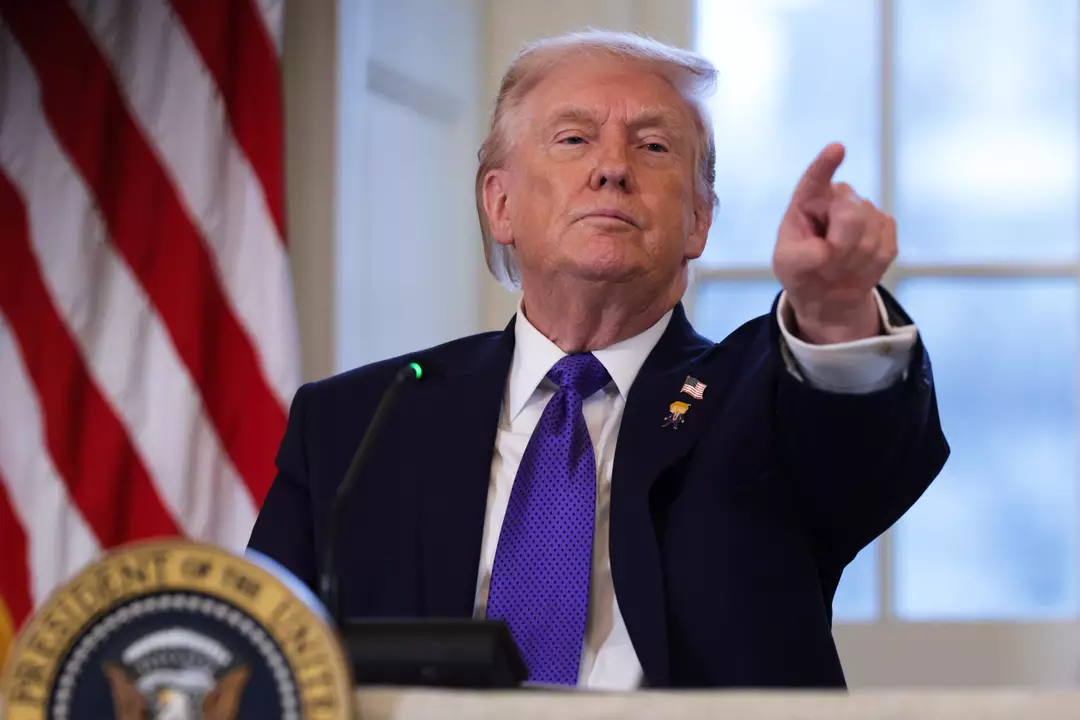
In a statement on Truth Social, Trump accused Minnesota politicians of corruption and threatened action: “If the corrupt politicians of Minnesota don’t obey the law and stop the professional agitators and insurrectionists from attacking the Patriots of I.C.E., who are only trying to do their job, I will institute the INSURRECTION ACT, which many presidents have done before me, and quickly put an end to the travesty that is taking place in that once great State.”
The Insurrection Act allows the President to mobilize troops when ‘unlawful obstructions, combinations, or assemblages, or rebellion’ against the government make it impossible to enforce the law through regular judicial means, as reported.
If enacted, this could lead to deploying troops for various roles, such as managing civil unrest or enforcing court directives related to detaining migrants.
Historically, the act empowered President Dwight Eisenhower to protect Black students in Little Rock, Arkansas in 1957 during school desegregation and was used in 1992 by George H.W. Bush to address the Los Angeles riots following the Rodney King trial.
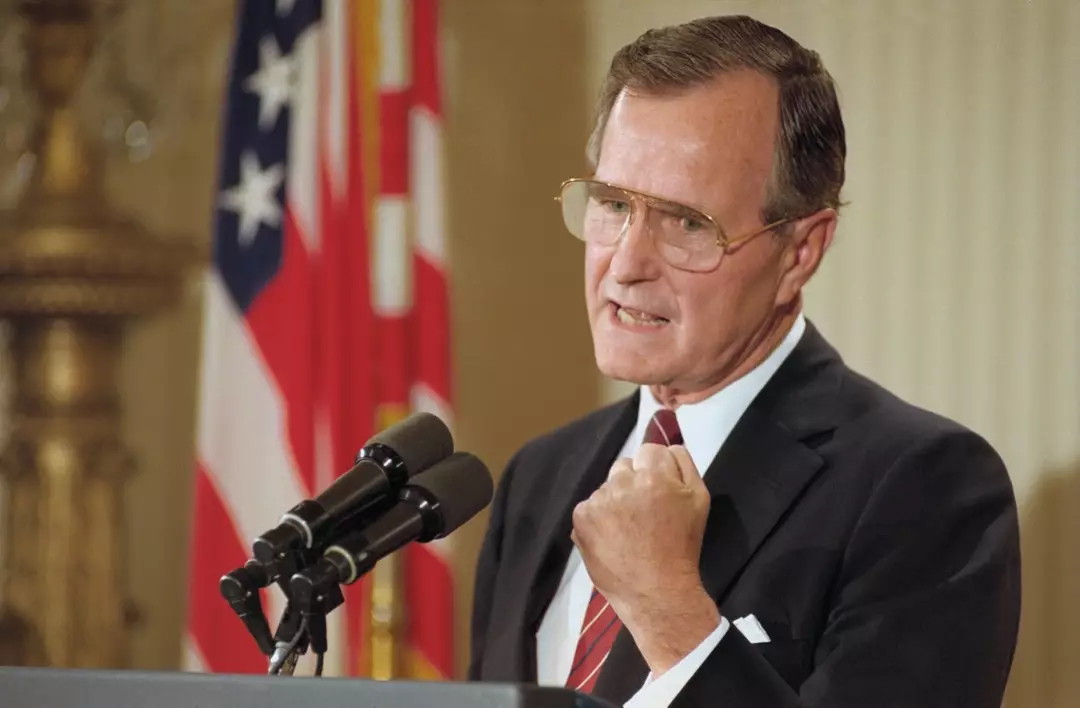
This isn’t the first instance of Trump considering the use of the Insurrection Act, having previously referenced it in June and October of the previous year.
While technically feasible, invoking the act is complex. Courts typically hesitate to contest presidential military orders, but this doesn’t preclude the act from being challenged.
Judge Karin J. Immergut from Oregon noted that substantial deference to the President does not negate the need to consider the ‘facts on the ground’.
A legal expert has also indicated to the Guardian that using the act could be precarious, as it might involve troops in activities typically beyond their normal scope.