

Significant changes to the Transportation Security Administration (TSA) travel guidelines are set to take place next month, and travelers should be aware of one crucial update.
The revisions are a result of a previous announcement indicating that travelers without a passport or a valid form of REAL ID (such as a driver’s license or ID card that complies with enhanced federal security standards) will be required to pay a $45 fee to proceed through airport security.
These new regulations will be effective starting February 1. However, the TSA has recently clarified that not all payment methods will be accepted for the fee, which could catch travelers off guard if they are unprepared.
According to the updated rules, cash payments will be disallowed, so travelers must use bank accounts, credit or debit cards, Venmo, or PayPal to pay the fee.
This fee is intended to cover the costs associated with the TSA’s alternative identity verification system, known as Confirm.ID.
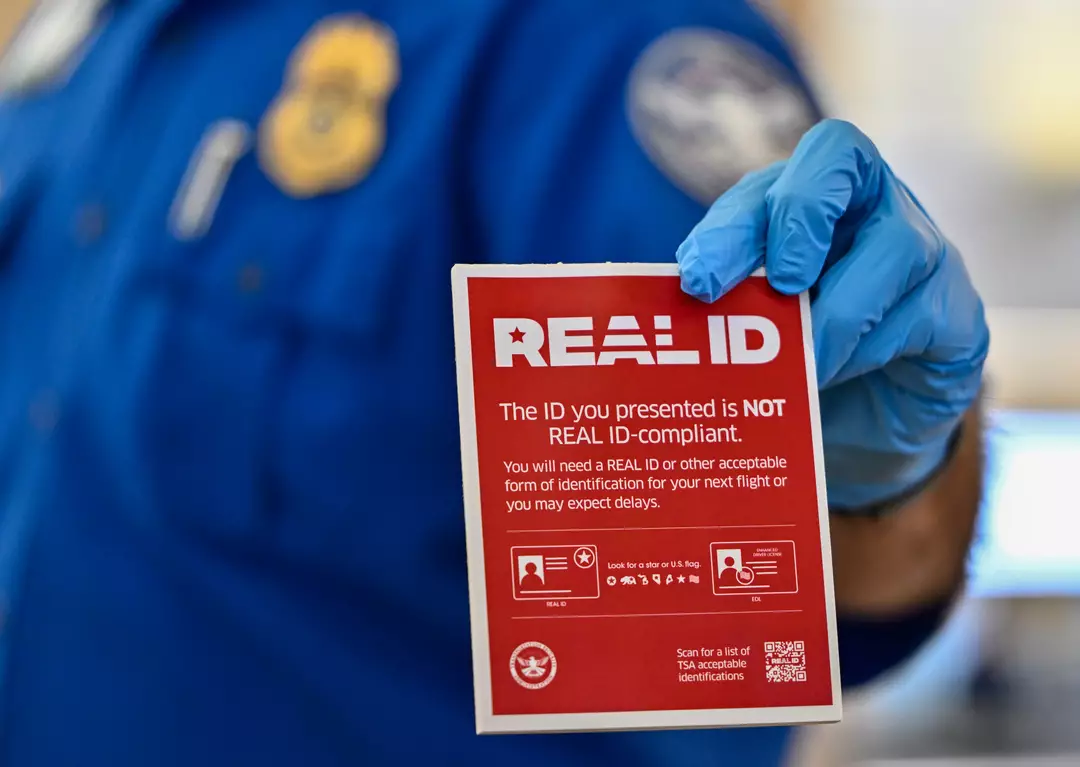
The $45 fee grants access to airport security for up to 10 days. However, if your journey extends beyond this period and you still lack an acceptable form of identification, you’ll need to pay the fee again for your return trip.
Travelers might also experience longer waiting times due to the additional requirements for manually verifying identity, potentially leading to delays of up to 30 minutes before being allowed into the security line.
Currently, approximately 94% of the US population possess valid ID for travel, though there are still around 20 million individuals who may be impacted by these changes. It is advisable for passengers to verify their ID in advance to ensure it has the necessary security features, identifiable by a star. Alternatively, they can visit their local government office or DMV to update their ID.

Acceptable forms of identification include:
· Real ID
· State-issued Enhanced Driver’s License (EDL) or Enhanced ID (EID)
· U.S. Passport
· U.S. Passport card
· DHS trusted traveler cards (Global Entry, NEXUS, SENTRI, FAST)
· U.S. Department of Defense ID, including IDs issued to dependents
· Permanent resident card
· Border crossing card
· An acceptable photo ID issued by a federally recognized Tribal Nation/Indian Tribe, including Enhanced Tribal Cards (ETCs)
· HSPD-12 PIV card
· Foreign government-issued passport
· Canadian provincial driver’s license or Indian and Northern Affairs Canada card
· Transportation Worker Identification Credential (TWIC)
· U.S. Citizenship and Immigration Services Employment Authorization Card (I-766)
· U.S. Merchant Mariner Credential
· Veteran Health Identification Card (VHIC)